Interesting houses, replaced with generic polyhedrons
A couple of houses in West Yorkshire have been submitted for demolition:
This piece of unique form on Town Gate, Mirfield:
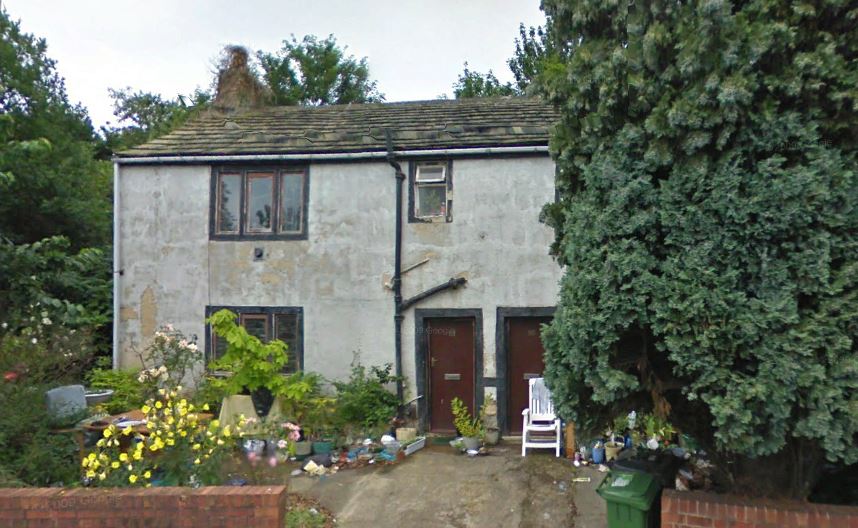
Town Gate suggests something of a historic thoroughfare in Mirfield. The town is almost bereft of its heritage these days. Sad to see such buildings go.
This building in Castleford has me perplexed. I’ve never seen anything like it. Any ideas as to the date or style please let me know. Its certainly not Victorian heritage but worthy of retaining
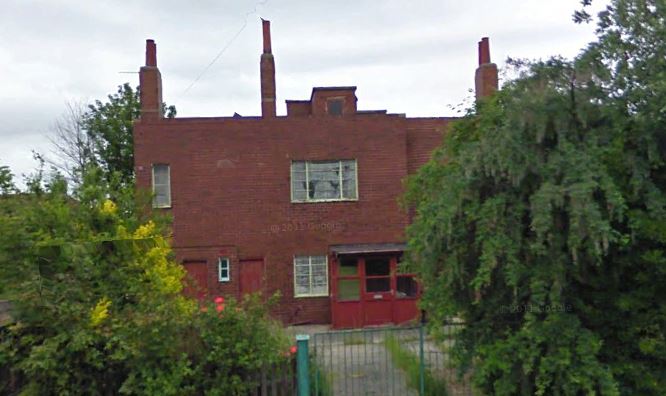 :
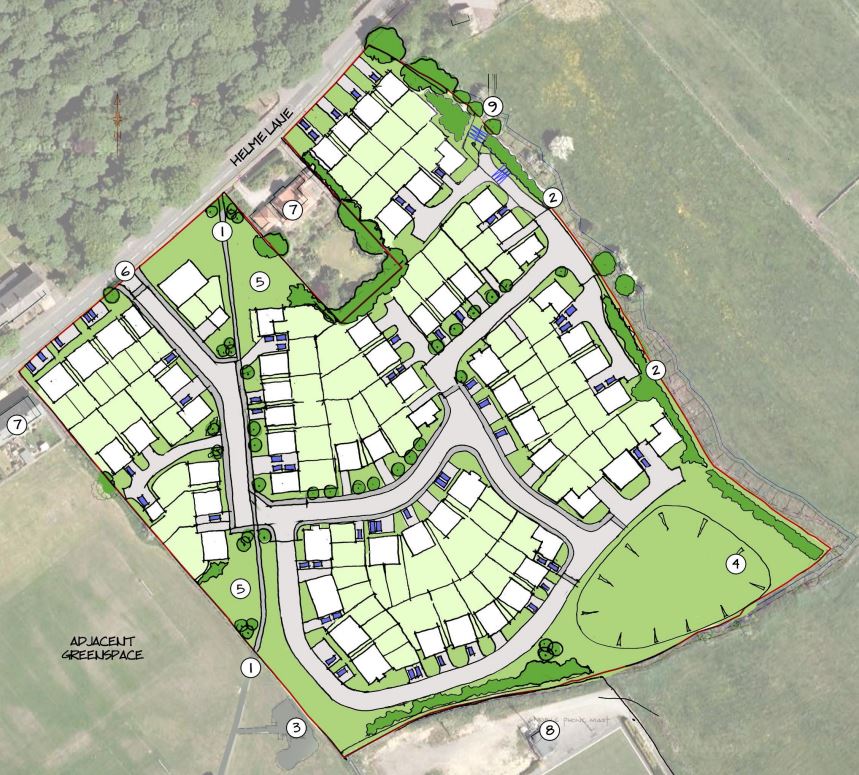
200 houses in Dewsbury
The town of Dewsbury barely has a high street anymore. A beautiful industrial town is still somewhat visible beneath bookmakers and takeaways. he centre of Dewsbury desperately needs to be repopulated by both people and money. Why then would anyone allow for 200 houses to be built on greenfields away from the centre, next to a pristine A-road that is the fastest route out of town?
http://www2.kirklees.gov.uk/business/planning/application_search/detail.aspx?id=2014%2f90780
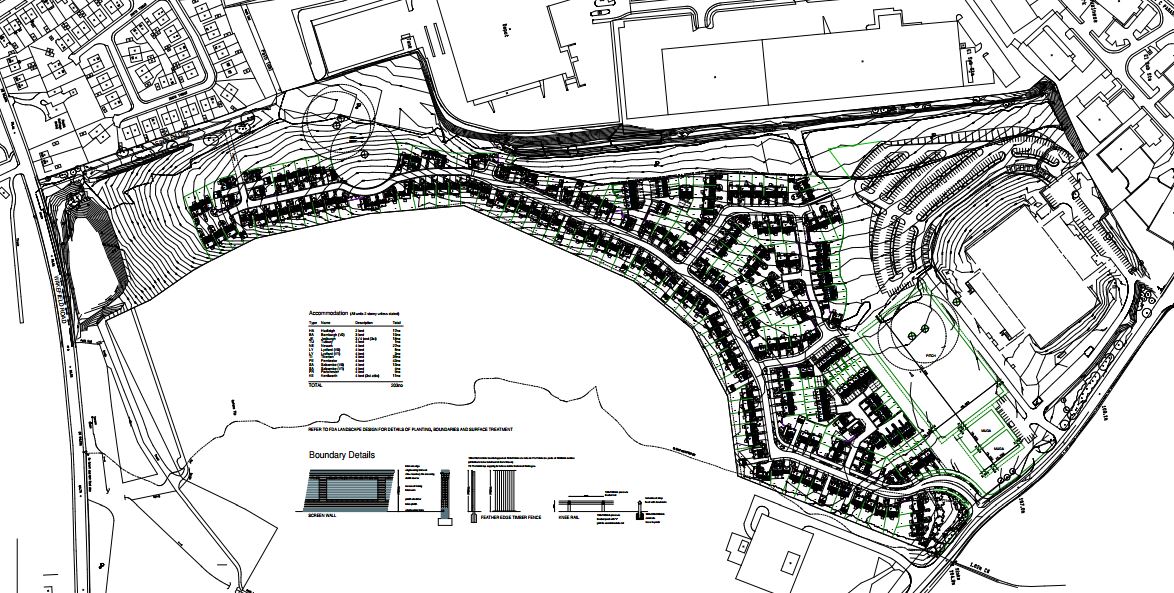
Its just houses, lots of houses, not a place, and doesn’t acknowledge Dewsbury. Just houses and targets and spreadsheets and yields.
Not an urban culture, and not a rural culture. Middle England likes to sit on the fence, assuming to reap the best of both, yet commits to neither, resulting in dependence on Netflix for culture.
700 house village simulation
Permission for 700 houses to be built onto Scholes village to the north east of Leeds is being saught here:
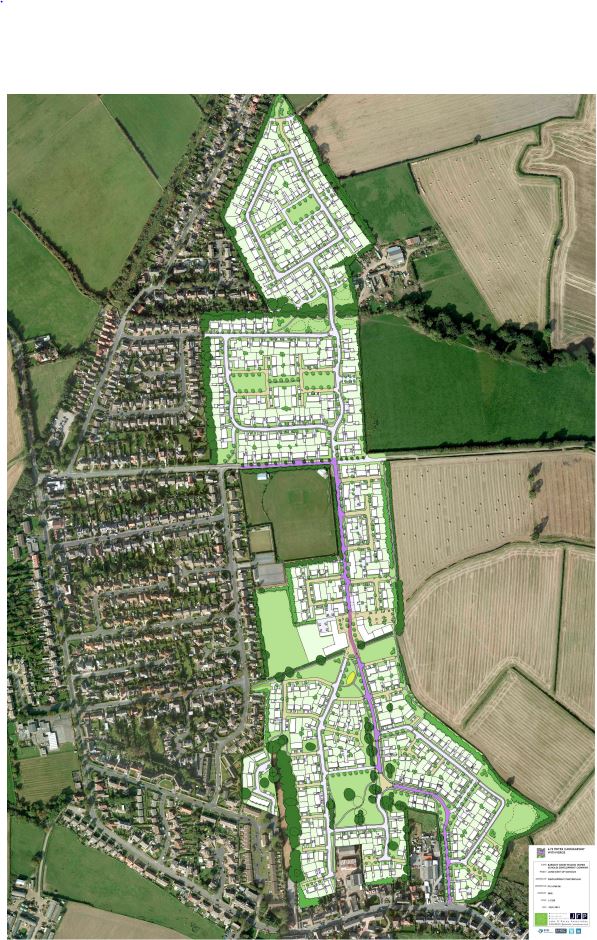
This is really pushing the envelope of the commuter radius into Leeds city center. 700 houses, at least 700 cars, 2 journeys per day as a minimum. The argument against permission on ecological grounds alone is enough. Scholes already being a suburb of itself sets a precedent, meaning permission will almost certainly be granted. This will in turn set a precedent for any other developer who wishes to lay waste to some farm land in the Leeds hinterland at this outlying radius. When all the farmland is gone, we will move further into the countryside, justified by ‘housing shortage’. It is a ruinous cycle.
700 dwellings could do amazing things to the business and society of urban Leeds. What a wasted opportunity.
Another pub to be levelled
This blog is fast becoming a list of public houses that are threatened with demolition. I can’t help but think that those who apply for demolition of these proprties are probably the same people who extoll the importance of the local as a forum for a community. When its another community though, who cares???
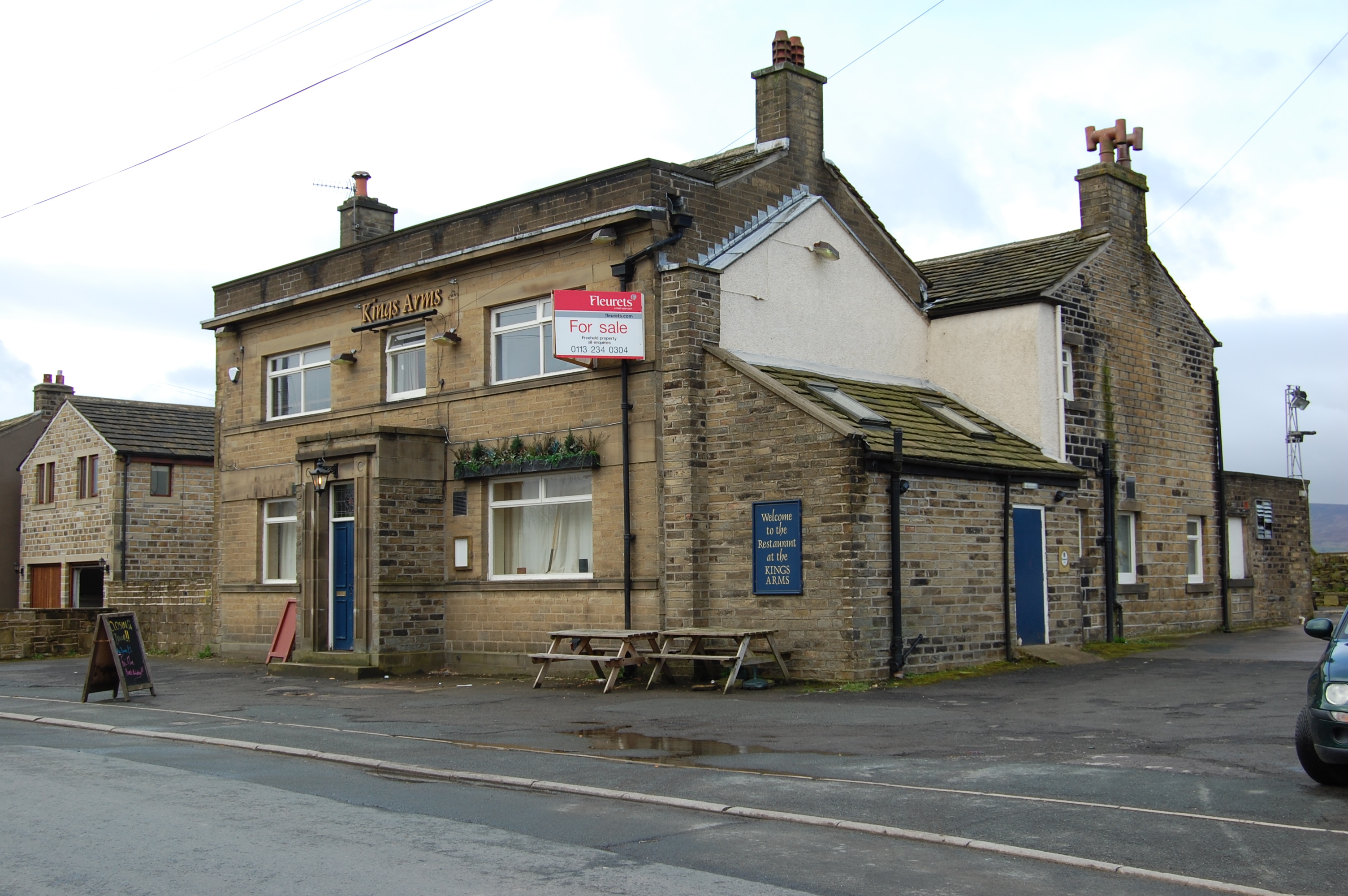
So a pub in this area is no longer viable, this we have to accept, but lets not destroy the building, negating a pub being reinstated in South Crossland. Why not use the property for commercial purposes or flats, and then squeeze in a couple of mews dwelling next door. This would improve the street frontage, retain the pub and fill your pockets with silver Mr Builder!
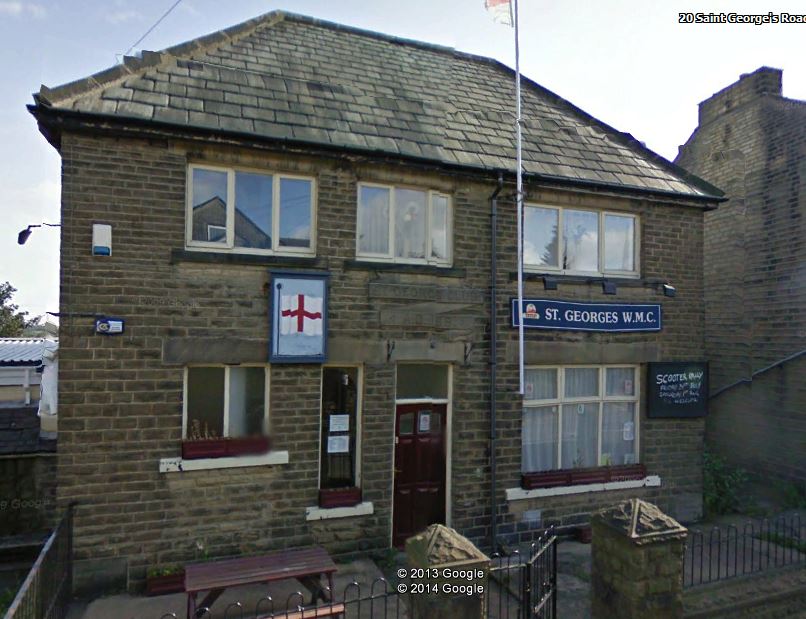
Certainly embodies something of the colliery culture of West Yorkshire, and im sure will be missed by the people of Scholes.
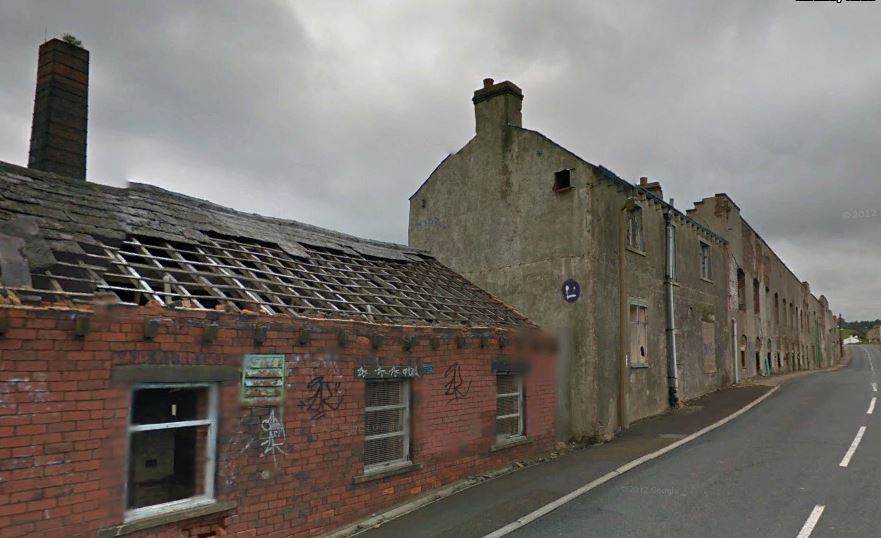
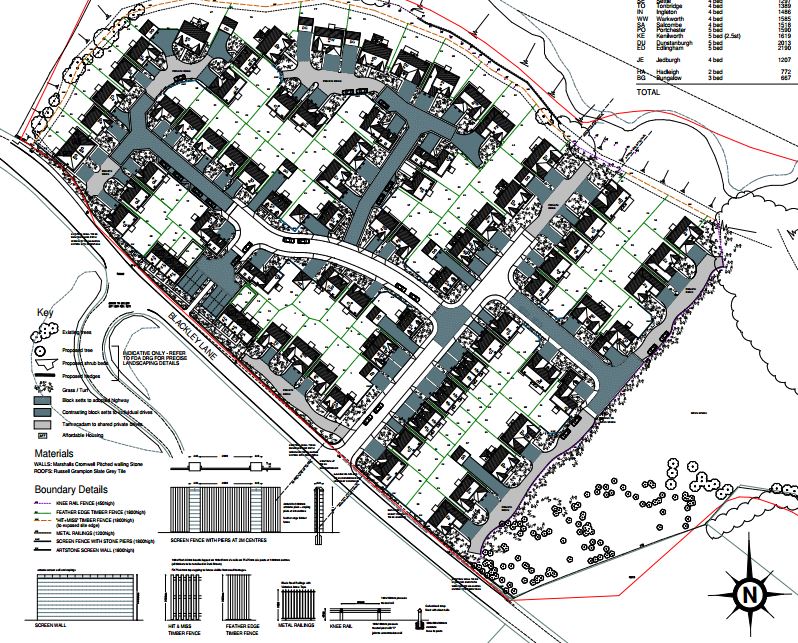
The Old Brick Works at Blackley Hill, Elland has been disused or a while and is set for demolition to be replaced by 80 dwellings. Classic suburbanisation. No proision of public transport, and as such we can assume there will be at least 50 return car journeys to Leeds/Bradford/Huddersfield each day.
 And to look at the plans, you might well think this is Californian dessert. Very uninspiring placemaking. Functional building, with the only utility considered being privacy.
Farmhouse in Norland, Calderdale
Quite surprised to see two applications in the Ryburn Valley of West Halifax that entail demolishing robust farm buildings:

You can see that losing this building (bottom right) will damage the streetscape in this hamlet.


More of the same
Three applications to demolish historic buildings in West Yorkshire this week.
Horsforth:

Interesting Victorian quasi-manor house, possibly relating to the railway that passes nearby. The location of this building is very strange, and even stranger, the use of the place as an Italian restaurant. Shame that it will be lost.
Rastrick:

Middle building is to go. Not an especially important building, but theres no need to knock it down really.
Weatherby:

Quaint corner building in this historic market town to make way for a shop.
Also, although not my patch, Mapplewell in Barnsley will be losing this gem of a public house:

This weeks demolitions
January is here, and with it as a new year of demolition. Warehouses, factories, pubs, cottages, churches – none are safe. We have a housing crisis. We have an environmental crisis. So we knock down robust esoteric buildings. Things are not adding up.
Two entries in the west Yorkshire demolition list from this week, both in Kirklees:
Application to demolish (most of) the Rose and Crown pub in Almonbury:
http://www2.kirklees.gov.uk/business/planning/application_search/detail.aspx?id=2014%2f90001

The new portion of the building is to be retained, whilst the older left hand mass will be lost. I understand a developer wanting to utilise the huge car park on this site, but surely it is self evident that value will be added to his property if the character of the victorian pub is fully retained. Page one of the manual.
And I’ve not even touched upon the travesty offlattening an old pub. It is literally one every month in West Yorkshire. Disgraceful.
Secondly, and old cottage off Drub lane in Cleckheaton is to be felled.
http://www2.kirklees.gov.uk/business/planning/application_search/detail.aspx?id=2013/94064
A very dainty building that adds a great deal to the building cluster next to the social club. It may seem insignificant, but bit by bit we are losing our historic fabric.
Why not imagine bulldozers don’t exist?

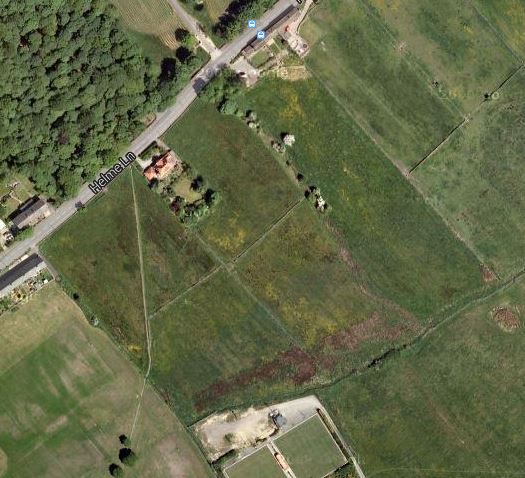
An urban extension has been proposed to the village of Scisset in Kirklees, which would see significant green space built upon, and the demolition of this farm:
Yes, we need houses, and yes we need to revive the construction industry, but should we be enumerating the commuter contingent that fills the route to Leeds to capacity each day? Rather than 200 residences covering the footprint of an entire farm, why not build denser housing nearer to Leeds, regenerating the industrial South Leeds fringe and saving on endless carbon emissions? I fear that because Scissett = Villiage + major A-Road, it is for a developer a much simpler market in which to sell his wares.
And why does the architect ignore the existing layout of tracks and boundary walls? Good urban design does not decimate all that is, but organically builds upon existing components. If you must build endless housing in this tiny village, why not adopt some principles of sympathetic design. Why not imagine that bulldozers do not exist.

