Last of the commercial high street, Spring Vale
The former butchers shop on the high street of Spring Vale is to be demolished, along with the neighbouring commercial buildings. The planning statement gives us the reason that ‘current local market conditions will not support the reinstatement of the butchers shop’. But why limit our imagination to a purveyor of meat? I’m no shopkeeper, but high street commercial property is quite flexible. You could sell almost anything from this shop. Aren’t we trying to encourage small commercial centres that complement the larger hubs nearby?
Nope, knock it down, build some houses quickly and advertise them as being close to the M1.
4 townhouses – Spring Vale, Penistone
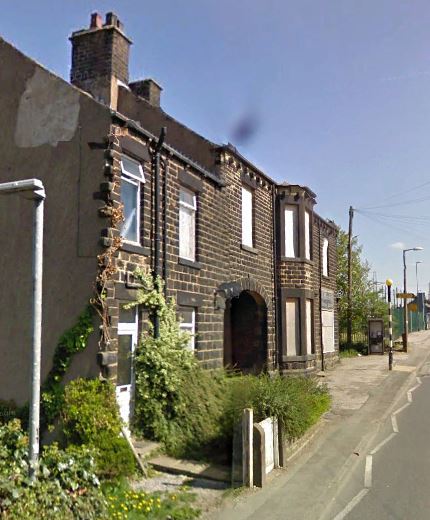
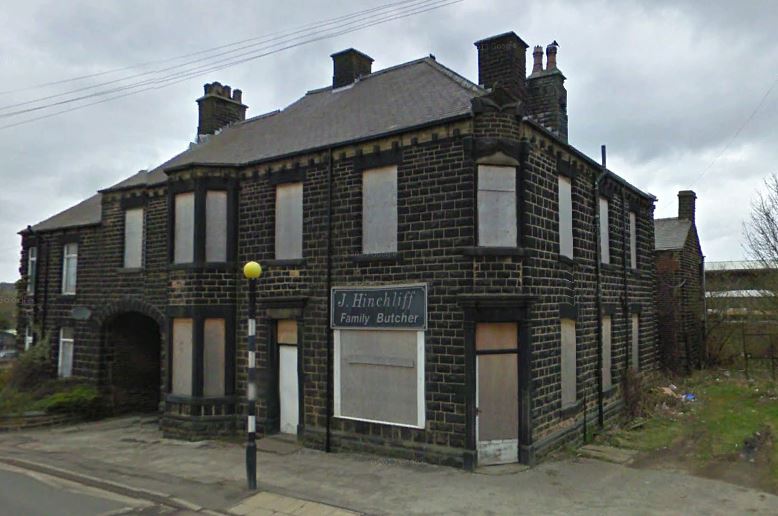
This was once a high street. There will be nothing left of it once these buildings are gone. A village becomes a suburb.
Ambitious restoration of a complex industrial site
For every developer who clings to the argument that financially viable development requires a flattened site, covered in detached dwellings and double garages, uniform in design, to be built from the cheapest possible materials – i give you this scheme which was submitted to Leeds council this week:
Redevelopment of Sunny Bank Mills
The owners of this now defunct industrial complex could very easily hand their land over to an asset management company, who would offer it to a developer, raising it to the ground, as we see each week in the UK.
Instead, they have been upstanding in their sympathy for history and place, and have clearly put a lot of time and effort into developing a mixed use scheme that retains most of the original historic fabric of the complex, and most importantly, is quite clearly going to offer a hefty margin on their efforts.
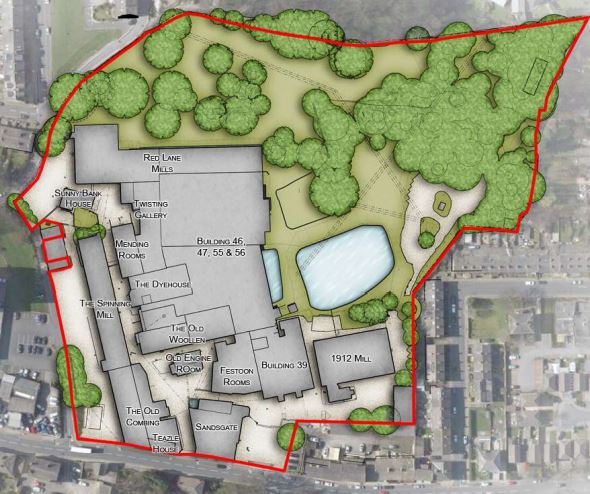
I can not commend the actions of the landowner enough, in taking a risk, being innovative, and thinking beyond his bank balance. If anyone needs a case study to demonstrate that demolition of a seemingly esoteric building is avoidable, this is it.
Lets hope this sets a precedent in the industrial North.
Demolish Halifax textile mill for 22 houses
36 Textile mills remain in Halifax of the hundreds that would once punctuate this industrial landscape.
Spring Hall Mills is one of the remaining mills and has been derelict for some time, but the building and particularly the domineering Mill Street main edifice is robust and could very easily be converted into flats.
Application for full demolition can be found here.
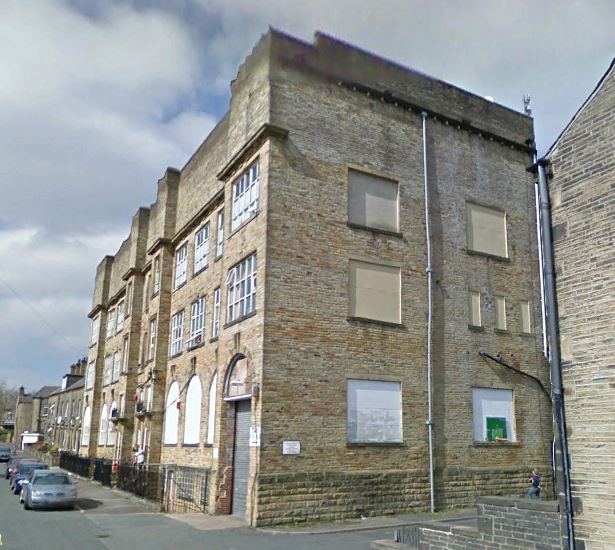
I fully understand the developer wanting to use the workshop space to the rear as a brownfield site, but it would be quite easy (and lucrative) to use the main building to supplement the 22 houses will a number of flats. This takes care of tenure mix, affordability quotas, and heritage contributions.
The footprint of the front building could be saved at the expense of two detached houses.
Although architecturally unremarkable, the mill is vital to this fantastic example of stone built landscape of terraced streets converging on the economic lifeblood that is the mill. This streetscape is West Yorkshire embodied.
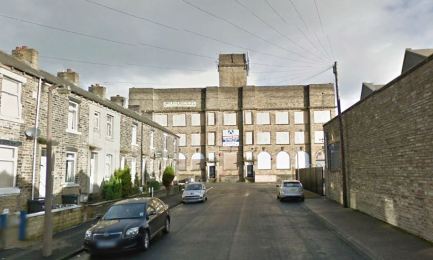
Developer North Point Living, please keep it in tact (and increase your returns in the process)
M62 corridor towns
Those poor old towns along the M62 corridor really will bear the brunt of development in West Yorkshire over the coming decade. Im sure developers will make spurious claims of sustainable locations, but in reality, the West Yorkshire lifestyle will become more dependent on the M62, for going to work, for shopping, and for getting home. The sprawl in these towns means you can barely differentiate between the likes of Morley or Birstall or Birkinshaw any more. If only a strong green belt, and an inviolable conservation area status was given to the highstreets in these towns, perhaps they would be more than dormitories of Leeds.
47 Dwellings on Brownfield land in Drighlington.
The designs are as good as you will get from a volume housebuilder, so even I concede things are improving. Yet still there is no justification to knock everything down. Goodbye to this little gem:
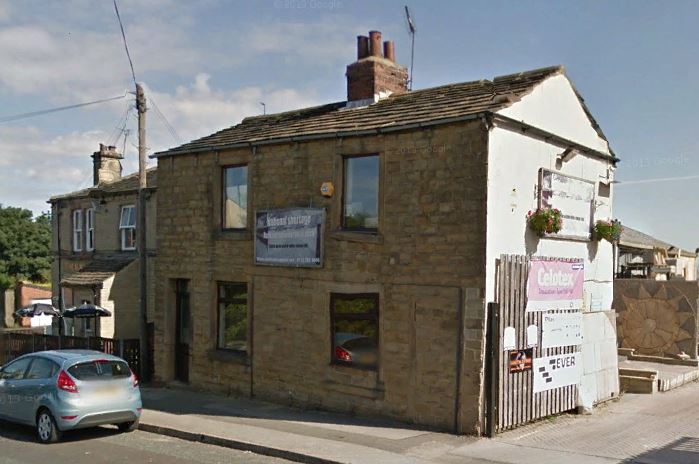
I would welcome this development were they to maintain the street front, transform the cul-de-sac into a through road, and be extremely sympathetic with building materials. A step in the right direction, but still a long road ahead.
Hidden farmhouse with potential in Keighley
An application to Demolish a workshop and a “house” has been submitted this week to Bradford. It turns out that the said house is a well hidden historic farmhouse. It is in disrepair, but I would advise the applicant that more value can be added to this site by retaining the building and augmenting the site with vernacular new builds.
Worthville Farm near Dawson Road in Keighley is a hidden gem amongst 20th century suburban sprawl.

The plans suggest that the footprint of the old farm building would be within the gardens of the proposed 8 dwellings.
Why not keep the farm house and build around it?
If anyone has any other info regarding this building, please get in touch
Demolishing a Pub…to extend a car park
Closed pubs can be awkward to convert due to large car parks and difficulty in adapting, and so the option to demolish is often taken, as I have highlighted almost each week on this blog. This is unforgivable but at least is tenuously justified. To demolish a victorian pubic house to extend a car park is simply unacceptable:
The Ring of Bells in Cleckheaton seems lijkely to succumb to this fate.
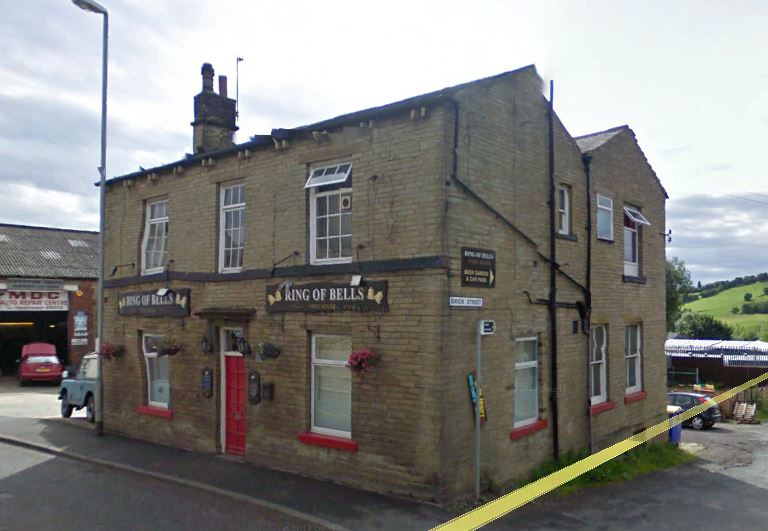
This building is vital to the quickly eroding street front, and has more economic potential standing and waiting for a few years for a use, than as a tarmac recess.
I can’t imagine Kirklees council allowing this to pass, but sadly the lack of a local plan will ensure democracy in all matters of spatial planning is not realised. Everyone in West Yorkshire could oppose this and it would still happen.
Interesting houses, replaced with generic polyhedrons
A couple of houses in West Yorkshire have been submitted for demolition:
This piece of unique form on Town Gate, Mirfield:
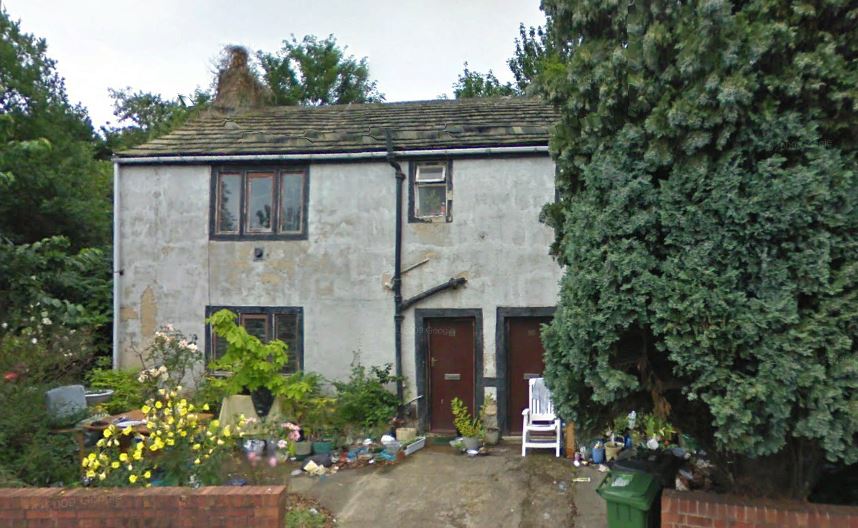
Town Gate suggests something of a historic thoroughfare in Mirfield. The town is almost bereft of its heritage these days. Sad to see such buildings go.
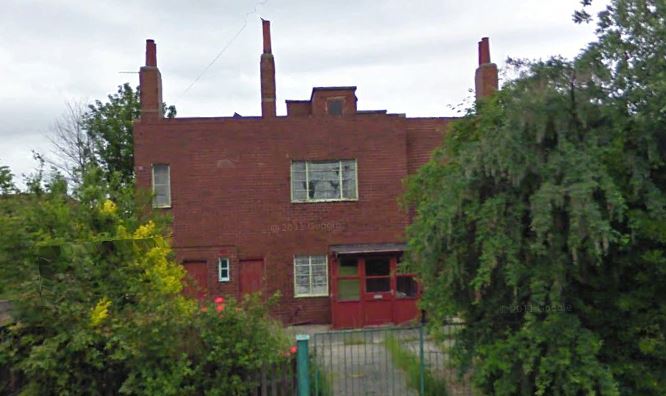
This building in Castleford has me perplexed. I’ve never seen anything like it. Any ideas as to the date or style please let me know. Its certainly not Victorian heritage but worthy of retaining
 :
:
200 houses in Dewsbury
The town of Dewsbury barely has a high street anymore. A beautiful industrial town is still somewhat visible beneath bookmakers and takeaways. he centre of Dewsbury desperately needs to be repopulated by both people and money. Why then would anyone allow for 200 houses to be built on greenfields away from the centre, next to a pristine A-road that is the fastest route out of town?
http://www2.kirklees.gov.uk/business/planning/application_search/detail.aspx?id=2014%2f90780
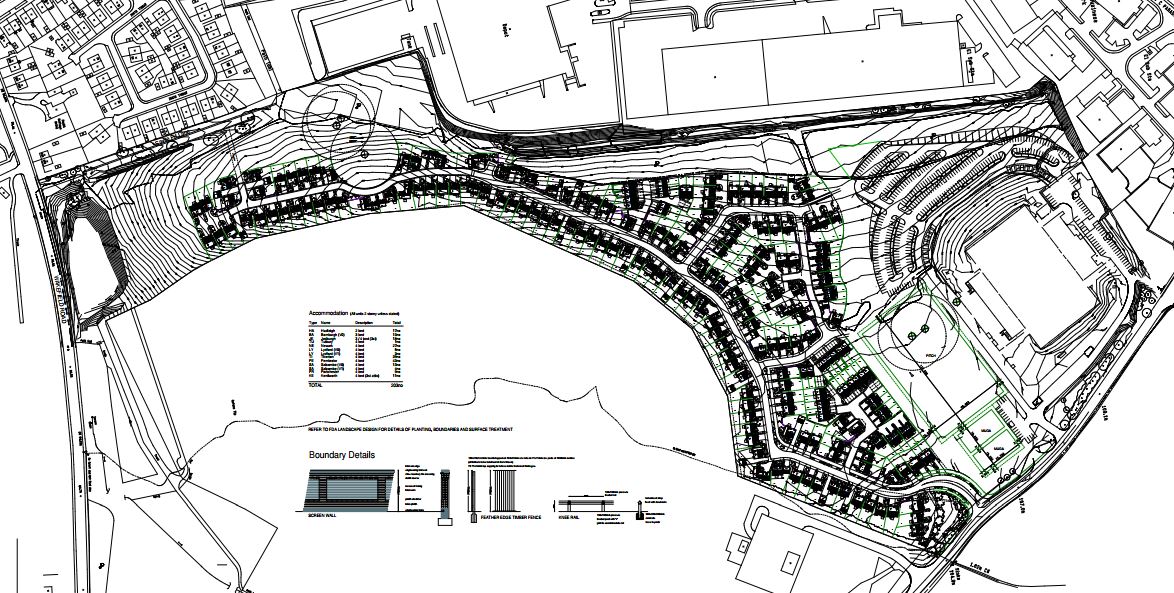
Its just houses, lots of houses, not a place, and doesn’t acknowledge Dewsbury. Just houses and targets and spreadsheets and yields.
Not an urban culture, and not a rural culture. Middle England likes to sit on the fence, assuming to reap the best of both, yet commits to neither, resulting in dependence on Netflix for culture.
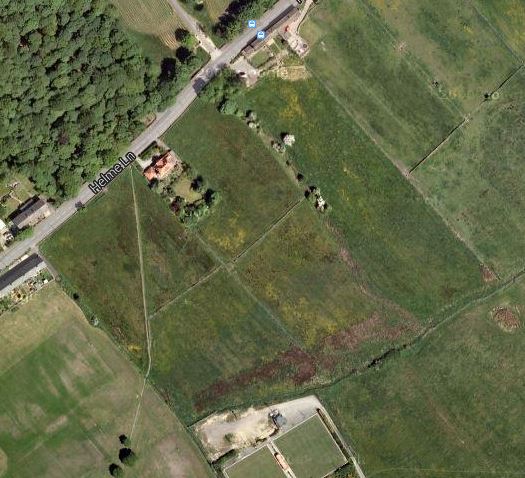
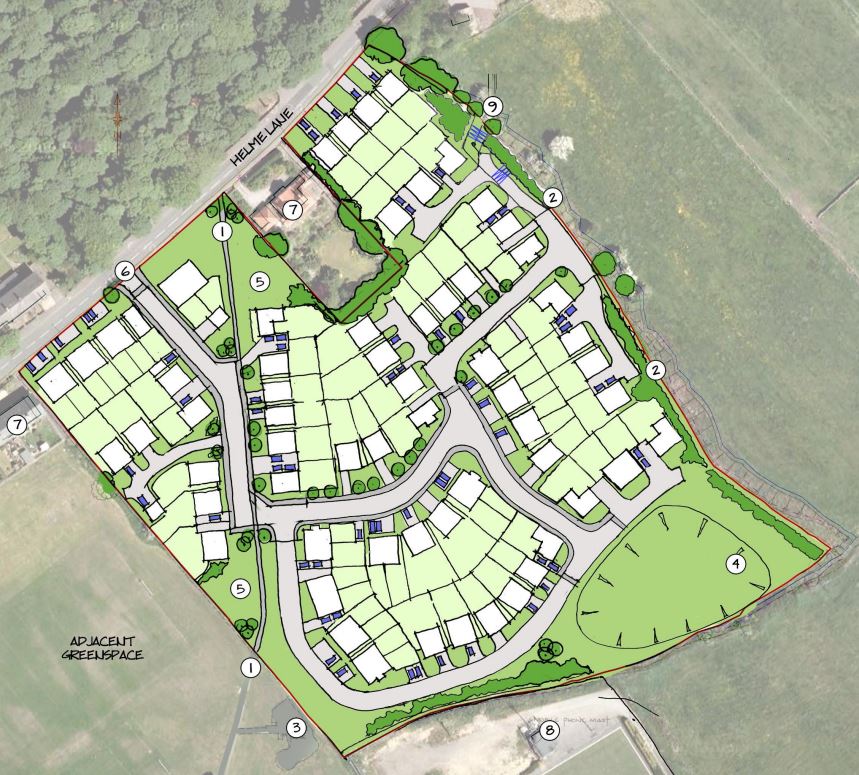
700 house village simulation
Permission for 700 houses to be built onto Scholes village to the north east of Leeds is being saught here:
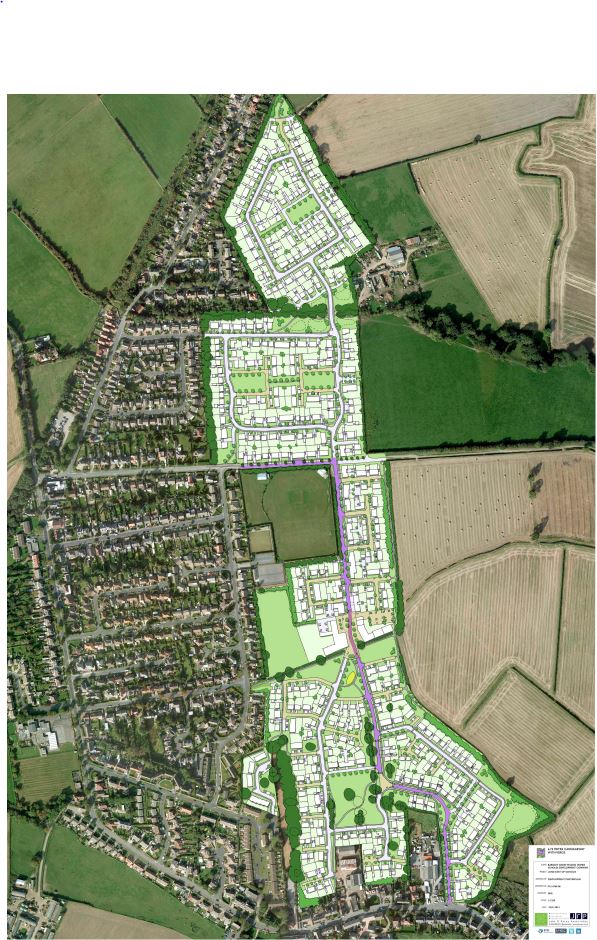
This is really pushing the envelope of the commuter radius into Leeds city center. 700 houses, at least 700 cars, 2 journeys per day as a minimum. The argument against permission on ecological grounds alone is enough. Scholes already being a suburb of itself sets a precedent, meaning permission will almost certainly be granted. This will in turn set a precedent for any other developer who wishes to lay waste to some farm land in the Leeds hinterland at this outlying radius. When all the farmland is gone, we will move further into the countryside, justified by ‘housing shortage’. It is a ruinous cycle.
700 dwellings could do amazing things to the business and society of urban Leeds. What a wasted opportunity.
 The Demolition Register