Industrial Street frontage, Bradford
A large site in Bradford is to be flattened for purposes of progress by Lubna Foods. The buildings are not remarkable, but they do constitute a very appealing street frontage;
Planning application for Garnett Street, Bradford.
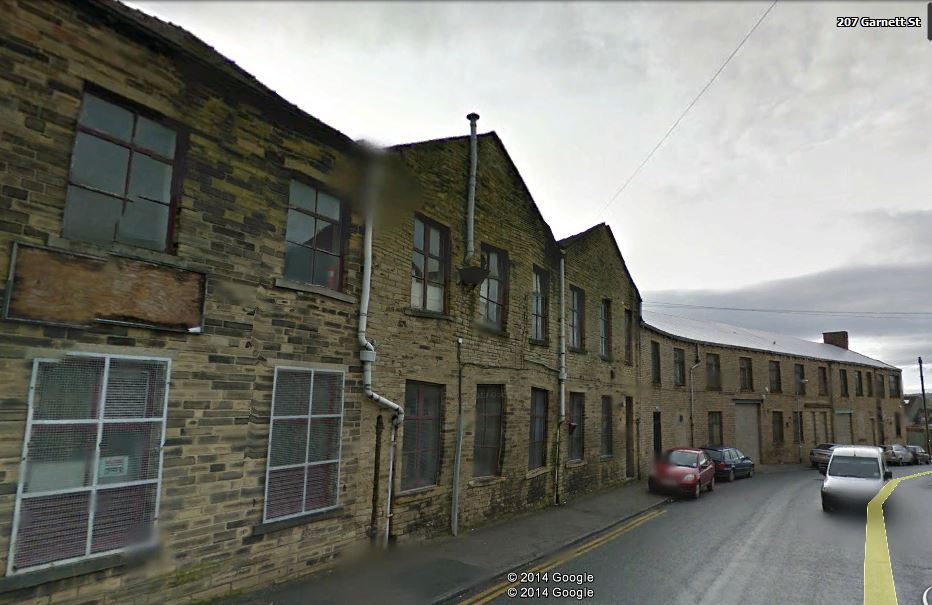
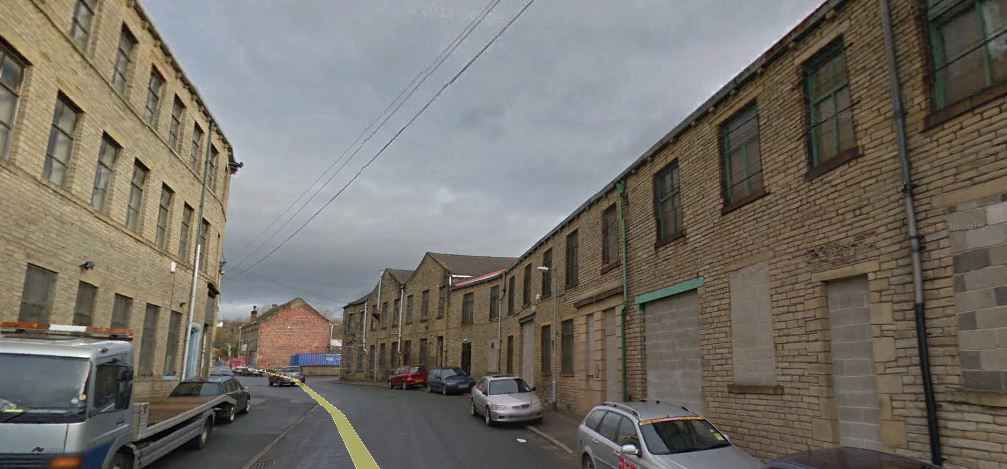
It is these streets, just away from city centres that have traditionally been the preserve of creative start-ups, offering commercial space for nascent industries, and that is how the regeneration of a city through the creative class happens. The problem is, if you allow these post industrial areas to be demolished before they come to life, before they are discovered by intrepid urbanites, then your population loses its creative class, and you don’t have a city anymore.
Also to be lost is a chimney that would make Fred Dibnah weep;
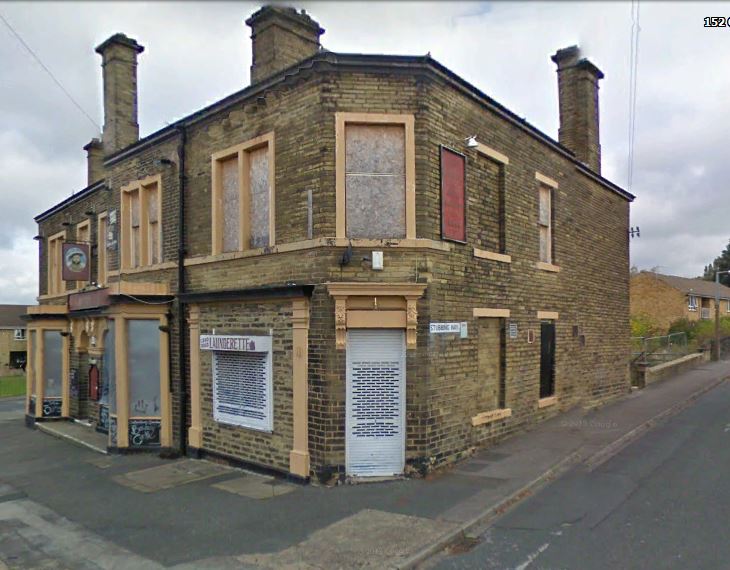
Royal Public House in Shipley
Here is Yorkshire not a week goes by without the promise of the demolition of a Victorian public house. This stately pub in Shipley has its neck under the guillotine.
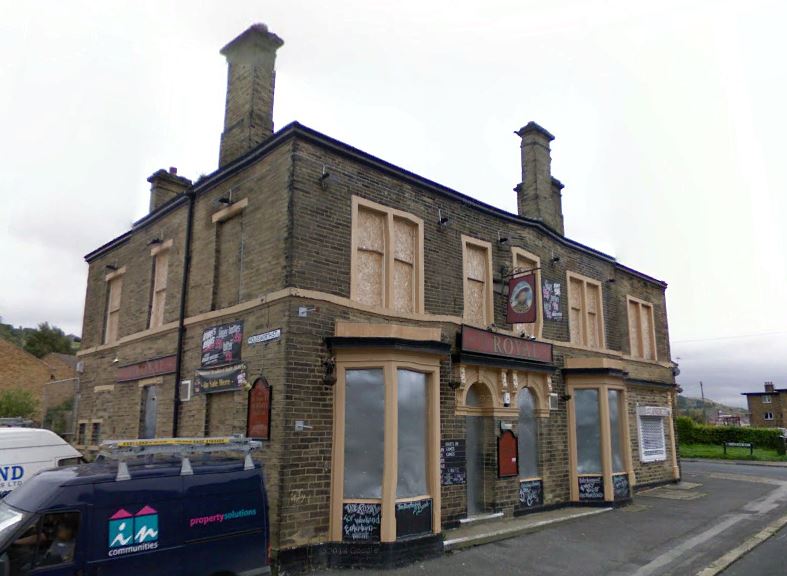
They don’t make chimneys like that anymore, do they?
Pubs always tend to be the last vestige of real urban life in Yorkshire towns, before the well meaning utopian created their short lived tower block paradises. This area of Shipley is brutal and sparse, but this pub reminds us of a time of lively streets and genuine urban culture. Without the mills though, who can prop up the bar?
Terraced house demolition, Bradford
Another example of a terraced property set for demolition is 189 Carlisle Road, Bradford.
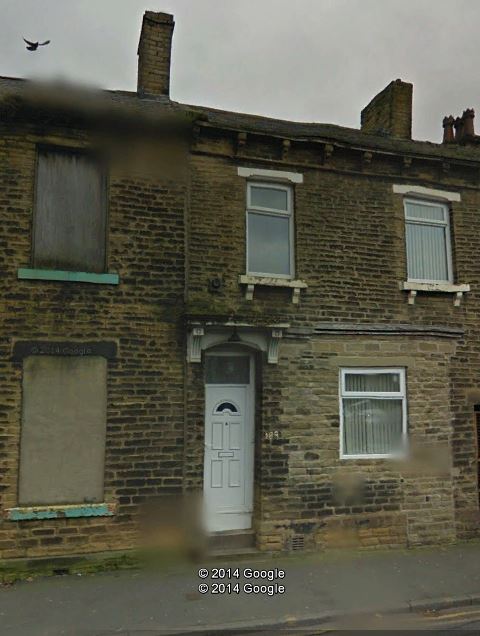
There is never any recourse to heritage consideration in a deprived area such as this, bus still, I can’t understand how the complexity of demolishing a terraced house can outweigh the returns. Surely a relinquishment would make more sense. This would also avoid th destruction of the Victorian Street front. Insignificant maybe, but bit by bit we will lose it all.
Rustic antiques shop in Pudsey to go
This antiques shop in Pudsey is to be demolished;
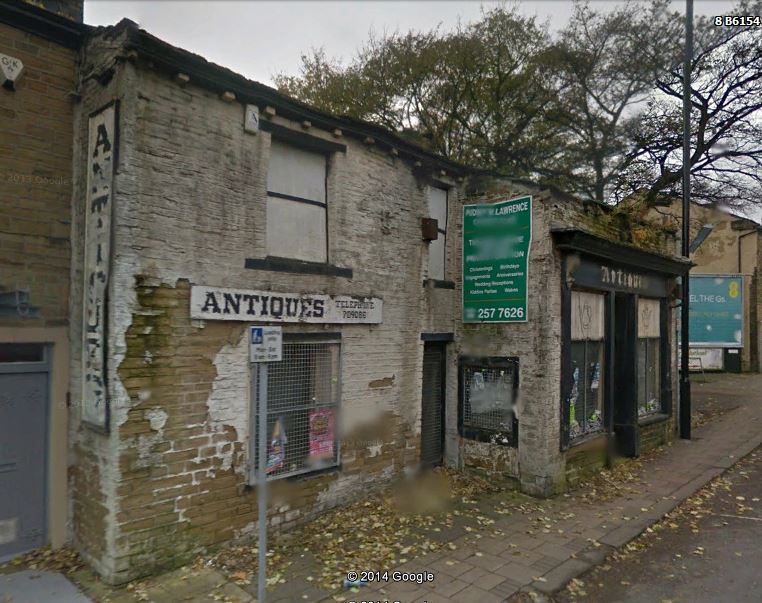
These two properties in Pudsey are looking a bit ramshackle, but there is a Parisian rustic quality to these buildings that gives warmth to the character of Pudsey.It is also sad that a terraced property can still be a victim of the wrecking ball, as I had always hoped that the contiguous relationship to neighbours would be a complexity to deter the bean counting developers. Rough around the edges, but a loss nonetheless.
Victorian Baths in Elland bulldozed without permission
Very sad to see the Victoria Baths in Elland being demolished this week due to structural instability.
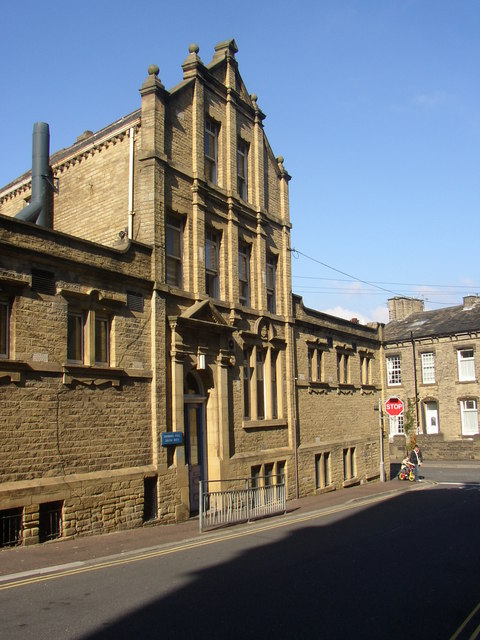
There are not many towns that have been ruined to the extent that Elland has. The loss of industry and the town’s train station, followed by the cursory modernist regeneration of the 60s have left this small town without purpose and wholly deprived. Sadly this last remnant of the once striking town centre has been condemned, with the levelling process beginning before any permission has been granted. I suppose expedience like this is at the councils discretion, particularly as it falls falls within a conservation area.
Apparently it would have cost a million pounds to maintain the structure. A (dubiously) large amount indeed, but how much will be spent on whatever new Community Centre/Elland Action Team facility will be built there instead. Maybe if it had gone to tender on a wider platform or a private owner could have been found, slightly more of Elland town centre wouldn’t be condemned to rubble.
Demolition of a 19th Century stately home for a car park
I’ve had a bit of a break from blogging as I’ve been so busy with a new job (in a planning consultancy – behind the iron curtain so to speak).
So many interesting and needless applications in Yorkshire have been made over the last few weeks, with a wide tranche of demolitions planned, and most likely approved before the end of the year.
I can’t quite believe that the following has gone unnoticed by the Huddersfield press;
Application to demolish Dalton Grange House
The picture says it all. I do not need to explain why this is outrageous;
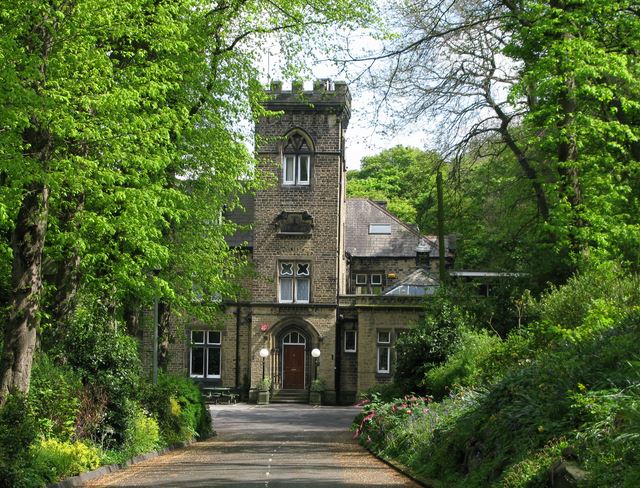
Syngenta, the applicant, is a major employer in Hddersfield, which I’m sure will result in the council subserviently complying to all demands set out on the table. The applicant even has the gall to acknowledge that the land will be used as a car park to serve the nearby stadium. Thats right, a stately home from the 19th century is to be demolished to extend a car park.
Needless to say the Victorian Society share my concern/apoplexy and are helping with the listing process.
This case also highlights that awful clause in planning law – you do not need planning permission to demolish if you do not intend to build on the land. Permission is only required for the demolition process itself. If a building is not listed or within a conservation area (which somehow Dalton Grange isn’t) then it is yours to level as you wish.
Hopefully the bats will save the day, as concerns abut loss of habitat have been raised.
For a building that was functioning as an events venue until very recently, this would be a preventable loss of a building that means so much to so many.
St Mary’s School and Nunnery
Application submitted from The Diocese of Leeds to demolish a 19th century school and nunnery:
http://www2.kirklees.gov.uk/business/planning/application_search/detail.aspx?id=2014%2f91709
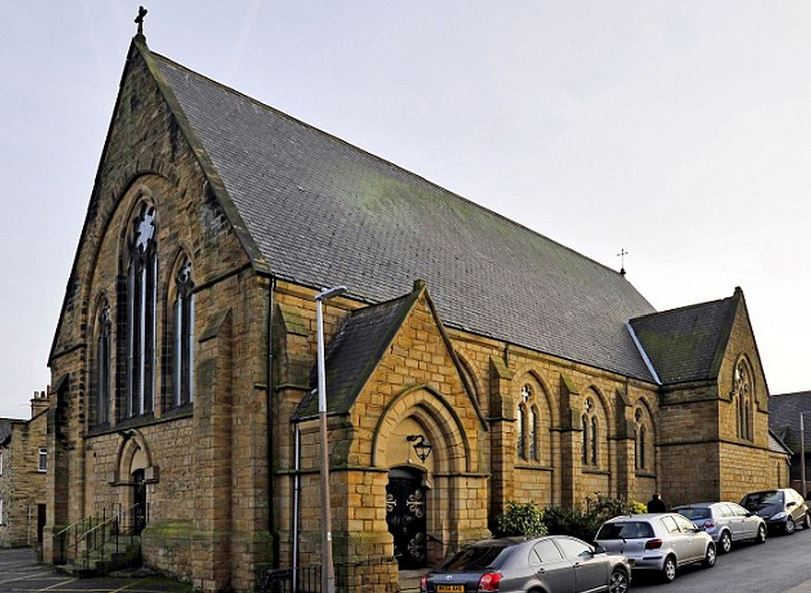
This building is in a conservation area and forms part of the industrial fabric of this corner of Batley. Even the heritage consultant, who noramally dispell any idea of historic merit acknowledge that this would be a huge loss.
No plans to build on the site, so I can only assume that scorched earth is more marketble. So many public buildings are being sold off for housing land, and ironically when a dearth of school places exists; a situation which will only worsen. Still they get rid of these functional buildings. Kirklees, you will rue the day.
Interesting cottage in Illingworth
To appreciate the poor urbanism of the past 100 years, as a result of the housing production line, and car based lifestyle, Illingworth village to the north of Halifax is the place to go. Endless cul-de-sacs atop a windswept moor demonstrate that the concept of a ‘housing crisis’ has always been fed to us, and will never go away. This will always be the recourse of developers.
A final remnant of old Illingworth is to go soon:
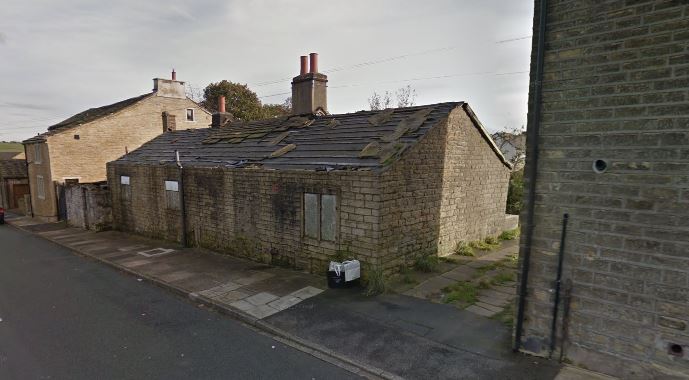
Would be awkward to restore to residential use, but old buildings always are. It is what makes them appealing. The converse is the boring monotony of housing estates.
Last of the commercial high street, Spring Vale
The former butchers shop on the high street of Spring Vale is to be demolished, along with the neighbouring commercial buildings. The planning statement gives us the reason that ‘current local market conditions will not support the reinstatement of the butchers shop’. But why limit our imagination to a purveyor of meat? I’m no shopkeeper, but high street commercial property is quite flexible. You could sell almost anything from this shop. Aren’t we trying to encourage small commercial centres that complement the larger hubs nearby?
Nope, knock it down, build some houses quickly and advertise them as being close to the M1.
4 townhouses – Spring Vale, Penistone
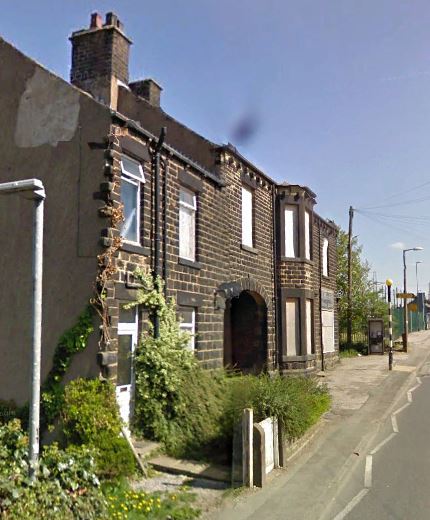
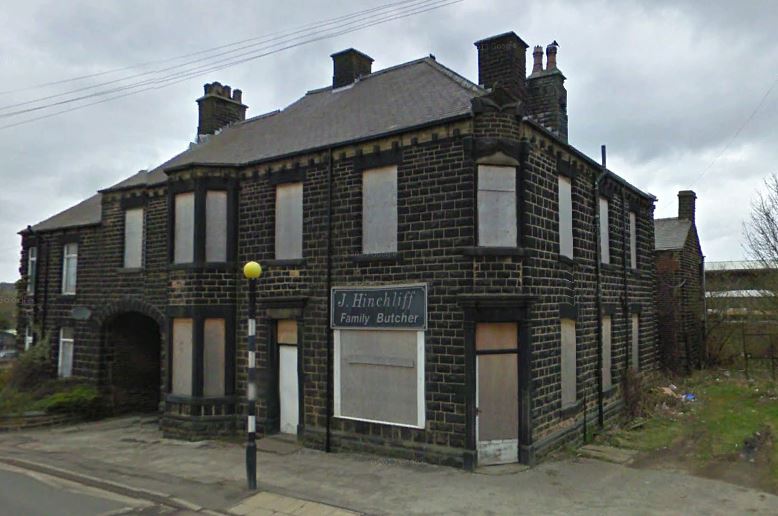
This was once a high street. There will be nothing left of it once these buildings are gone. A village becomes a suburb.
Ambitious restoration of a complex industrial site
For every developer who clings to the argument that financially viable development requires a flattened site, covered in detached dwellings and double garages, uniform in design, to be built from the cheapest possible materials – i give you this scheme which was submitted to Leeds council this week:
Redevelopment of Sunny Bank Mills
The owners of this now defunct industrial complex could very easily hand their land over to an asset management company, who would offer it to a developer, raising it to the ground, as we see each week in the UK.
Instead, they have been upstanding in their sympathy for history and place, and have clearly put a lot of time and effort into developing a mixed use scheme that retains most of the original historic fabric of the complex, and most importantly, is quite clearly going to offer a hefty margin on their efforts.
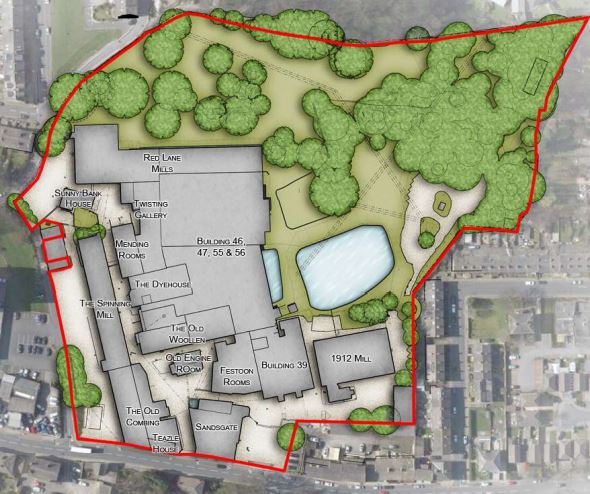
I can not commend the actions of the landowner enough, in taking a risk, being innovative, and thinking beyond his bank balance. If anyone needs a case study to demonstrate that demolition of a seemingly esoteric building is avoidable, this is it.
Lets hope this sets a precedent in the industrial North.
 The Demolition Register