Cute house in Barnsley
Tucked away in Hoyland, but still not minute enough to fall under the radar of the developer is this dwelling;
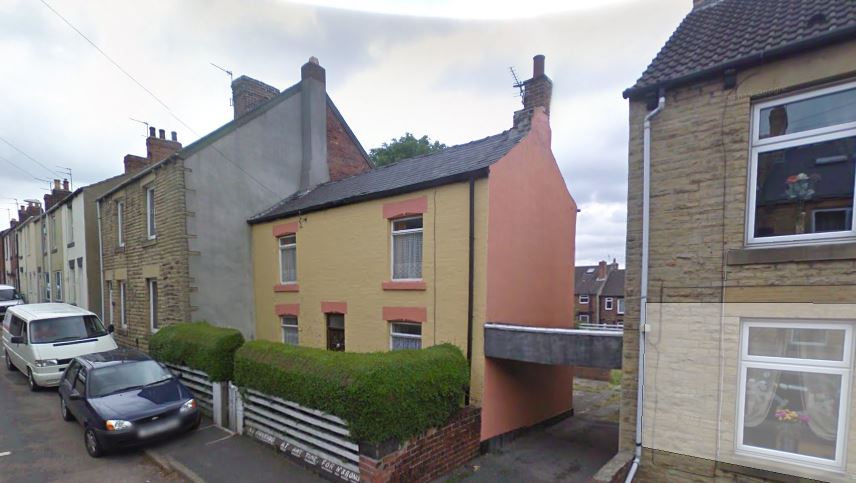
Set back from the road and scaled down from the surrounding housing, this dwelling adds a lot to the streetscape. Lets hope whatever replaces it continues enhance the street in this way.
St Lukes Hosptial, Huddersfield
Sad to see the Victorian centre piece of St Lukes Hospital in Huddersfield being demolished recently;

Formally Crossland Moor workhouse, this important piece of social history stood in the way of a ripe piece of brownfield land and so has been leveled. I’m sure there wouldnt be any difficultly in incorperating this robust building into a new housing/ mixed use masterplan but a clean 22 acres is much more conducive to a real estate spreadsheet.
As far as I can tell, the new masterplan doesn’t even use the footprint of this building;
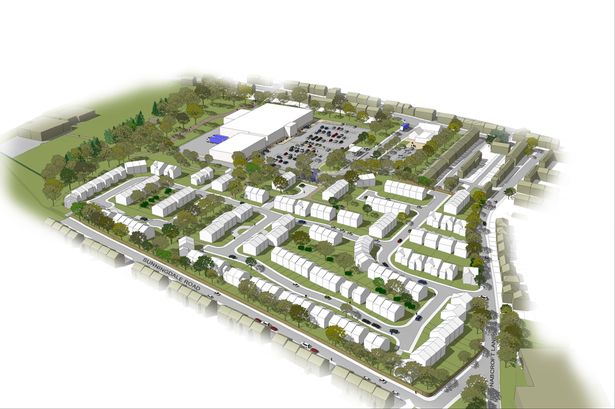
Th problems are systemic rather than practical. Investment, design, planning, and marketing for new build housing estates demands homogeneity and simplicity. An esoteric Victorian building just gets in the way. Shameful.
Unremarkable, but vital buildings
A small building in the industrial belt of Bradford has a demolition application set to it.
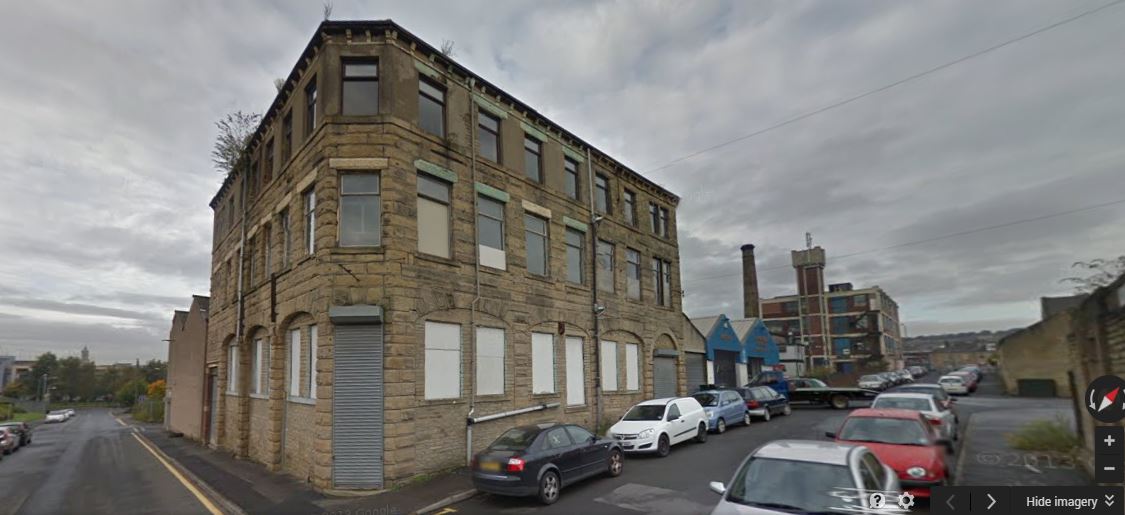
Individually buildings like this demonstrate no aesthetic grandeur, but should this block in Bradford be regenerated, the industrial building stock would be a lynch pin connected to former to the future. Understated buildings like this have no statutory protection – there is nothing planners can do to stop them being demolished – but when they are integrated into a new development tend to anchor the new builds to the setting.
Old buildings are a finite resource, and a building like this, although presently considered of no value, would one day be priceless.
Burnt out mill building
A fire damaged portion of a mill complex is to be demolished following recommendation from a structural engineer.
This has occurred a number of times in West Yorkshire – the new Aldi site in Slaithwaite, and Ebor MIlls in Keighley come to mind – and its a bit of a trump card in clearing a brownfield site. Understandably if the building is a hazard it has to be mitigated, but im often sceptical as to weather the stone work is truly compromised by fire damage.
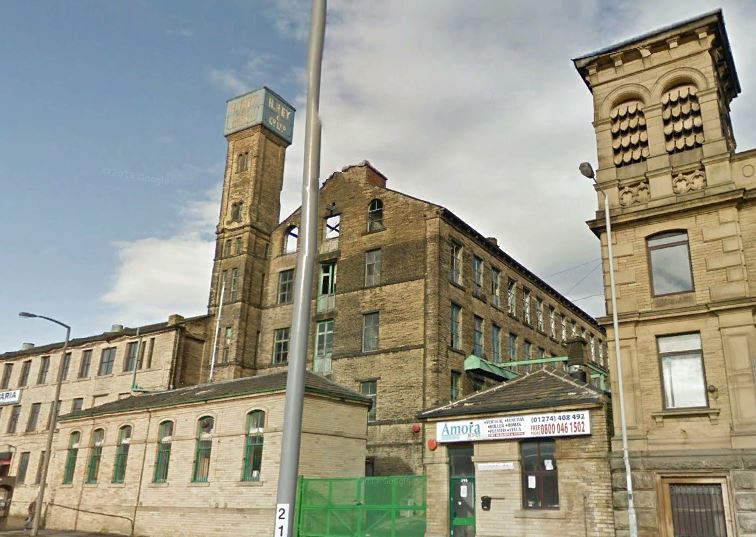
The taller building and tower in the image above are set to be demolished.
We are going to lose another spectacular mill to these terms. 3 or 4 a year and Yorkshire will have lost them all. They are esoteric, quirky and old, but they are so important to our history. As the Colosseum in Rome was plundered for stone, we also do not yet see the value of these monuments to our pre-eminent age of prosperity.
Bradford again, again
Bradford development control have some difficult decisions to make over the next few weeks. More and more threats to heritage poor in.
A unique property in Ilkley is to be demolished to make way for a conceptual arc. The concentration of pitched roofs and the piecemeal growth of the building shall be missed.
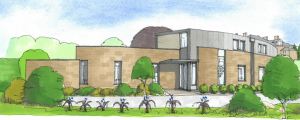
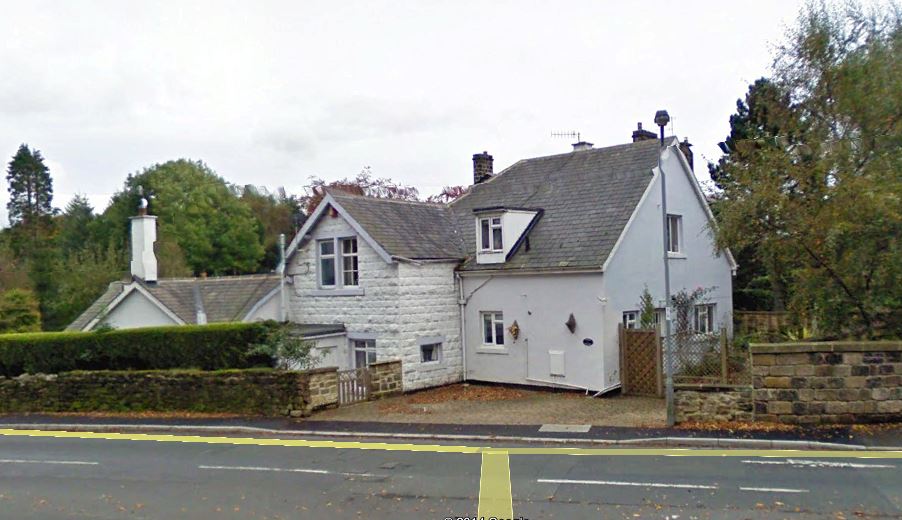
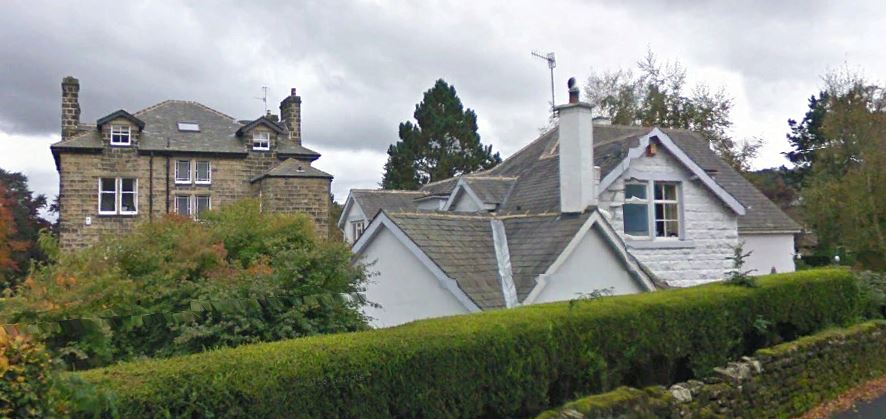
The architecture proposed is in my opinion very exciting and deserves a place somewhere in the British landscape, but why must we lose the original building as well?
The planning statement derides the design quality of the existing building, suggesting that the new build would be more congruous with the surrounds. Lets call a spade a space; the new building would be anathema to the local vernacular. Planning statements are increasingly hot air spoken on behalf of the highest bidder.
Bradford, again!
Another palatial building looks likely to be torn down in Bradford.
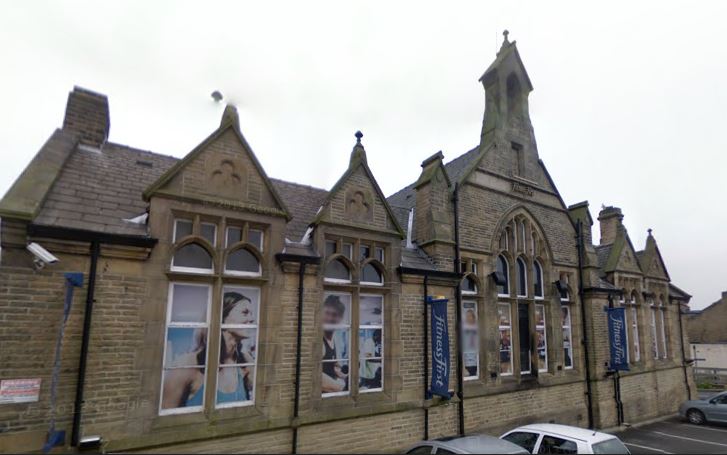
No heritage statement with this application strangely enough – although a heritage statement ALWAYS vociferously favours demolition so no loss there. I’m not too sure what the history of this building is but it looks like a probably vVictorianschool that is now occupied by fitness first. The frontage is so very impressive, and with this loss, another fragment of authentic pre consumer capitalist culture is lost.
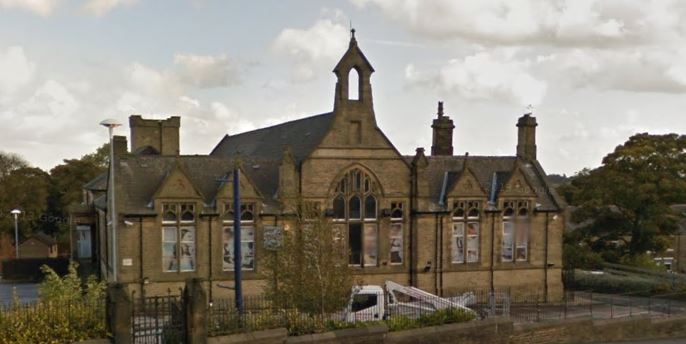
Its difficult to integrate a building like this into a development, but a talented urban designer could create a fantastic esoteric residential area here. Architects, this is a call to arms.
2 entire industrial blocks in Sheffield
This is some real land clearance in Sheffield. A conservation area based upon its virtue as a historic industrial area is to be cleared;
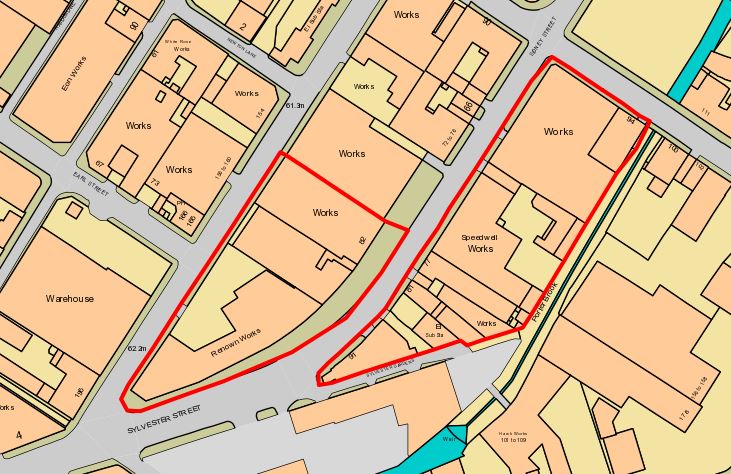
Now Im in no way suggesting the entire block should be retained – much of the build here is shoddy – but the block has been developed in such a piecemeal way that a lot of variation exists within the street frontage. See Jane Jacobs for why this is imprtant in urban design.
City centre developments now demand huge amounts of space, with complete clearance. What makes industrial cities beautiful are the remnants of the past can can be found tucked between glistening skyscrapers.
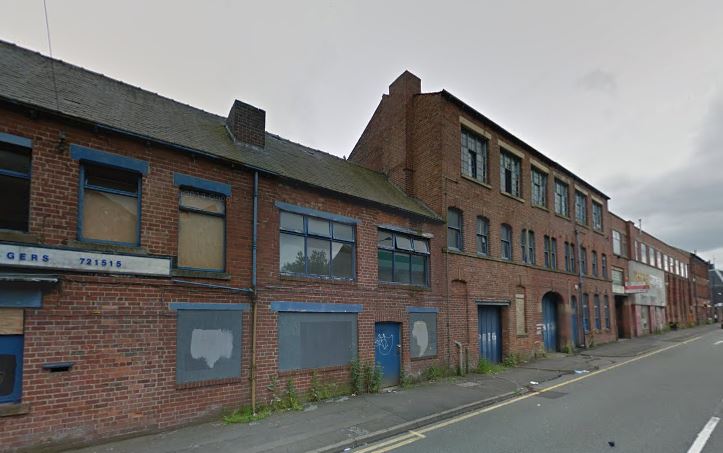
Once the land assembly people have this entire block under one deed, we will lose the variation along the street that is a result of parcelled ownership. Shame.
Instead, it would be nice to see some of the 3 and 4 story building retained, and newer developments incorporating them into a masterplan. But alas, the construction industry is devastatingly risk averse.
Demolition of Rosemount in Bradford
Another application to destroy an impressive Victorian urban manor. Bradford has a reputation for a city that has been cavalier with its Victorian building stock and this is no exception. Rosemount is the last remaining vestige of Victorian architecture in the Apsley Crescent conservation area.

Not the best photo, but all google street view would allow.
Indigo planning have put together a very dubious heritage statement. Im sure if the cash was there they would explain how Notre Dam needs to be bbulldozedfor affordable housing.
They state that ‘the quality residential cul-de-sac is sympathetic’ – cul-de-sacs did not exist in victorian times and therefore can not be congruous to the conservation area.
They also suggest that ‘The recent residential development reduces the buildings contribution to the character of the conservation area’ – then surely your development will further diminish this quality?
The design of the new buildings preserves the Conservation Area – I believe they call this an oxymoron. NO part of the building or the street plan is retained, how then is this preserving anything at all??
Finally, the heritage statement is adamant that the building is beyond repair, yet how can we take the word of a consultant on the books of the client. Heritage assets need to be properly inspected by a third party before they are condemned as unsafe and not viable.
An entire Victorian block in Bradford
Bradford CIty Council have made a few applications of late of which are reminiscent of their cavalier 1960s wreking ball attitude to the city centre. In this instance, 4 properties that constitute much of the entire block have been condemned.
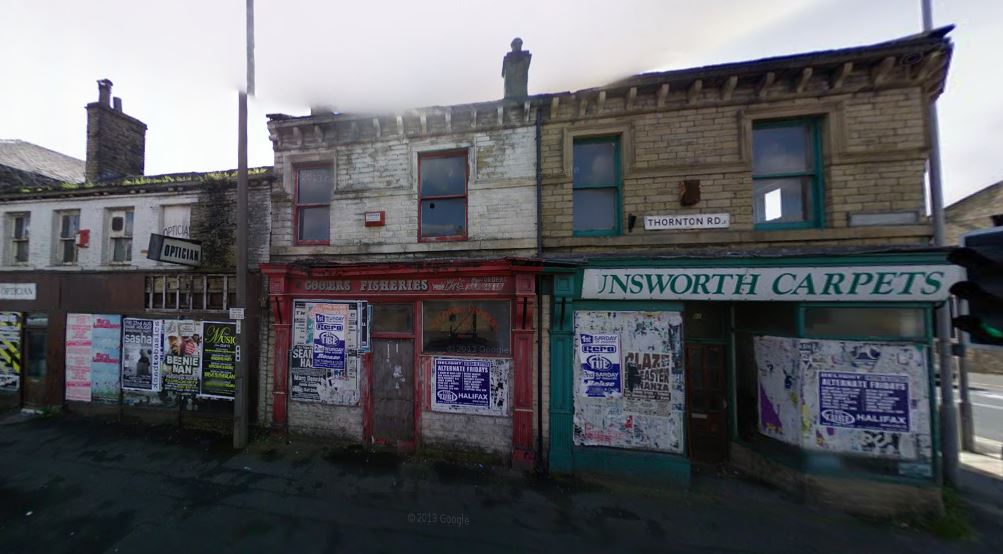
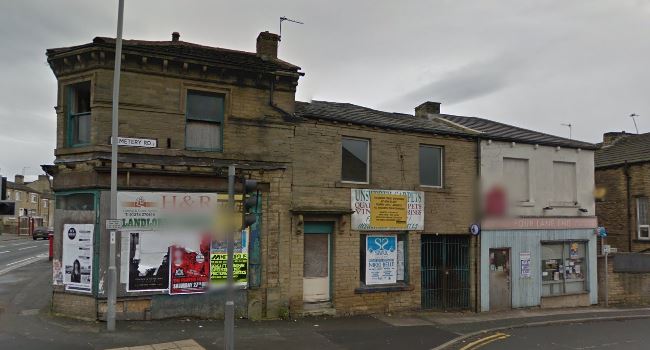
Shrewdly they are applying that caveat in planning law in which the demolition and development are seperate applications, meaning objections based upon conservation can be eschewed. Something needs to be done to patch up this loop hole.
Its a rough street, but the dirt is superficial, and with some effort you would retain a beautiful historic street front and the cobbled yard to the rear.
Last fragments of the canalside in Mirfield
I was saddened to see the last industrial building on Station Road in Mirfield put up for demolition, as this street faces the canal, and is cobbled – it truly is one of the last authentically Victorian environments left in the town.
http://www2.kirklees.gov.uk/business/planning/application_search/detail.aspx?id=2014/92001
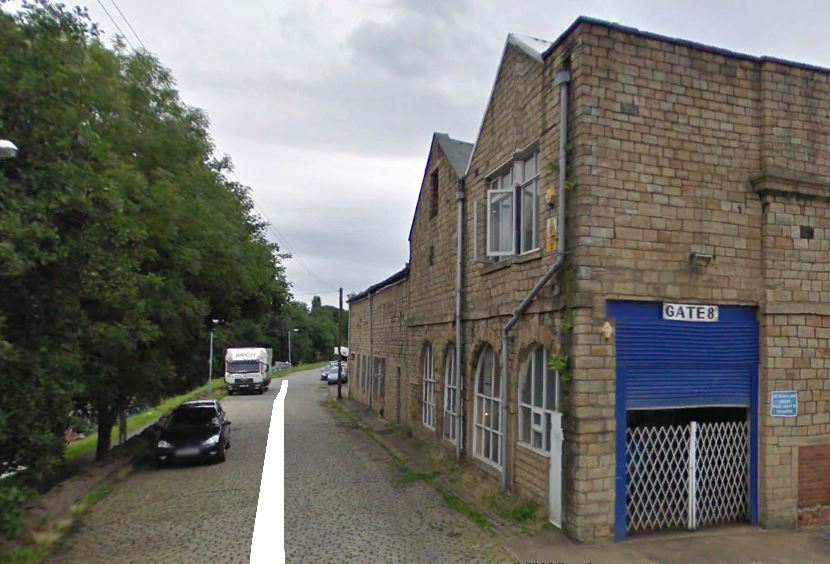
It is quite clear to me that any residential or even commerical redevelopment of this site would benefit immensely from retaining this frontage. Finding tenants has become about branding and the creation of a location. Victorian stock adjacent to canals (and cobbles to boot), flies off the real estate shelves. Don’t demolish this last vestige of industrial Mirfield, its bloody beautiful.
 The Demolition Register