Regent Cinema, Redcar
Beachfront cinema in Redcar has been demolished:
https://planning.redcar-cleveland.gov.uk/Planning/Display?applicationNumber=R%2F2020%2F0075%2FF3M

Built in 1928, the cinema is to be replaced by a newer cinema building, so thankfully Redcar won’t be losing the amenity of the cinema.
The art deco elevation will be missed form the sea front, offering a glimpse of the golden age of the British seaside town.
Lets hope the new building helps to revive Redcar as a destination for weekend revellers. Once we are allowed to revel again.
St Helen’s Square, Scarborough
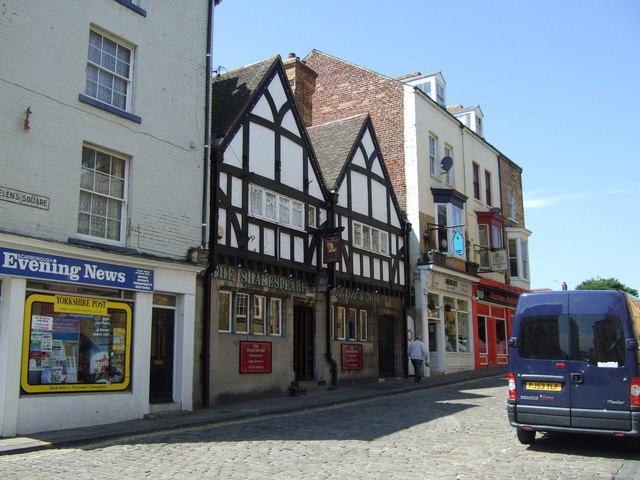
Three buildings to be lost, including the Shakespeare Pub, for public realm improvements in Scarborough:
This is one of the strangest public sector led planning interventions I’ve seen.
The application, submitted by Scarborough Council (to be determined by Scarborough Council) involves the loss of three historic buildings including a mock Tudor half timbered pub, in order to create a setting for the restored market, and provide a moment between the town centre and the sea front to encourage movement between the two spaces.
The design statement also states that the setting will be improved as the building heights currently in place demonstrate too much variety, and that the notched corner is incongruous to the chamfered corners found elsewhere.
This is some of the most tenuous post-rationalisation I’ve ever heard. The removal of a pub will have the inverse effect to that intended, the variation in building heights offers modulation to the street frontage, and the notched corner provides an already sufficient amount of public realm for the cafe.
The loss of the buildings will also reveal a brick edifice, and a bare gable end which looks to be intended for some council sponsored public art. Get ready for rainbows and unicorns and holding hands.
Vociferous objection from Heritage England and many local groups have largely been ignored. If this was an application coming from the private sector, it would be refused without delay. However, as it is in the interest of Argos (the develop of the adjacent plot), and as the applicant will also determine the application, this will almost certainly happen.
I’d like to know the cost of this project. Compulsory purchase orders of three town centre commercial buildings, demolition costs, development costs, and revenue budgets for maintenance, will likely make this vanity project a pricey one for the Scarborough folk. And the loss of three residential dwellings is also a factor that has been completely overlooked.
Lets not go back to a time in which local authorities wield their power to clear buildings with the cavalier alacrity of the 1950s, only to regret it a decade later.
Clough House, Birstall
Application to demolish two Georgian buildings in Kirklees for 30 new houses:
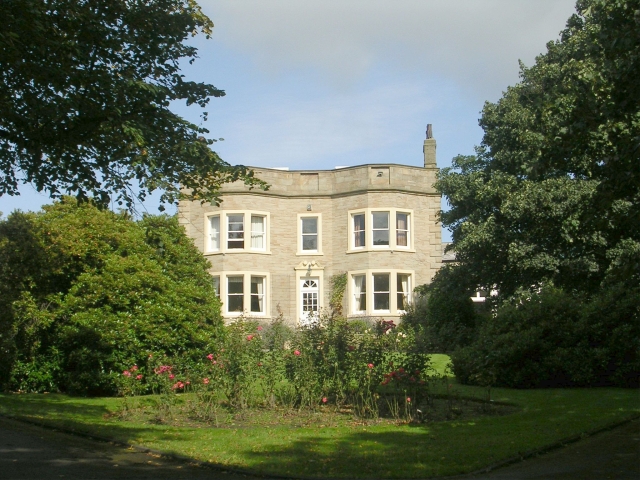
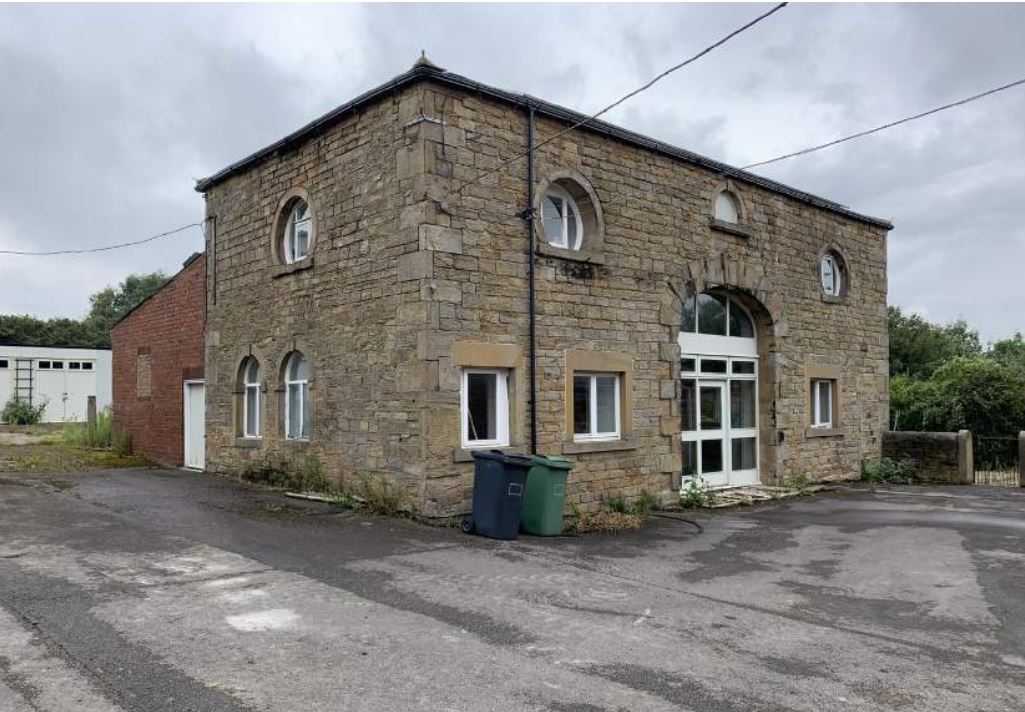
Top: front elevation of Clough House. Lower: Outbuilding to the rear
Cough House built in 1799 should be afforded statutory protection. I quote English Heritage; ‘all buildings built before 1700 which survive in anything like their original condition are likely to be listed, as are most buildings built between 1700 and 1850.’
This should be a relatively simple planning dialogue between Kirkless and the developer. Yes, go ahead and develop the site, but only in a way that preserves the historic buildings, and as per local policy, enhances the setting.
If this is not done, then Kirklees’ own policies have been flouted.
As expected the heritage statement commissioned by the developer supports the demolition of the buildings, as they are not as ornate as some of the other mill owners’ villas of the same period. He goes on to state that the new housing quantum is worth the loss of the building.
You can almost certainly have both. The developer as per usual is just demanding a carte blanche site to get stuck into. This is not good planning. I urge you to object.
West Vale Mill offices, Calderdale
Application to clear the remaining buildings on a former mill site:
https://portal.calderdale.gov.uk/online-applications/applicationDetails.do?activeTab=summary&keyVal=QKZB2SDWFG600
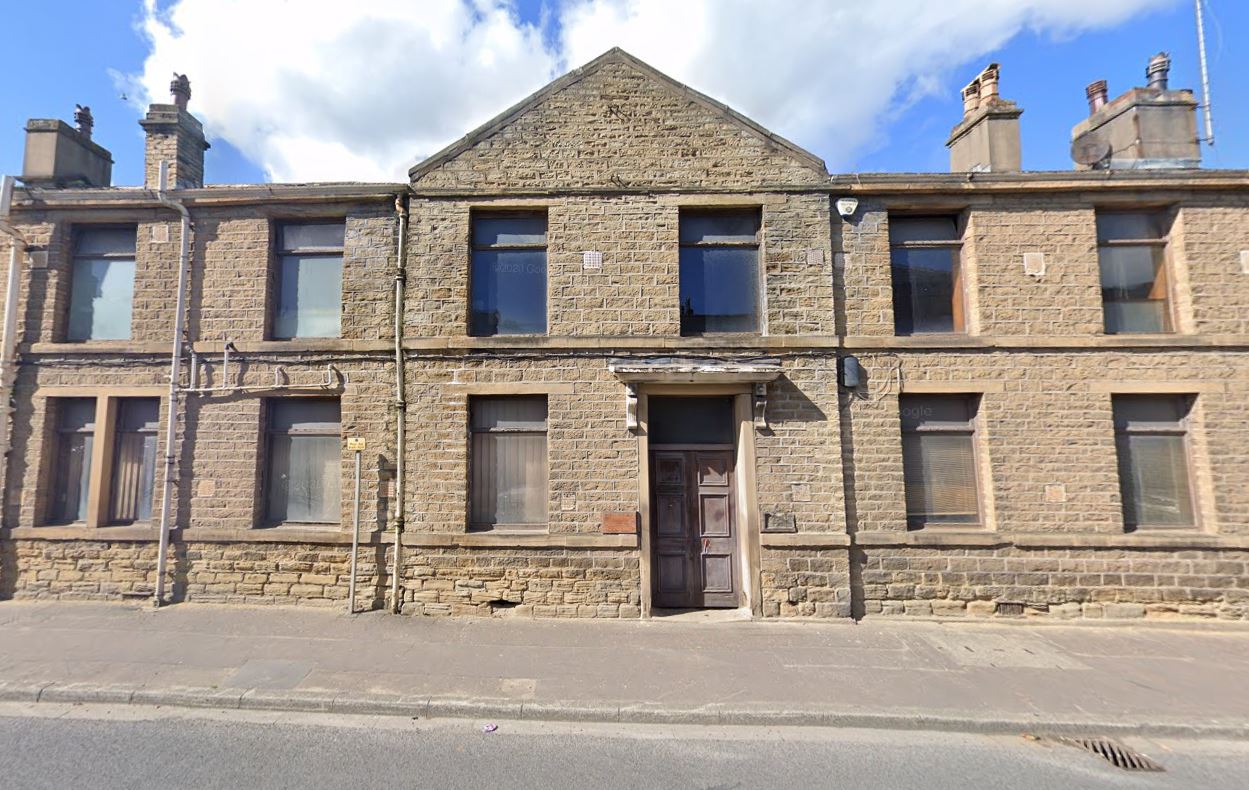
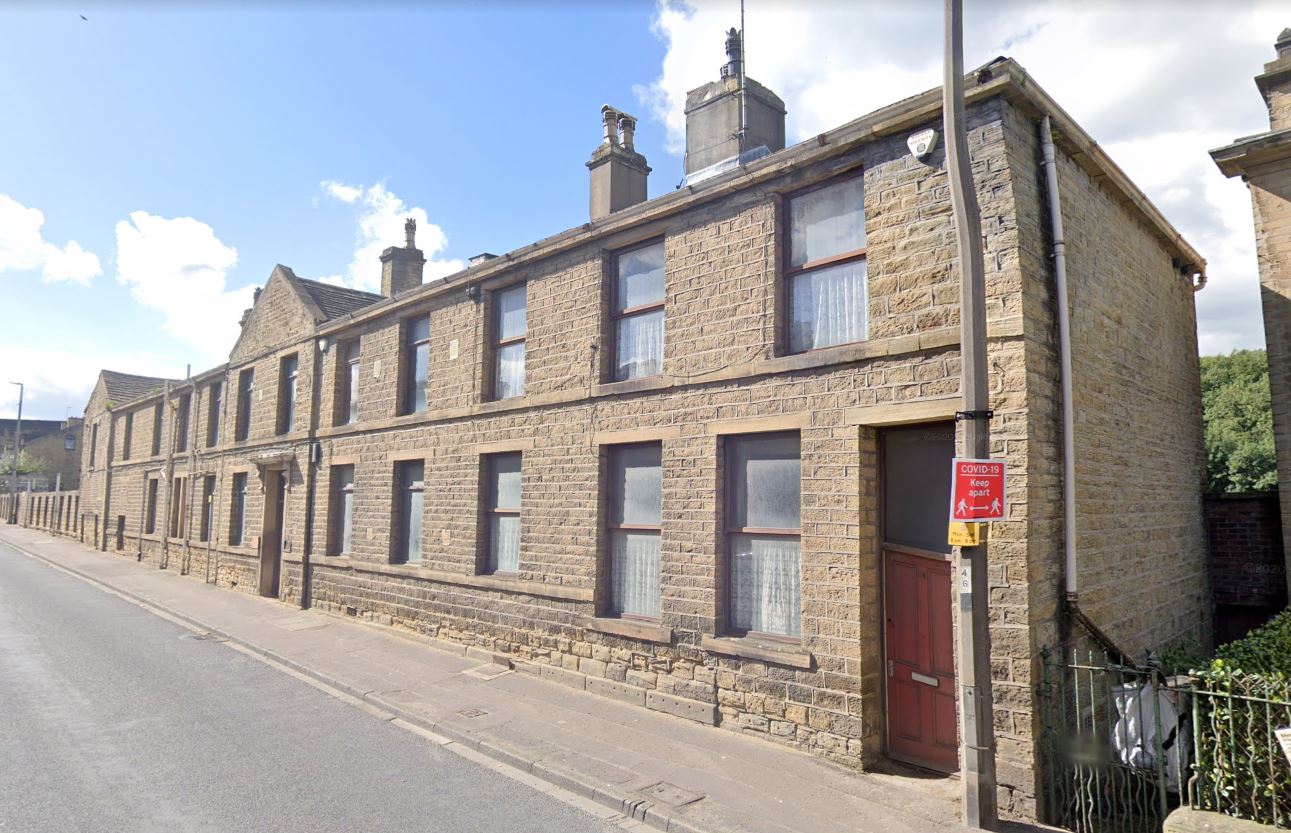
West Vale Mill, the demolition of which has been piecemeal throughout the last decade, was a stunning stone-built campus around which this village developed. The mill building, was lost a few years ago and was covered on this website. Now the last remaining vestige is to be removed.
Strangely, the mill offices pictured above are a perfectly domestic scale and aesthetic. Put some front doors on there and you’ve got a row of cottages. People still like cottages right? I imagine the developer, and possibly the planning team at Calderdale will have made a stink over the lack of adequate off-street parking, condemning this terrace to demolition.
The same can be said for the entire complex shown in the image below. I cannot think of a more perfect industrial Yorkshire townscape than the former West Vale Mill, now all gone. The market has proven time and time again that stone built industrial refurbishments outperform new builds on the market every time. People want character. These buildings did not have to be lost.

Not to mention the amount of embedded carbon that would be saved. Flattening a site and rebuilding it is hardly sustainable. No amount of locally grown broccoli from Todmorden is going to offset that.
House at Cliffe, Selby
Rural cottage to be replced with three hosues:
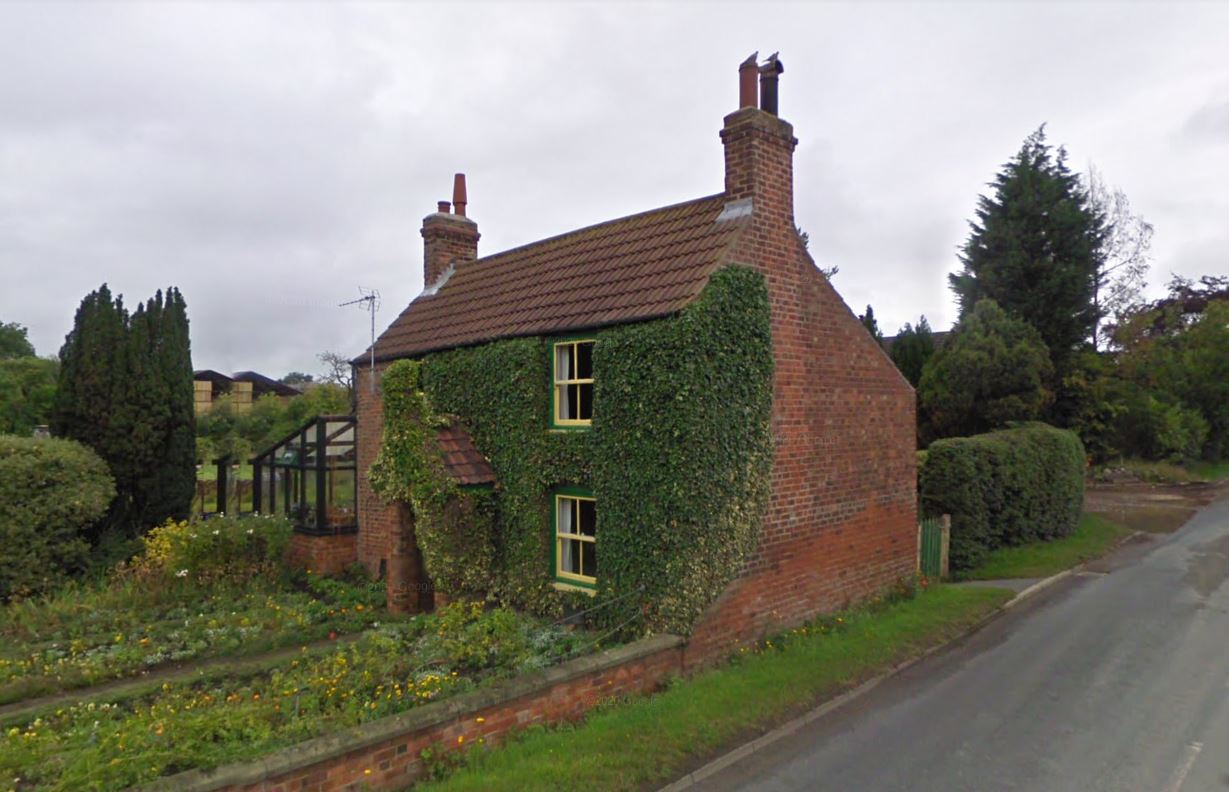
Charming Ivy clad cottage to come down just to teh East of Selby in Cliffe village. Its the nuances that are abscent from new builds that initially piqued my interest in heritage. The above, for example, has a boundary wall that attaches to the gable wall. This sort of feature will be abscent from the replacement, but in design terms, marries the building to its environment.
Hopefully the ivy will grow back over the three hosues that replace this bulding.
Brew and Brisket pub, York
Circa 1900 pub to be lost near Clifton Moor:

A lovely example an important typology from this era; The Roudhouse Pub.
The applicant is looking to demolish the building, put up a prefab unit and create a service yard for a car wash. Im no entrepeneur, but surely it would be cheaper to keep the building as the business premises? You could even lease out some of it as office space.
The pub doesn’t occupy a central position within the plot, being tucked away in a corner, so its not as if the configation on the site precludes its use a car valetting facility. Even the heritage statement accepts that the history of the site needs to be further reseach before the building is touched by the wrecking ball. Thats as close as we’ll ever get to a plea for retention from a comissioned heritage expert.
These pubs are vital robust public buildings, and slowly they will come back to life in a post-covid world. It is difficult to appreciate from the image, but the brickwork now demonstrates a centenial spalling, after 100 years of life and love. Clean your car by all means, but only when you’ve got enough spare cash after going to the pub.
Leeds General Infirmary
Demolition is to commence of the Former Nurses Homes at the Leeds General Infirmary:
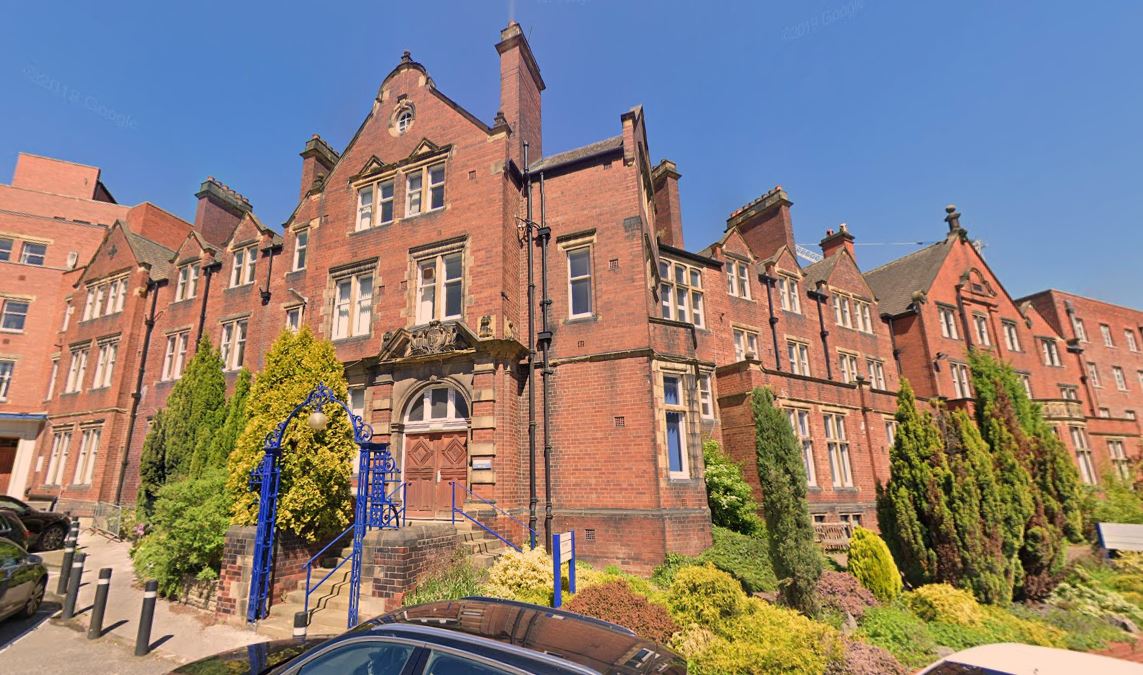
I genuinely thought Leeds City Council would manage to negotiate the retention of the more ornate portions of this building.
I had personaly campaigned to get some of the building included in the revised listing of the hospital campus. Unfortunately, this was not to be, and we will unecessarily lose a stunning bricked frontage in the city centre, to be replaced by an elevation that does not relate to the street.
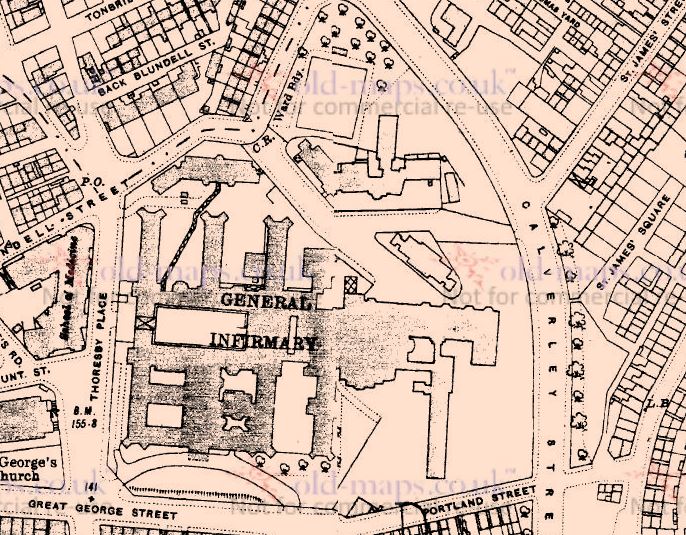
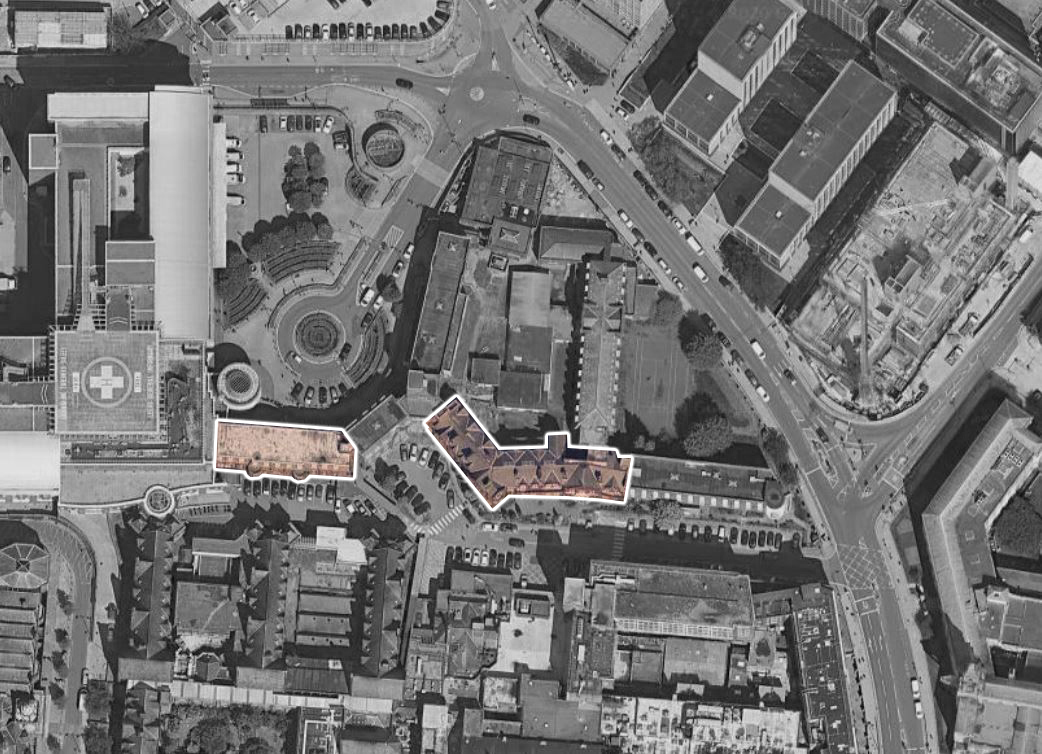
It has been a highly emotive dialogue, and a lot of ire has been directed at the conservation lobby for valuing heritage over childrens hospital facilities. Social provisions for vulnerable children are vital and I can see why the citizenry of Leeds decried any motion that could prejudice the arrival of this new facility. However, I have always reasoned that both requirments could be satisfied with adequate design skills. The decision being made at plans panal, I can not imagine any of the politicians voting would risk the optics associated with questioning the delivery of a new childrens hospital.
It is also concerning that Heritage England and The Victorian Society fully objected to the loss of these buildings, and their consultation appears to have been given no weight in the decision. Heritage England also showed concern for the presidence this sets – should other hospital buildings be deemed redundant, will they also be lost?
The last point I should make is directed towards the architects, Golling Dod. When every other actor in this process has overlooked the potential to retain the hertiage buildings it is almost understandable, with hospotal delivery being an excerise in balance sheets. But the design professionals tasked with making the most of this site should be tabling a strategy that demonstrates how heritage can be integrated into a new facility, and add value to proposals. It was encumbant on the architects here to offer a creative and inspiring concept. Instead we have a design that is wholly generic. Reflection is needed.
Brass workshop, Bradford
Plans to demolish a backstreet Victorian workshop in Bradford:

This charming industrial corner site just outside of Bradford City Centre is to make way for two terraced houses, replacing the existing building on a like-for-like footprint.
The loss of the corner entrance is a shame, as are the chimneys that will no longer be a feature of this corner.
Let’s hope the new building (and specifically the conservation officers at the council) ensures that the materials of the elevations match th rest of the block.
Ripon Cathedral Choir School
Appication to demolish music institute in Ripon:
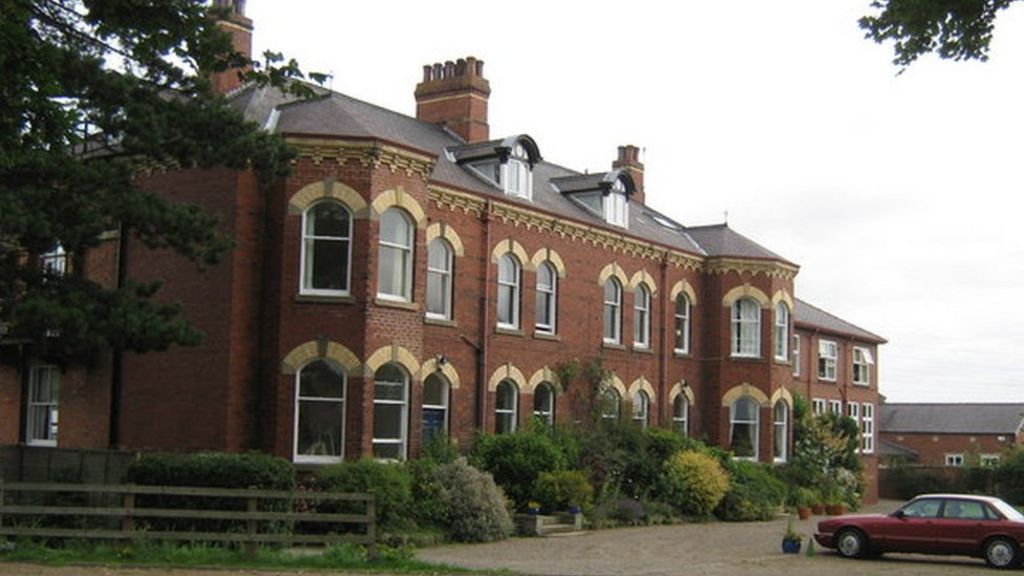
Persimon Homes are looking to build out 12 apartments as part of their wider strategic development on this site to deliver 105 dwellings. Originally they had received permission to convert this building.
Although they received permision to build out their houses, I would hazard that the determination may have been predicated on the betterment of the site, following the retention and restoration of this historic building. I question whether or not the permision would have been granted had the demolistion notice been included with the initial planning application.
Thankfully it sounds as though there has been a lot of vocal opposition to the plans, which is well documented in The Stray Ferret. However in my experience the local authority will struggle to justify a refusl, following what has presumably been a protracted process, subsuming hundreds of officer hours.
Cottages in East Yorkshire
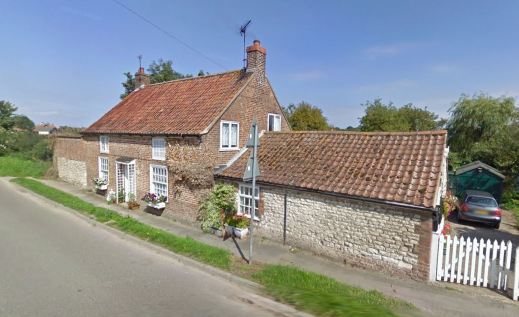
Three rural cottages to be lost in The East Riding:
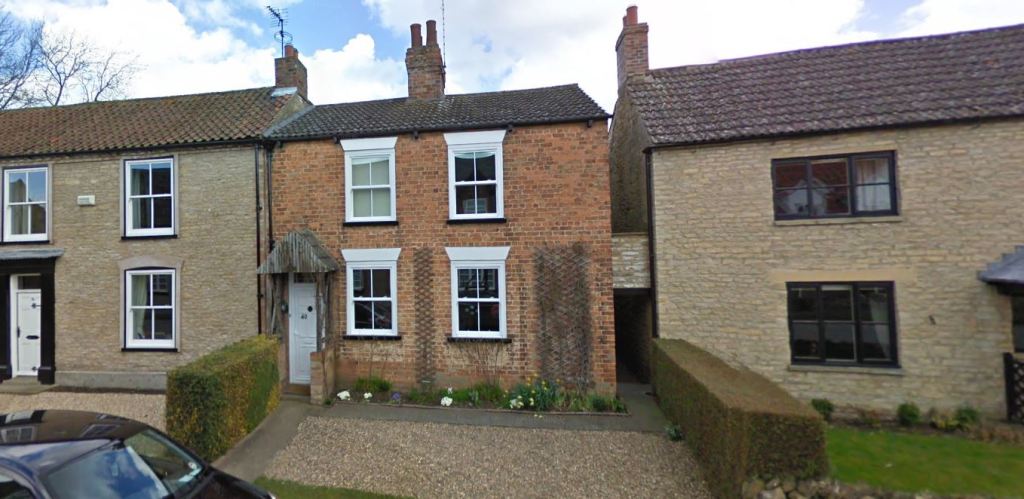
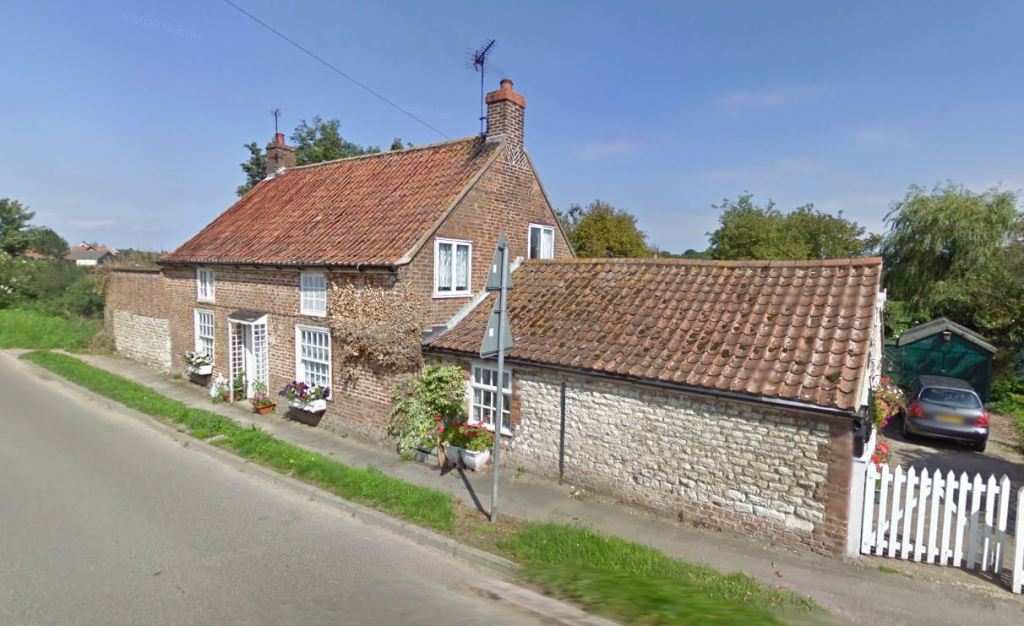
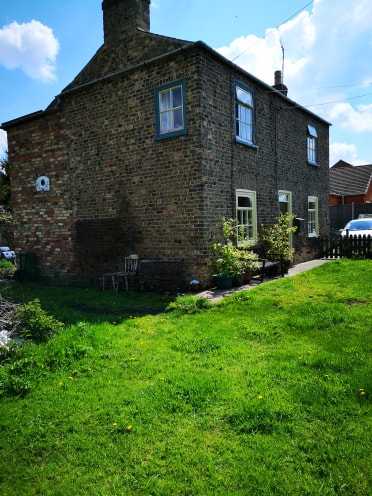
All three of which are a shame to lose it goes without saying, particularly as they are all fit for purpose. The Old Post office is in fact being encorporated into the neighbouring house, so the local authority will actually lose a dwelling.
The replacement housing comes straight out of the architects pattern book, to wit, three unique buildings will be gone forever.
 The Demolition Register