Former St Marys RC School, Batley
Proposal to demolish a former nunnery and school in Cross Banks Conservation Area, Batley:
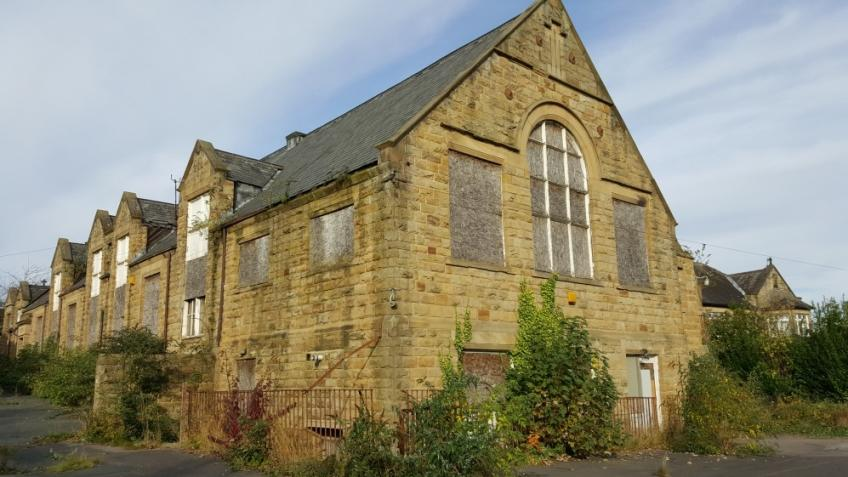
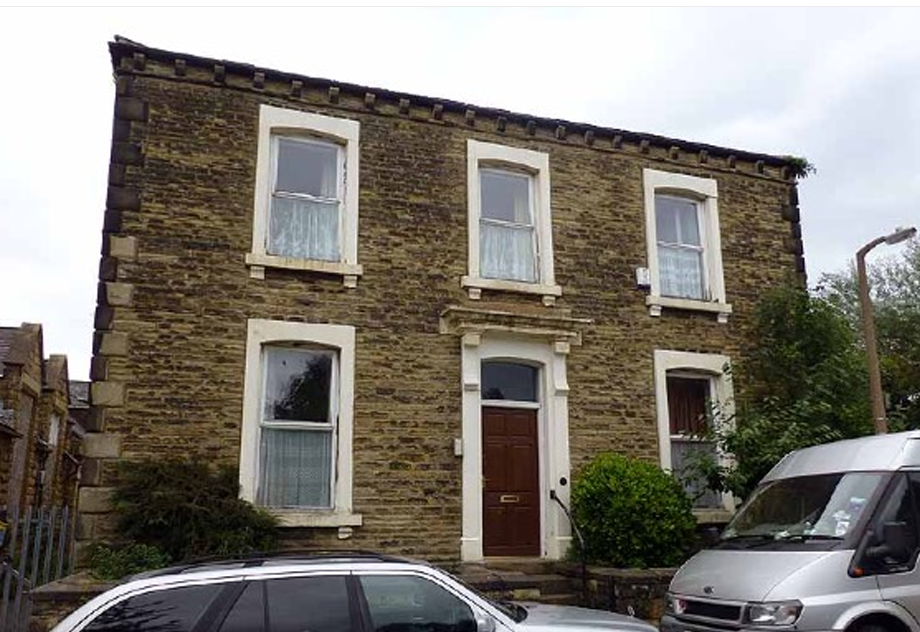
Demolition in a Conservation Area should be resisted unless the most urgent circumstances present themselves. Demolition can not be justified because of commercial interests, because by definition designated heritage assets are irreplaceable.
This is such a building. The extended school was finished in 1898, 30 years after the original school, and can not be considered a latter modern extension. It is a beautiful building, that is attached to adjacent listed church, which makes this cluster of buildings a unified campus.
The nunnery is even older and . As admitted to in the heritage statement, all the buildings add significant value to the heritage townscape and the frontage of Upton Street.
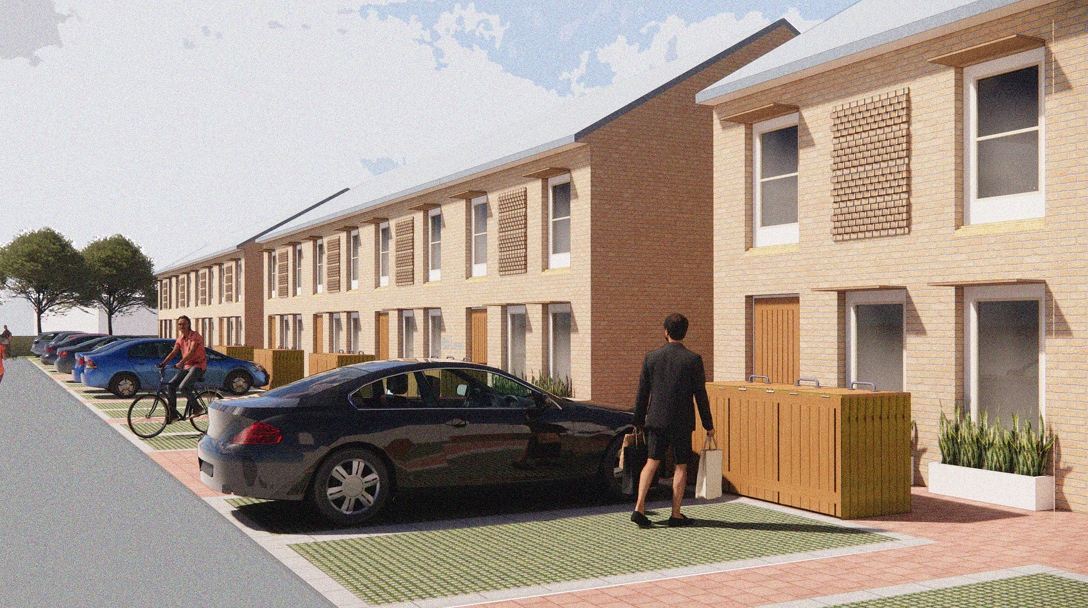
The proposed terraced row. Inappropriate for a conservation area
Troubling is the reference to extensive pre-application conversations that have been had out of the public eye, which have apparently established the principle of demolition already. Planning decisions can not be tacitly made prior to public engagement.
The number of ‘anonymous’ public comments supporting the proposal is also circumspect. I wouldn’t be surprised if the 18 anonymous comments were all made by the same party.
Sadly a crownfunding campaign didn’t make enough money to save the building, but it is a clear indicator of the civic importance the building holds for the people of Batley.
Much of the Cross Banks Conservation Area is a grave yard, and so the loss of these two buildings would see a significant amount of the Victorian fabric removed. If it goes ahead, I can not see how Conservation Areas offer any protection as a planning designation.
Aire Mills in Leeds to be demolished in full
A large industrial site is to be cleared for development on Kirkstall Road in Leeds:
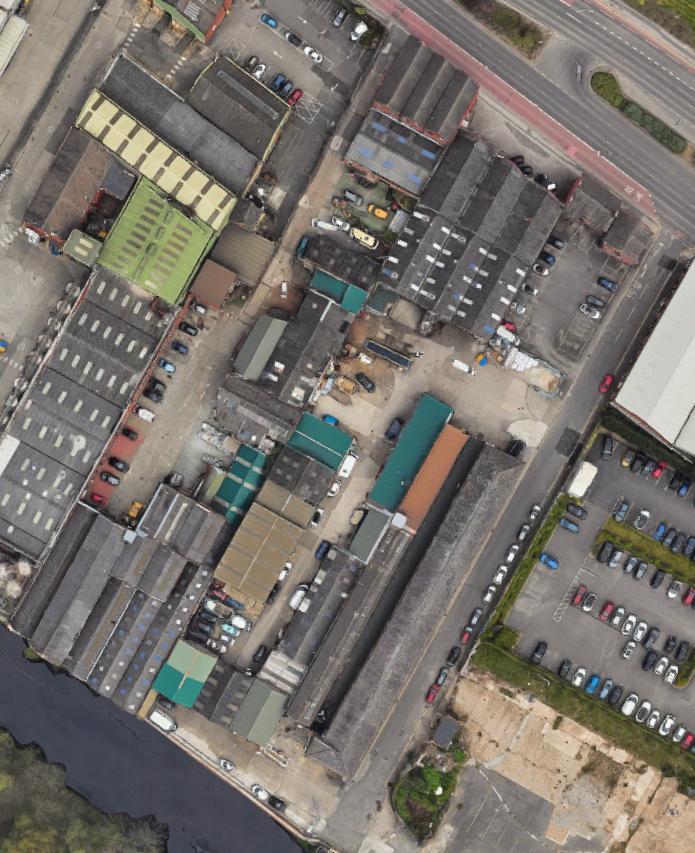
An extremely large industrial complex is set to be leveled on Kirkstall Road in Leeds. No plans for development have been made publically available yet, but I imagine there have been years of pre-application meetings with the Council effectively granting planning permission before the public or elected members can get a word in. This is a demolition notice, which is shrewd because it can not be refused.
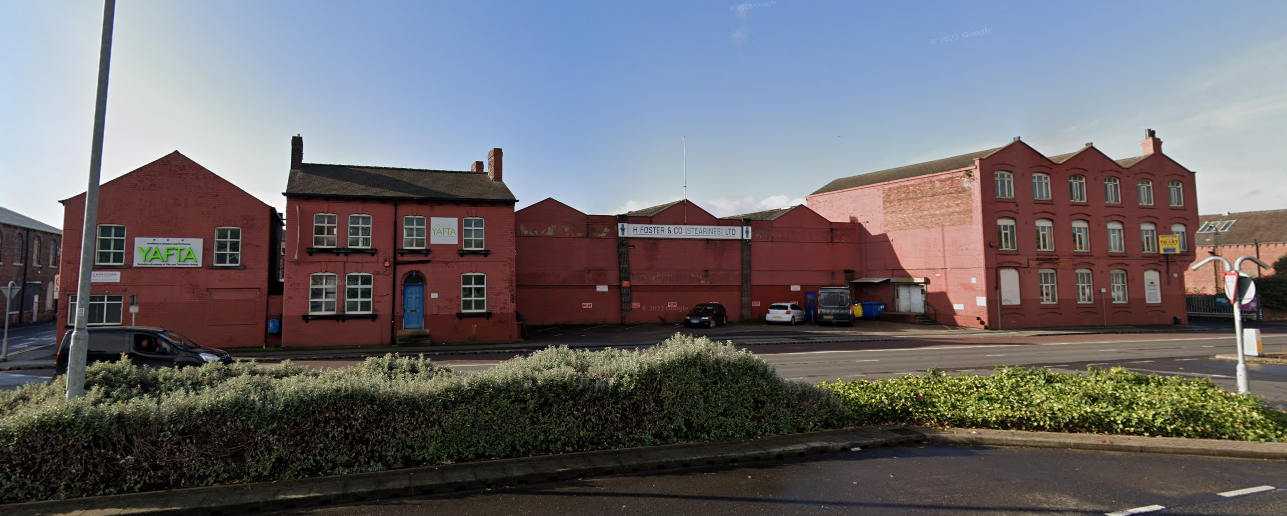
The removal of the Kirkstall Road frontage will be a severe loss to this area of Leeds, which I’ve previously documented has been denuded of nearly all its heritage. Despite 70 years of reformed urbanism that has demonstrated the value in heritage-led regeneration, this is the easier and quicker option.
The frontage shown above is a beatiful example of an industrial townscape, with a varying roofline and rhythmic intricate elevation that directly addresses the street. This quality of built form no longer exists and is rarely replicated in modern development.
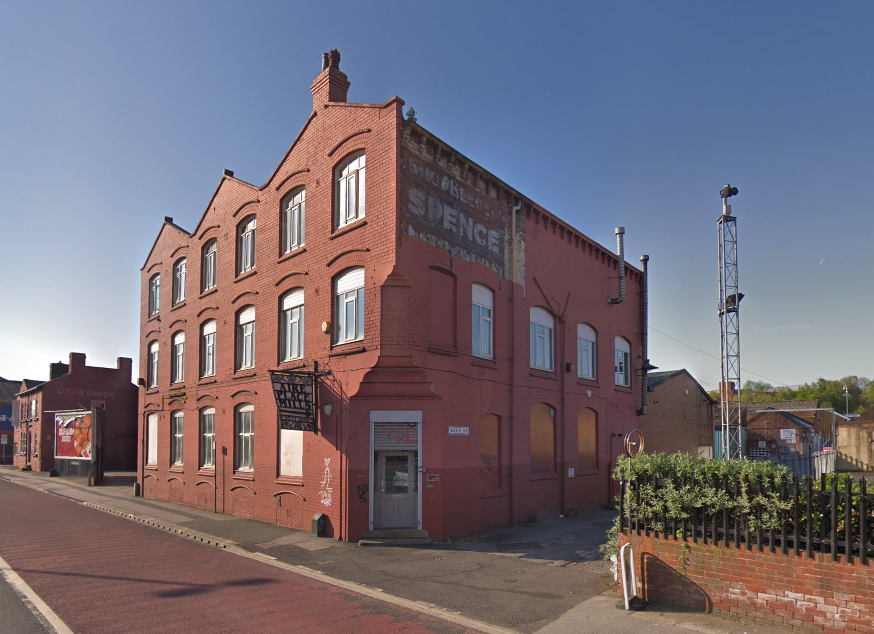
The above building would be perfect for residential conversion. There appears to be nothing structurally wrong with it, and it is a fine example of a modestly detailed Victorian building – modest, but not quite utilitarian.
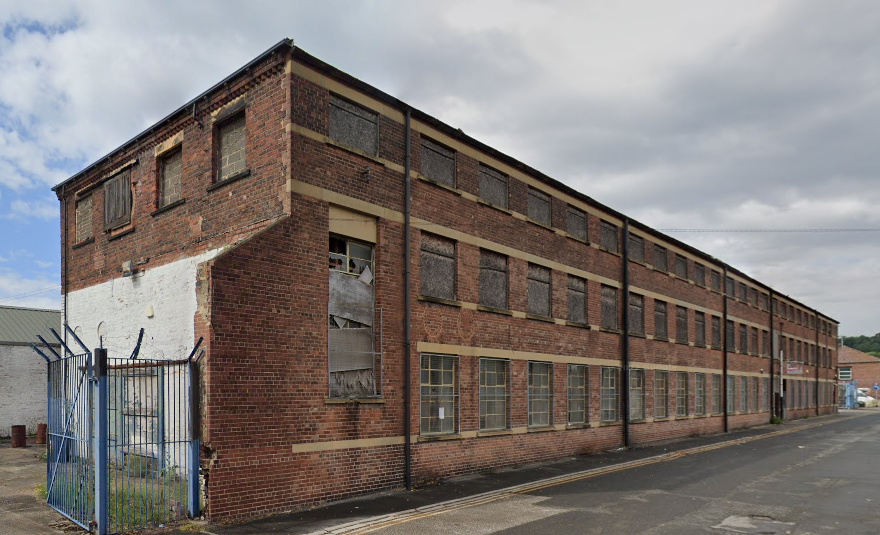
The elongate former tannery around the corner is not quite as pretty, but still would make for an excellent piece of repurposed industrial stock.

Also a shame will be the loss of the rear elevation which forms part of the canal’s retaining wall. This Venetian form of development will never be repeated again.
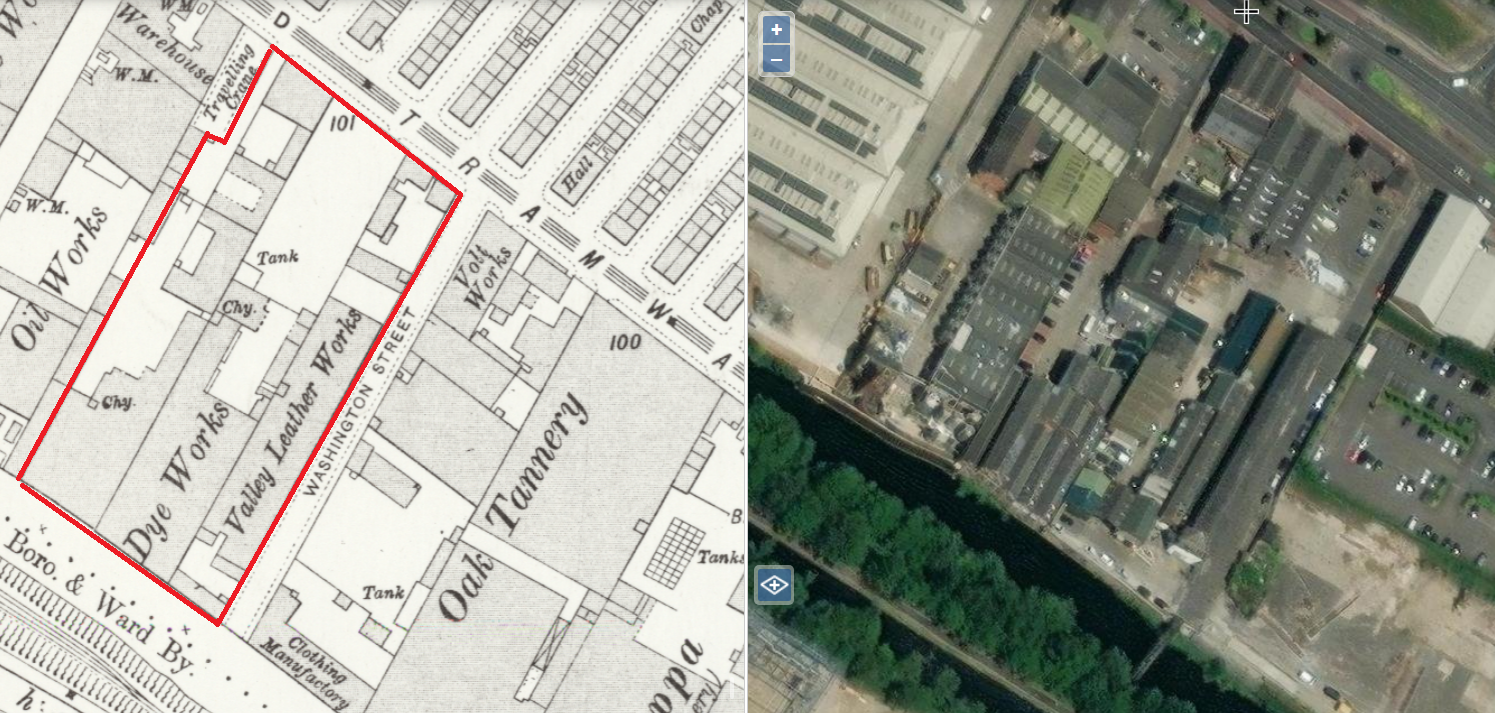
The turn of the century map shows that much of this building stock is Victorian, and represents Leeds’ gilded age. Without a spot listing nothing of this area will remain, and my guess is that the Council have already generated enough momentum with a development partner to ensure this will be swift and not subject to public scrutiny. Even more of a shame is the fact that I worked on a masterplan for this area many years ago, and central to this was a local heritage list. I suppose this never made it to adoption.
Terraced row, Sheffield City Centre
A charming terrace in Sheffield to be lost:
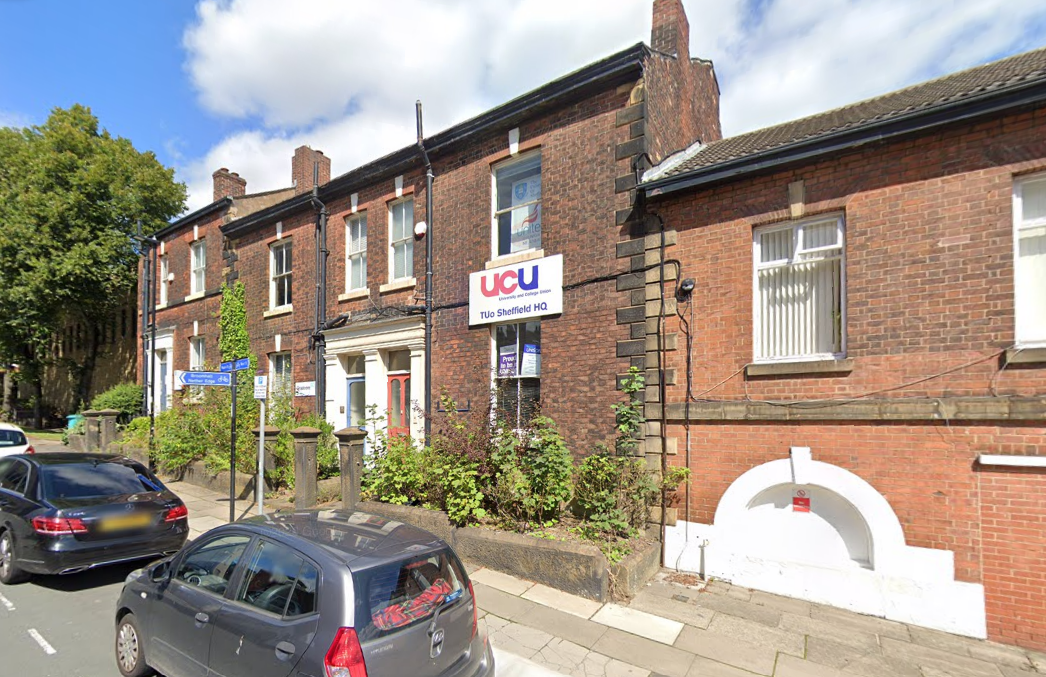
Swift and clinical. This was a prior notification so three weeks between submission and decision.
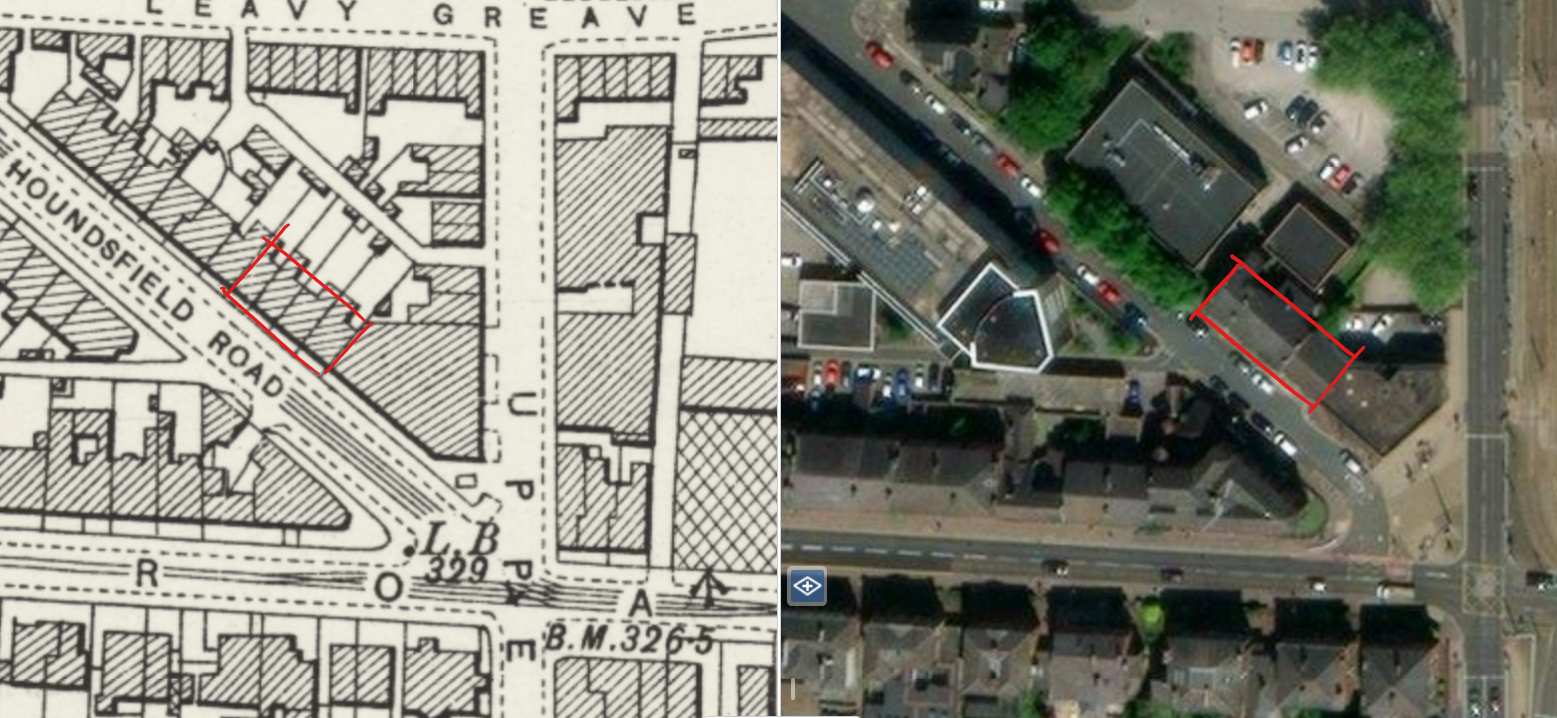
These houses appear to be of a very old South Yorkshire stock brick which mottles grey and red predating the mass movement of building materials on the railways. A perfectly serviceable cluster of terraced houses in the University’s portfolio, this must relate to the substation to the rear where back gardens should be. Bigger vehicles, more access needed.
A beautiful stagger of a building line, the correct amount of asymmetry. Was it designed like that or was it all incidental? Who knows – its a lost art.
The three foot high arch to the right is an enigma. Some urban archaeologist could explain it I’m sure. They were never that short in Sheffield.
The Prospect pub, Bradford
Beautiful stone pub to be demolished in Bradford:
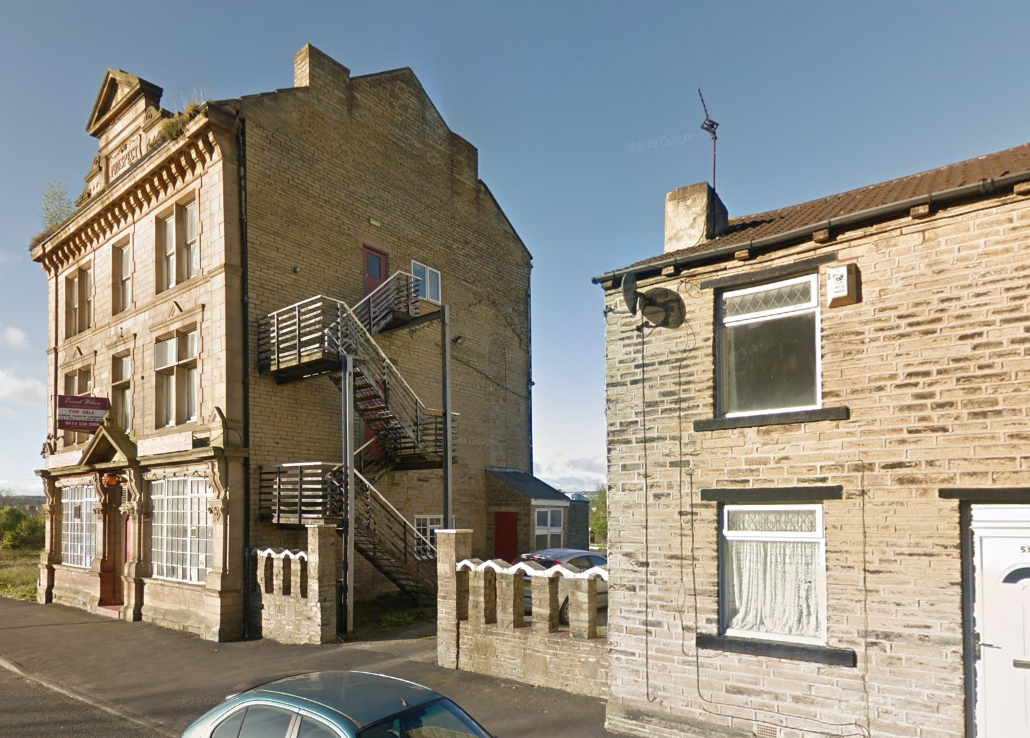
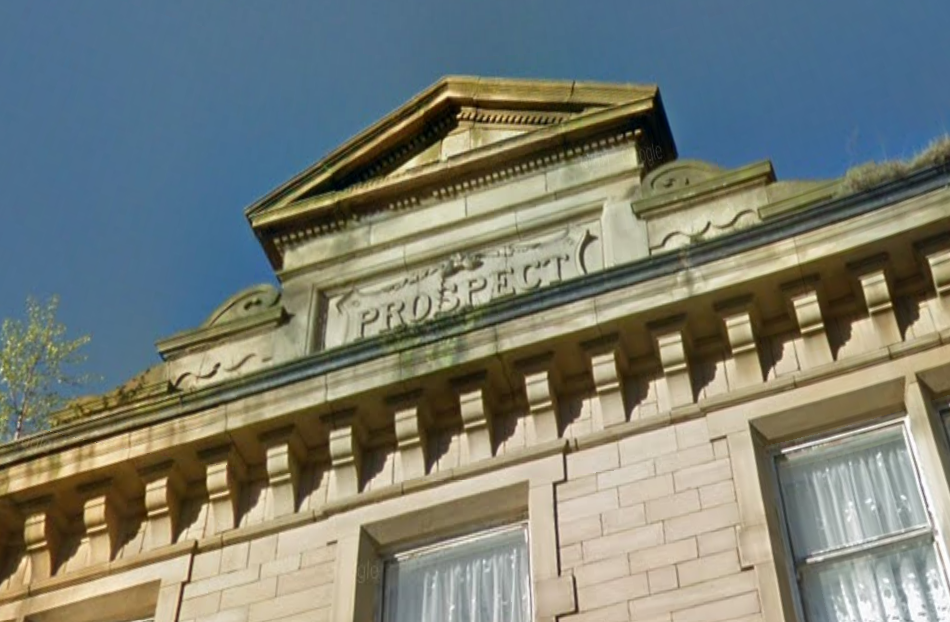
I can’t stress this enough. Just keep the pub. The proposed plans submitted have nothing on the footprint of the former Prospect, so why demolish it? Bradford Council Conservation Officers, this is why you’re there. A non-designated heritage building and an asset of social value, but no justification for its loss. No public benefit. No net gain in dwellings. Step in.
This is an extremely beautiful Victorian building, stemming from an urban tradition that anticipated neighbours, hence the unadorned potential party walls to the sides. This was built in Bradford’s gilded age, when the city had aspirations for an urban culture tantamount to Rome.
The proposal, regardless of the iconoclasm, is a design that says nothing of or to Bradford. The design and access statement goes heavy on the heritage analysis, yet concludes with the gesture of retaining the pelmet, possibly in the garden somewhere.
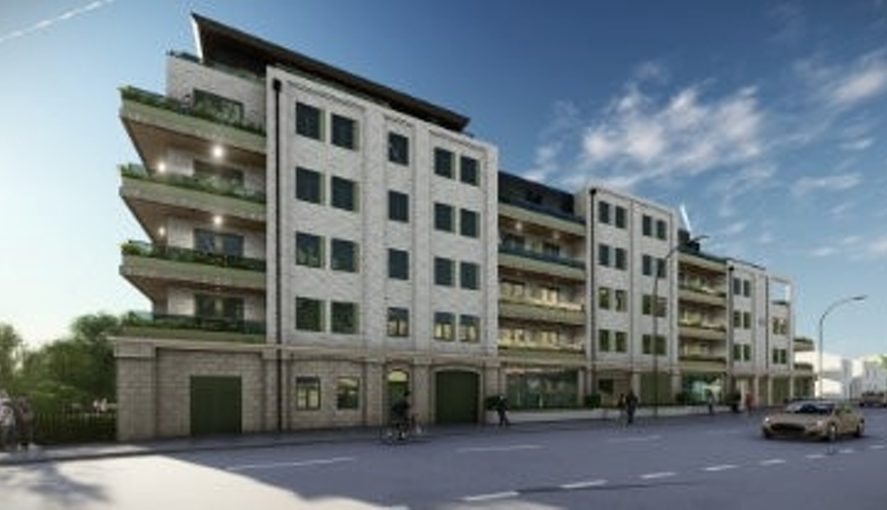
And the flanks have windows. unlike the pub, they don’t invite neighbours to come and join them in the creation of a high street.
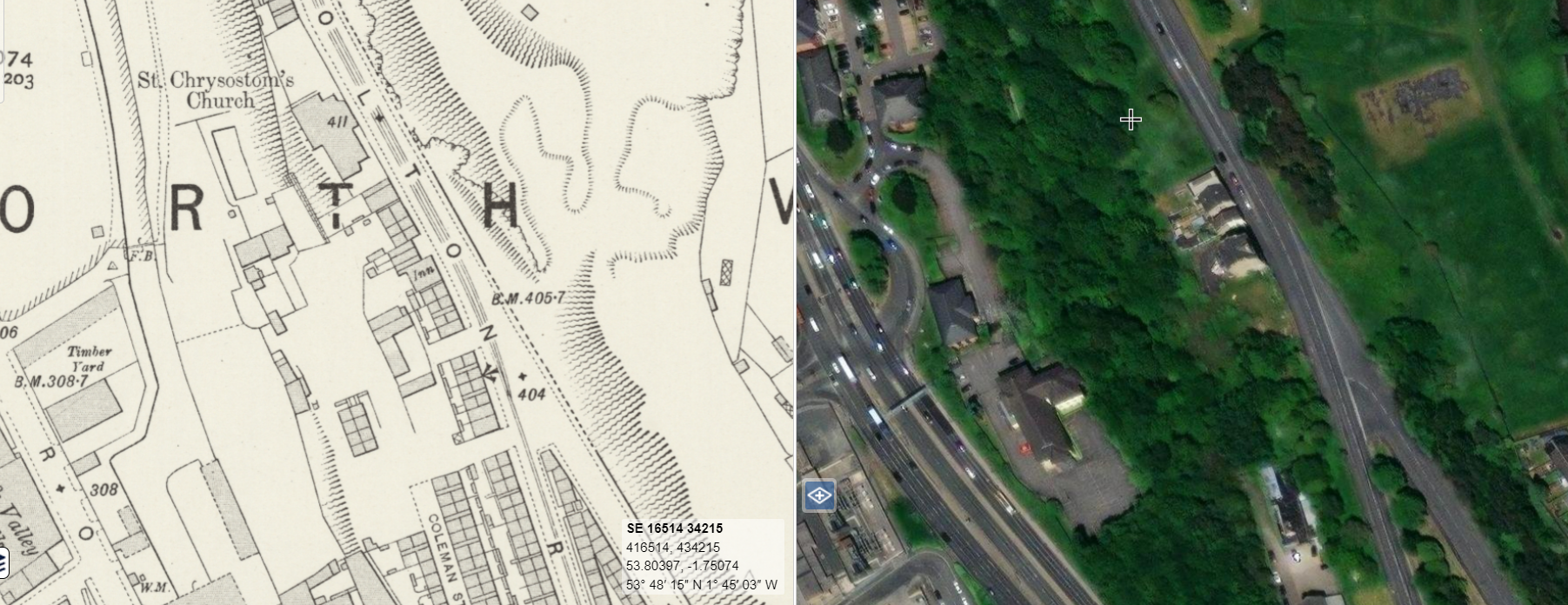
Trams, pubs, industry, houses – an urban street in Bradford, eroded to nothing.
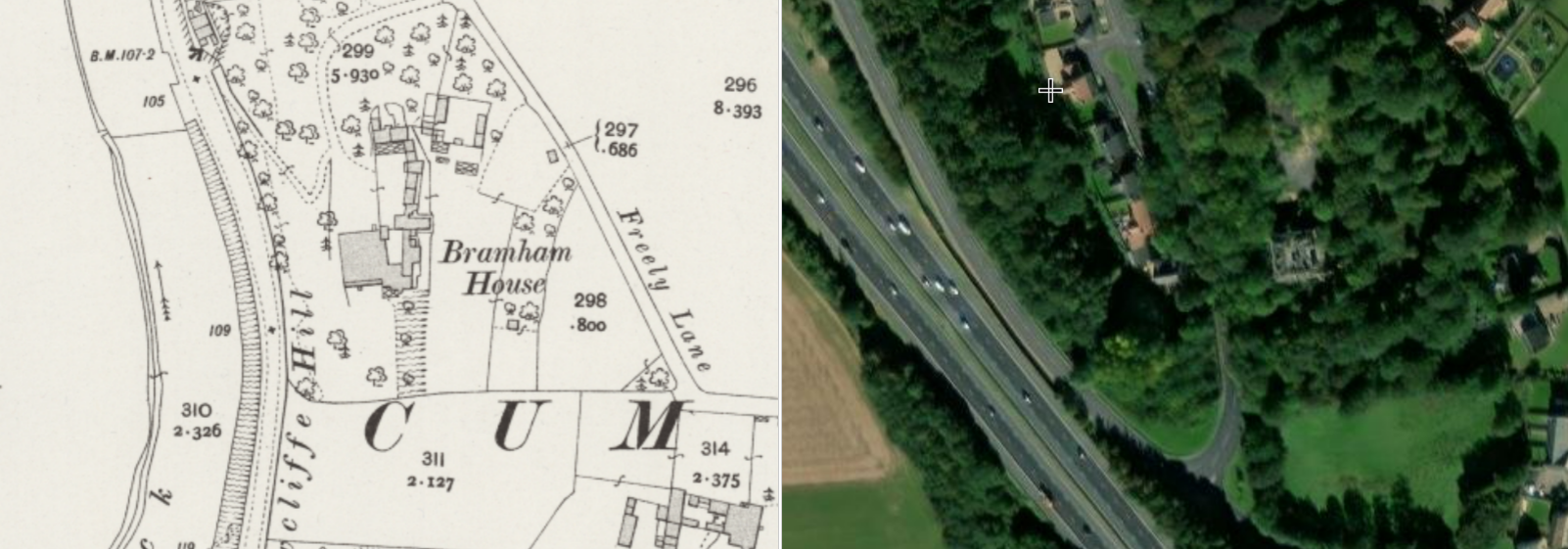
Bramham House, near Leeds
19th century manor to be demolished for housing:
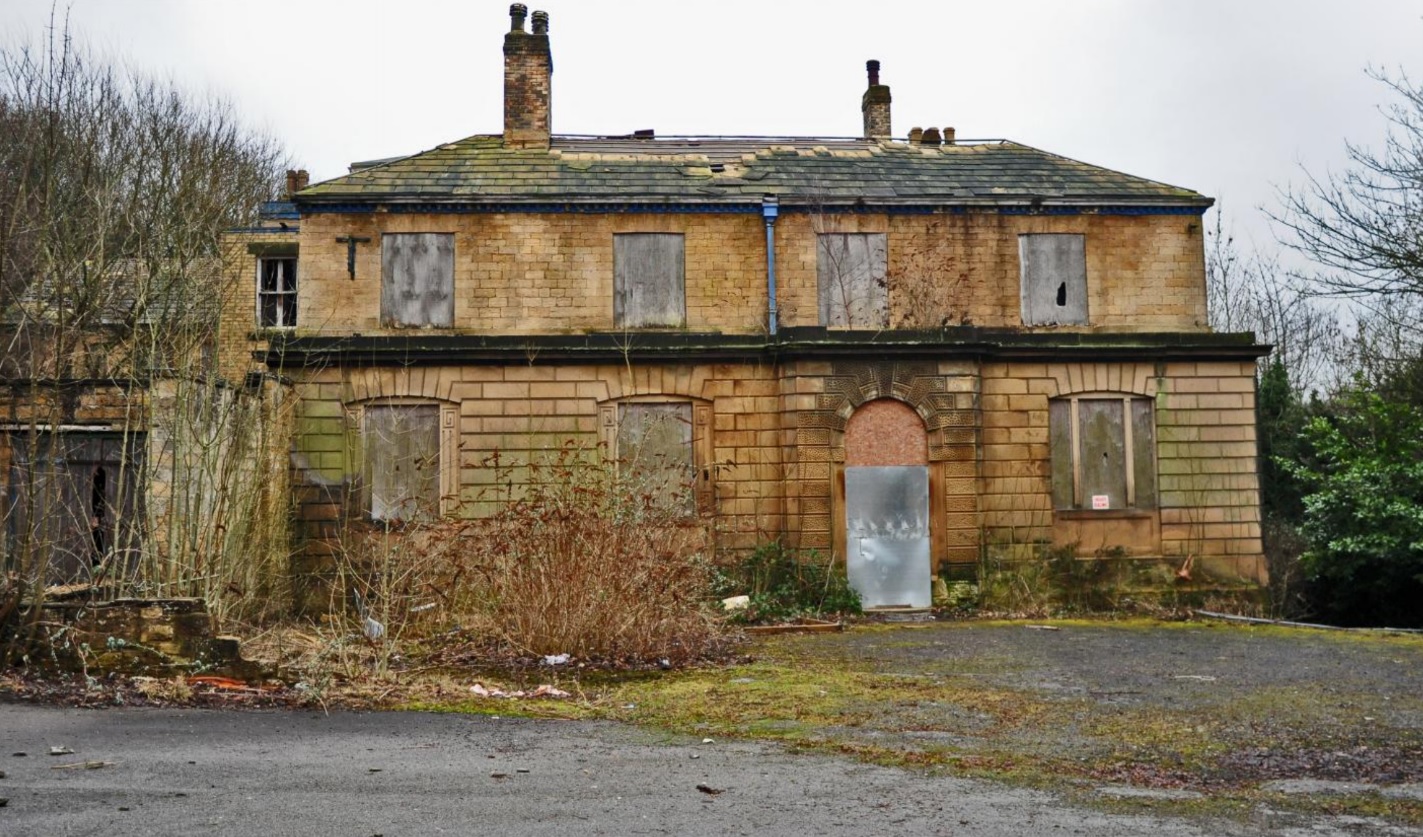
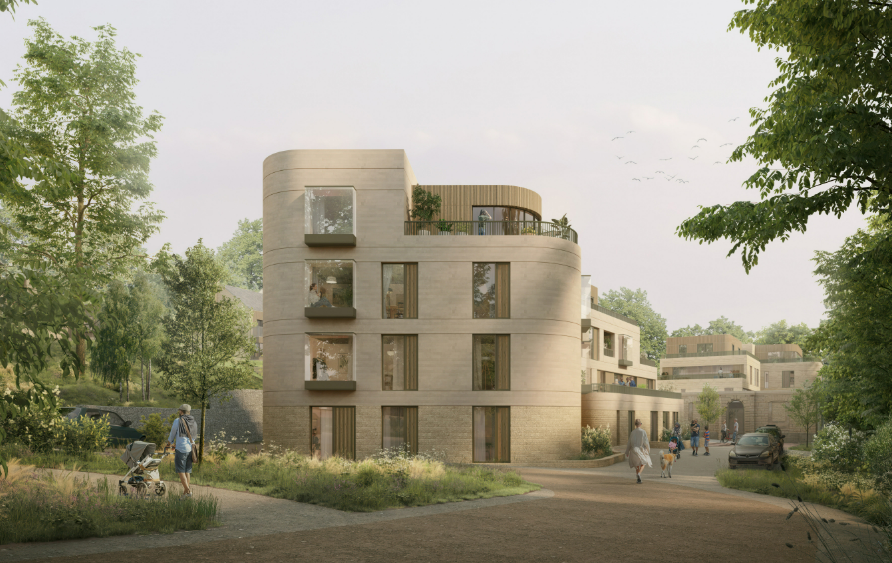
Bramham House, built in 1806 remains unlisted, and has fallen into a state of dilapidation. An application for housing development has been received by Leeds Council, that would involve the demolition of the building with the exception of the ground floor front elevation which would be incorporated into the new housing.
Incredibly sad to see a house of this age fall apart and ultimately become unfeasible for restoration. I hope this wasn’t the preferred strategy of the owner, as there are scores of similarly neglected houses in the UK, and there is a duty of care to look after these historic places.
Nonetheless, the proposed housing is impressive in design terms (although that may just be the eye-catching renders). Residential housing design has to move forward and this feels like the heritage of the future in the making.
Still, I’d rather see the building restored and incorporated into the development.
Grade II listed Cargill Works, Hull
Application for the demolition of various buildings within a listed industrial complex in Hull:
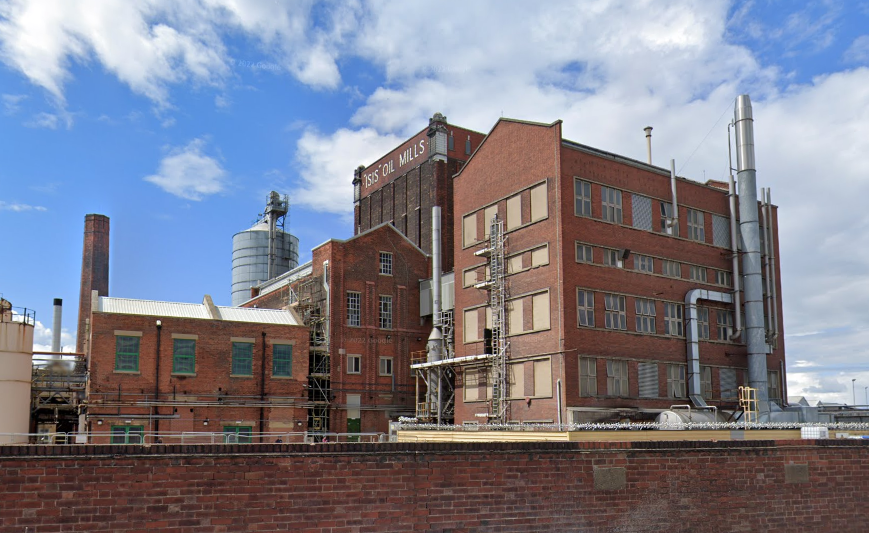
Extremely ambiguous plans have been submitted with a number of options for the removal of the listed buildings shown in the image above. Various options for thinning out the site have been put forward, the most comprehensive of which would see the entire site cleared.
This is the Cargill Works, formerly a major processing plant for seed oils, the largest of the buildings being an oil silo. The buildings are Grade II listed due to their historic relevance to the industrial history of Hull.
We have seen similar storage buildings re-purposed for successful cultural regeneration, such as the Baltic in Newcastle. A similarly scaled building in Brighouse is now the highest rock clibing wall in the country. Demolition should be minimised to any dangerous tanks and external plant. The Chimney, and surrounding brick buildings could be retained and brought into a new use, complementing the central silo.
Low Hall Mills, Holbeck, Leeds
One of Holbeck’s last mills to be demolished:
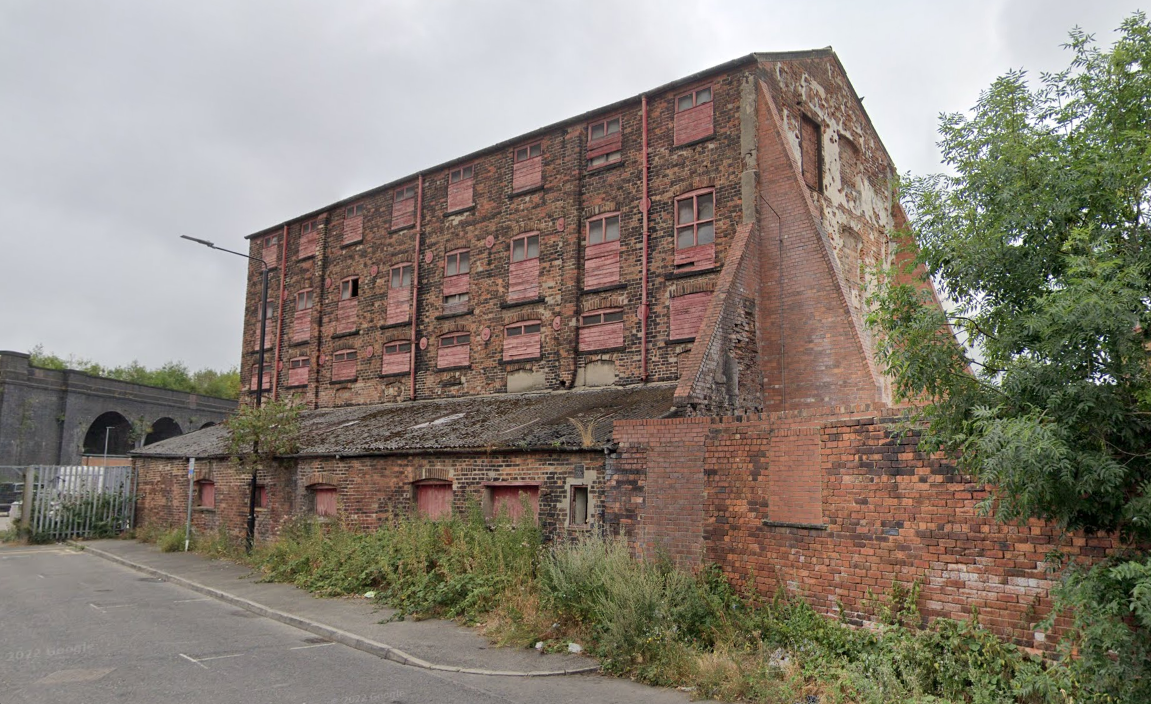

We are truly down to the last few remnants of old Holbeck now. One of the last remaining clusters of the old red brick industry of South Leeds for miles around looks like it will be lost. Lessons learned from the successful heritage-led regeneration of Water Lane in the South of the City would hopefully convince the Council that they should fight for this building and bring together a masterplan.
The building is in a conservation area, and to their credit, Leeds Council’s heritage team strongly oppose this demolition. Indeed the very shape of the conservation area has clearly been mapped out to include all of the remaining Victorian Stock Holbeck. To ignore the designation would be malpractice.
Roughly dating from circa 1827 this former flax mill has eolved to include some impressive strutural buttresses that have resulted in a unique form. A testament to a lost culture of modifying buildings rather than flattening them.
It would cost a lot to regenerate this building as a residential development, but it has been done successfully (and profitably) with Hunslet Mills on the canal.
I sincerely hope this application is resisted.
The Cricketers Arms, Keighley
Plans from Aldi to knock down a previously saved pub:
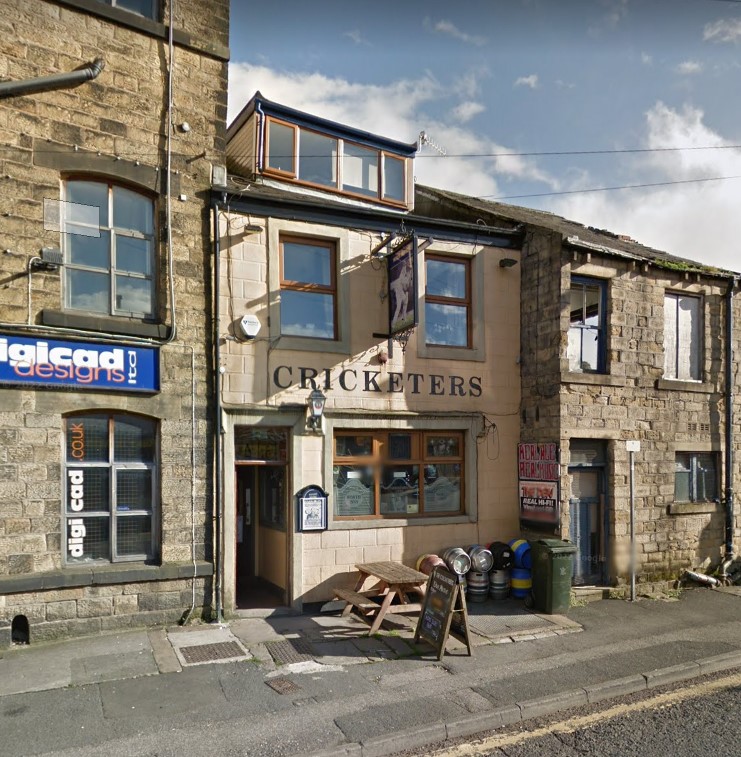
An extremely cute back alley pub in Keighley is to be dropped by Aldi, who have assembled a swathe of land in the area to provide a huge surface car park for their second store in Keighley Town Centre.
The pub closed and has been deemed unviable. I’d argue that when Aldi want to buy your pub, you will do what it takes to demonstrate it is unviable.
The pub was squeezed in between a mill (now gone) and a terraced row. Blink and you miss it. Its exactly the sort of place you’d discover serendipitously on a wander, and add it to your mental map of the town’s cultural circuit.
A lot of effort previously went into retaining this pub, and it is a shame that all that work will have been for naught. Another nail in the coffin of Yorkshire’s culture, and sadly one of hundreds like it nationally.
West Grove House, Bramley, Leeds
Victorian mini-mansion to be demolished for 8 houses in Bramley:
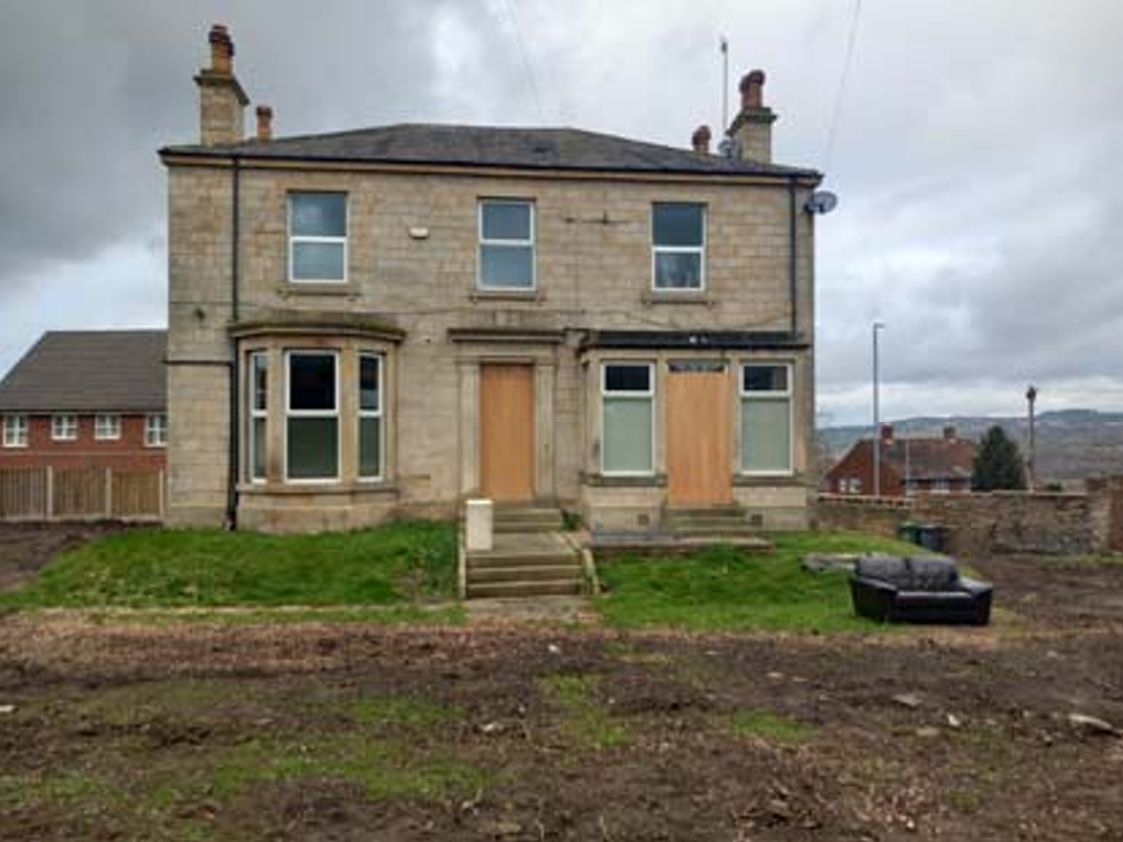
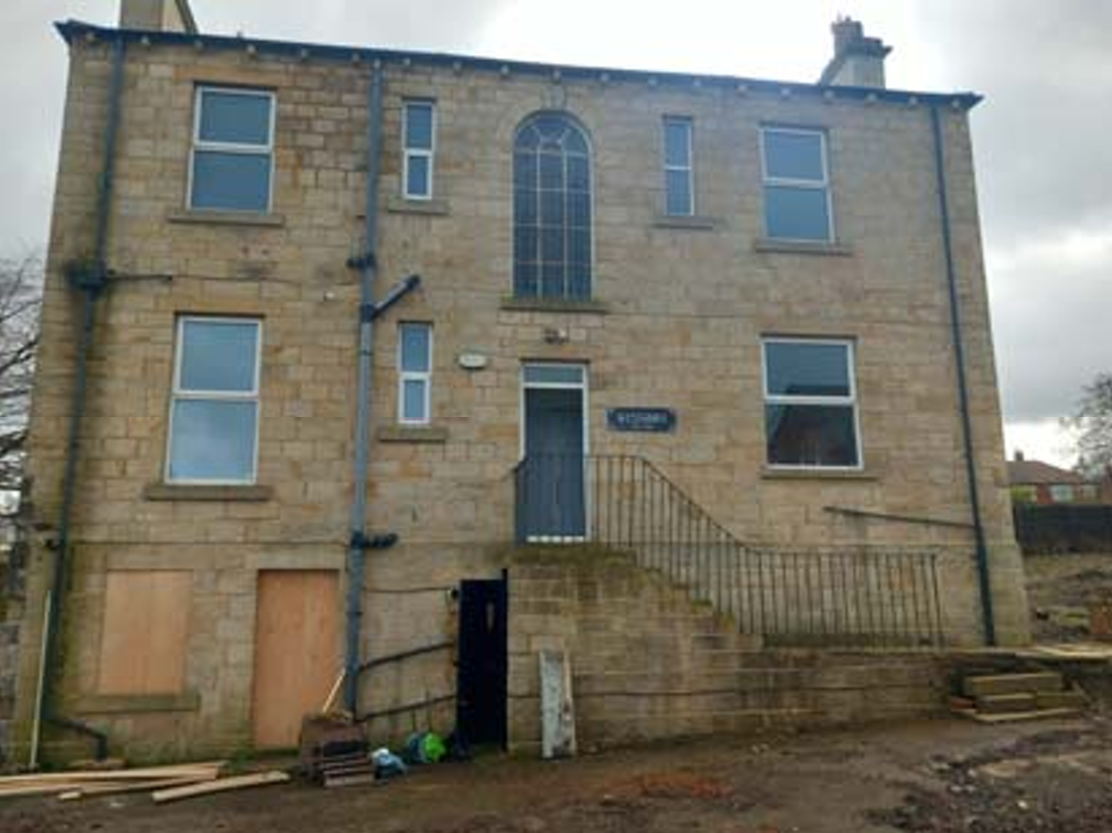
Looking at this historic maps of Bramley, this would appear to be West Grove House, which somehow survived the suburbanisation en-mass of Bramley. As such the house now sits within a matrix of semi-detached red brick former counsil housing behind high hedges and an estate wall.
I doubt this house would make it to Heritage England’s list, and with no heritage status the application is likely to be successful.
It seems odd that this is exactly the type of villa the high-end bespoke developers are trying to emulate with their new builds. Is it worth sacrificing for a net gain of 8 dwellings? Probably not. Conversion into flats would offer a similar return, and the grounds are large enough to develop a couple more units.
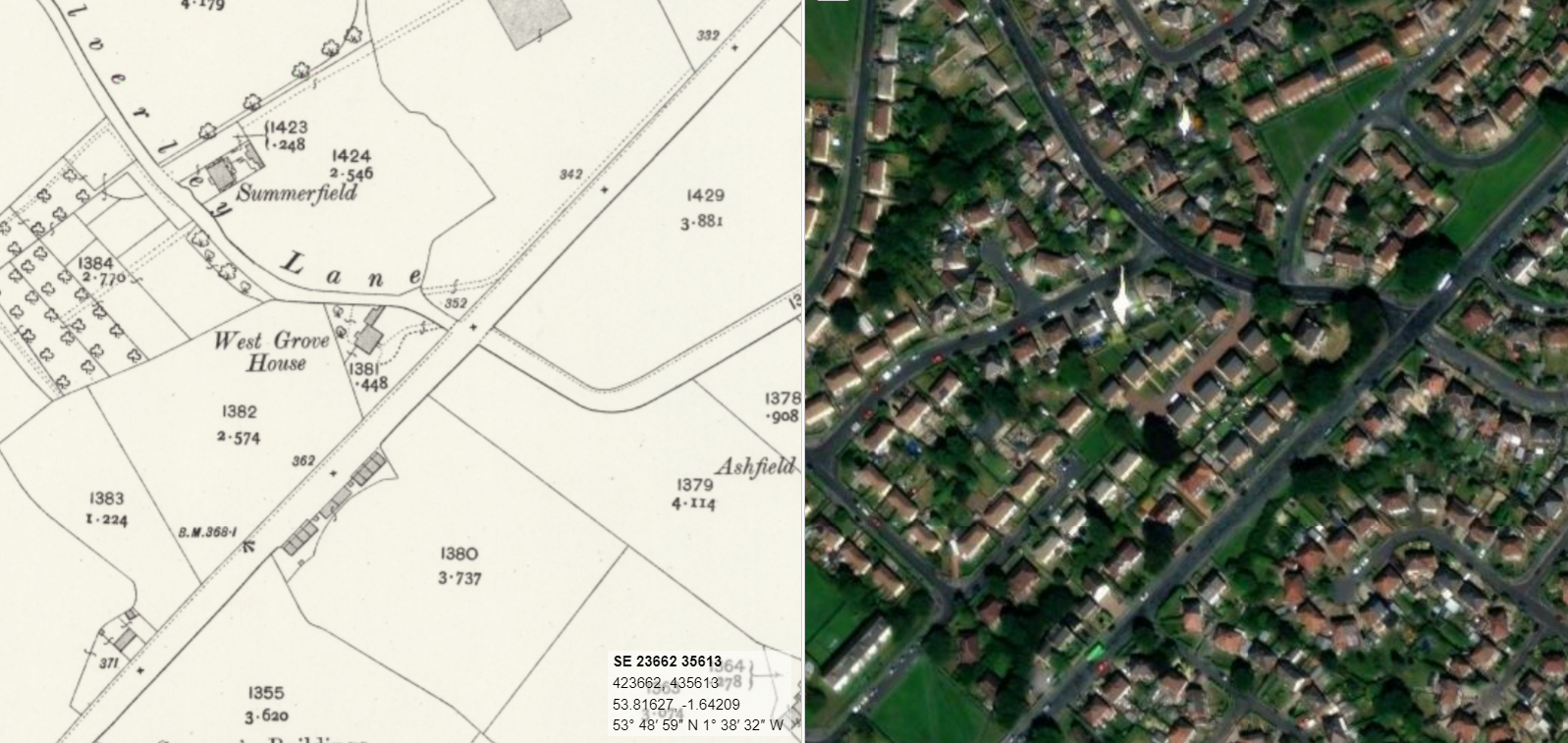
West Grove House, as a country villa, and latterly subsumed into the suburb of Bramley. Source NLS
Victorian Buildings in Leeds’ South Bank
More of the scarce few heritage buildings are to be lost for the regeneration of Leeds’ South Bank:
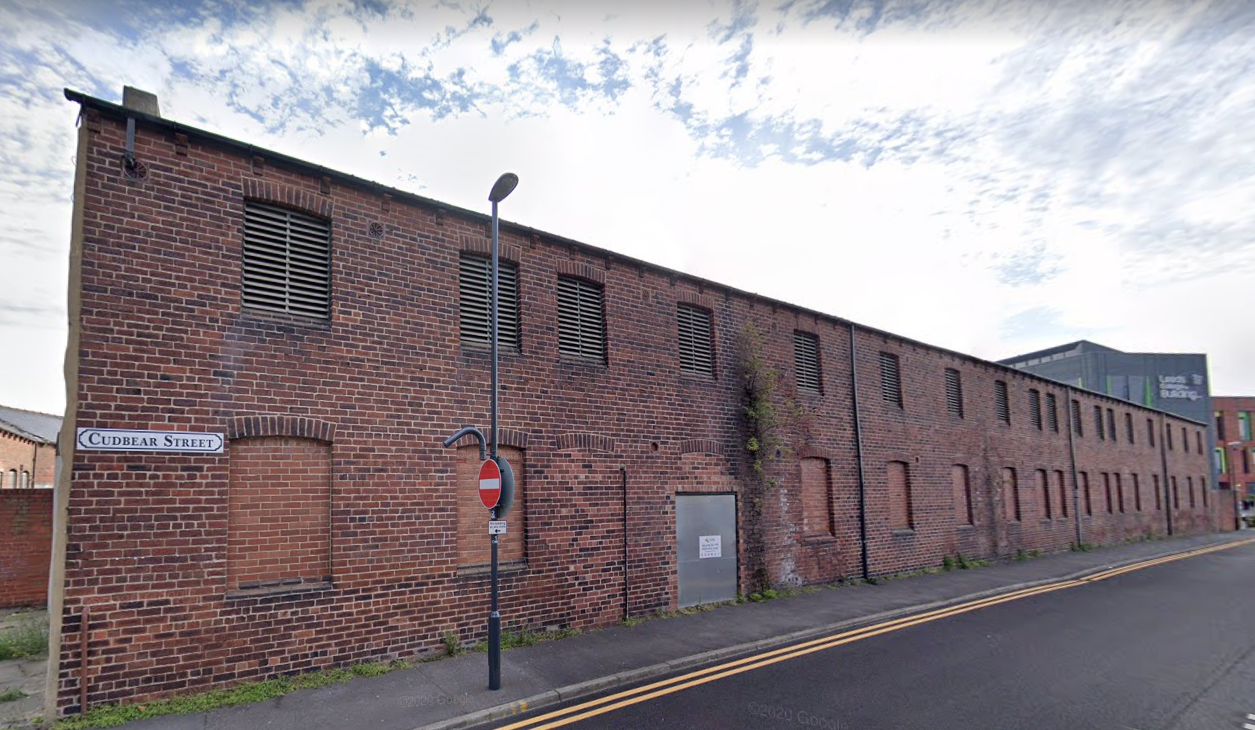
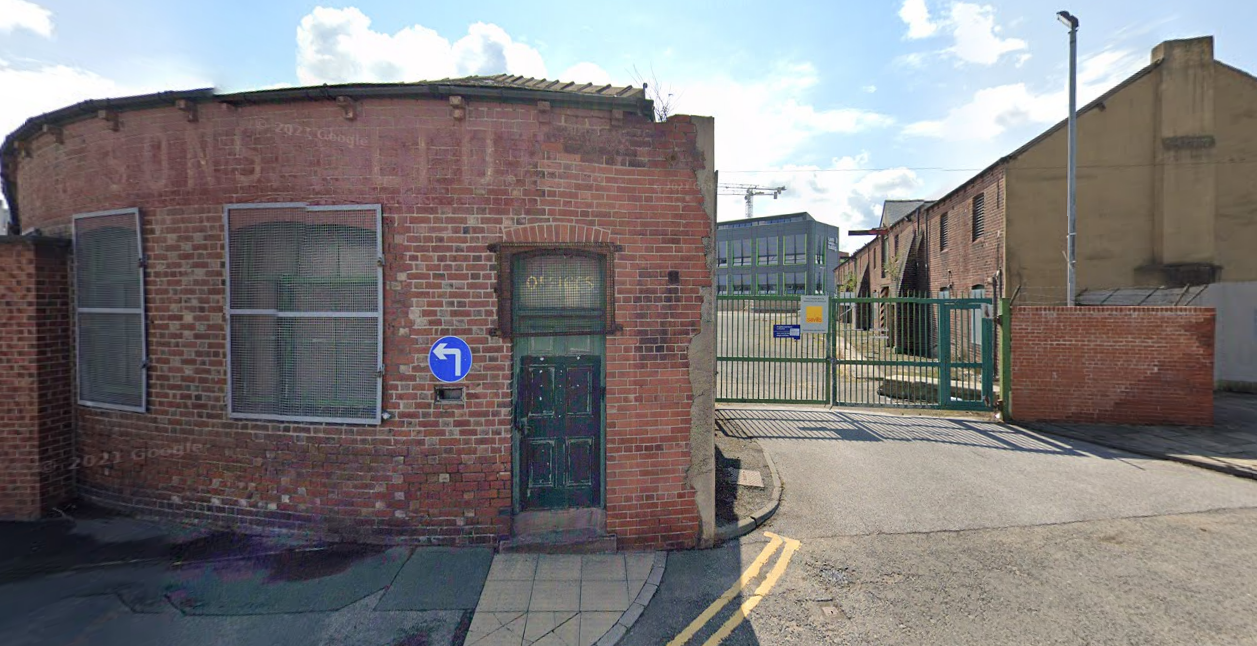
By no means are these buildings of any particular merit, but they are the last few remnants of the industrial past of Holbeck, and should be used as a nucleus for the ongoing regeneration of the South Bank in Leeds, which is the largest regeneration project in Europe.
To denude the entire site (which is the size of the existing City centre) of any buildings that link to the past will make it impossible for any new development to inherit an identity. Just around the corner in Holbeck Urban Village is a great success story predicated on heritage-led regeneration. These are the buildings that micro-breweries and vegan cafes want to occupy.
This application follows a similar one from last year which saw another Victorian block removed. This was a natural cultural nucleus of what will be a massively dense and populated urban quarter. The site of the old brewing industry for the city, it means a lot to Leeds, and these few remnants should be integrated into the modern urban form that will emerge.
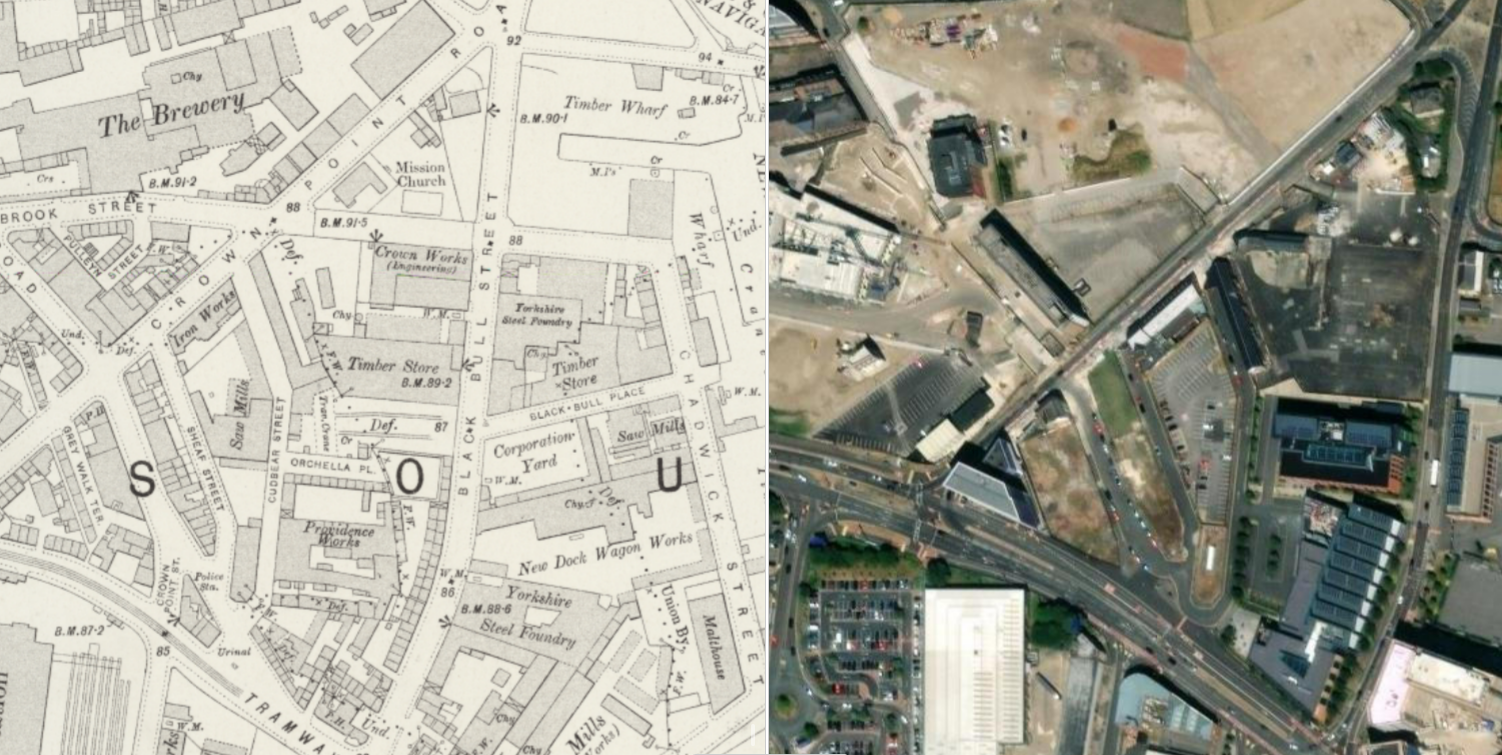
There really isn’t much left of the Victorian building stock in the South Bank. Source NLS.
 The Demolition Register