West Grove House, Bramley, Leeds
Victorian mini-mansion to be demolished for 8 houses in Bramley:
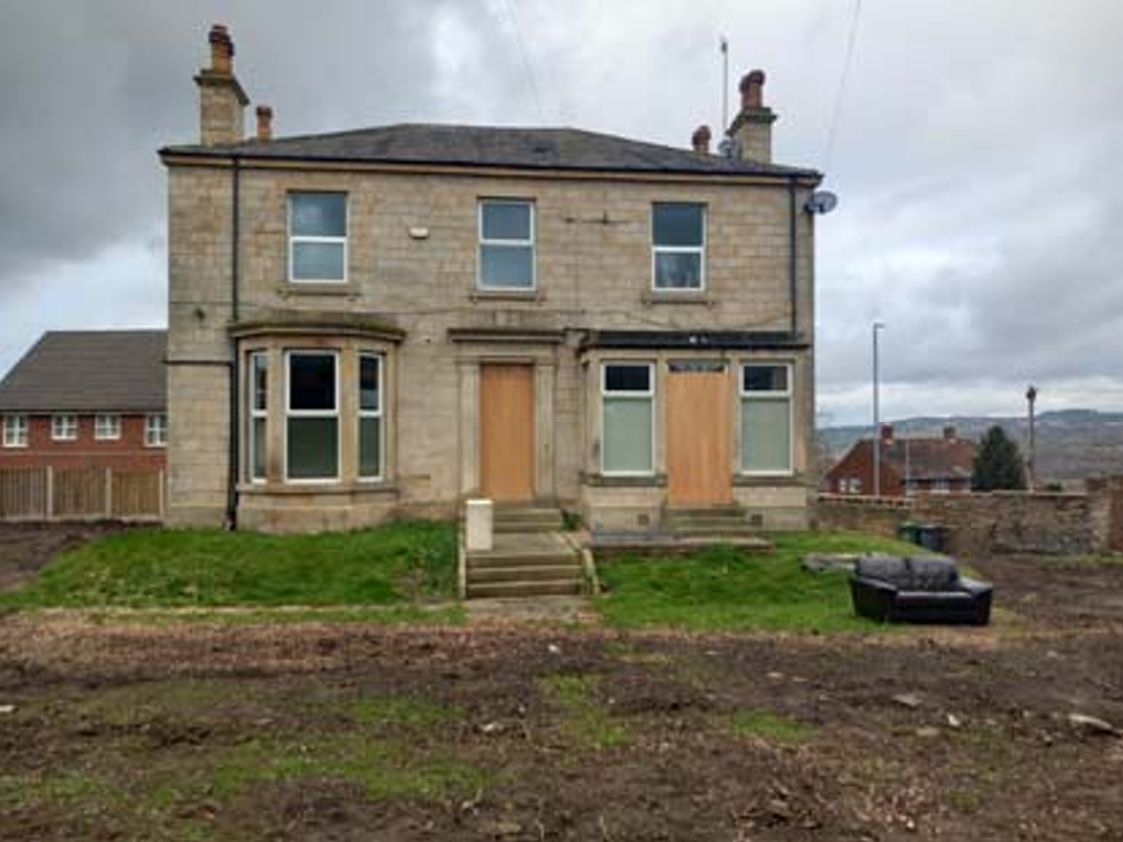
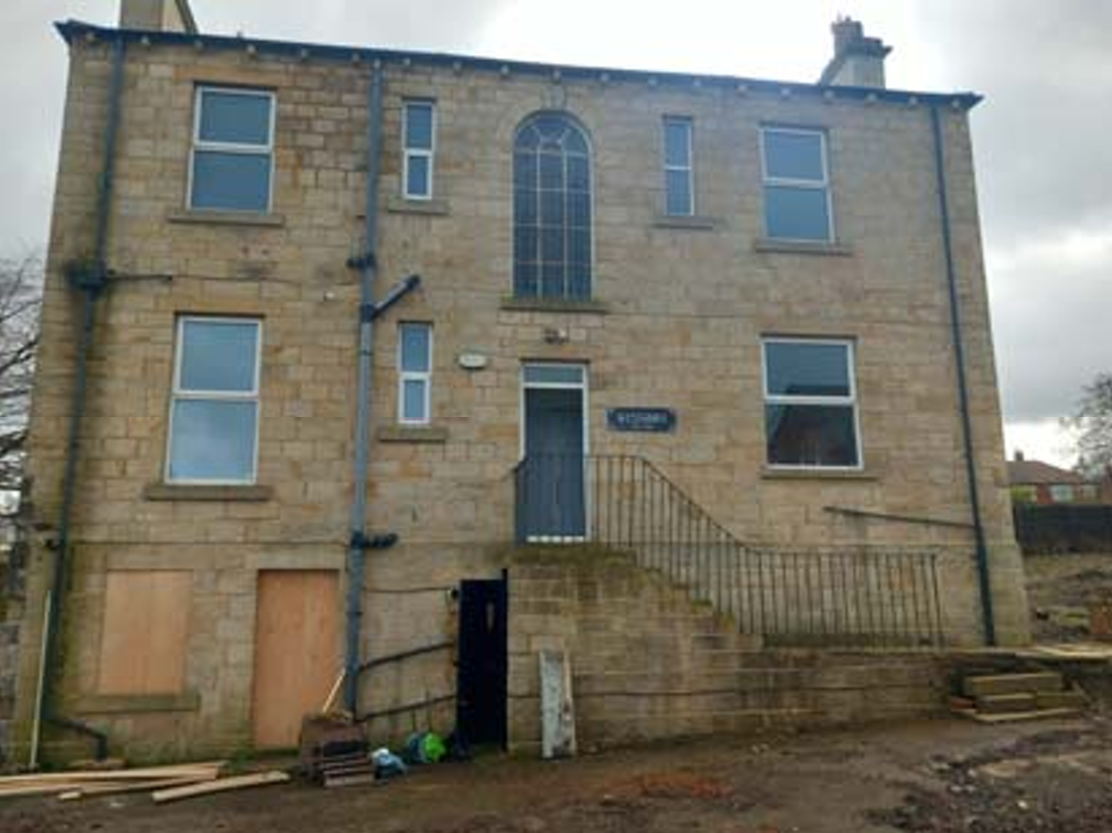
Looking at this historic maps of Bramley, this would appear to be West Grove House, which somehow survived the suburbanisation en-mass of Bramley. As such the house now sits within a matrix of semi-detached red brick former counsil housing behind high hedges and an estate wall.
I doubt this house would make it to Heritage England’s list, and with no heritage status the application is likely to be successful.
It seems odd that this is exactly the type of villa the high-end bespoke developers are trying to emulate with their new builds. Is it worth sacrificing for a net gain of 8 dwellings? Probably not. Conversion into flats would offer a similar return, and the grounds are large enough to develop a couple more units.
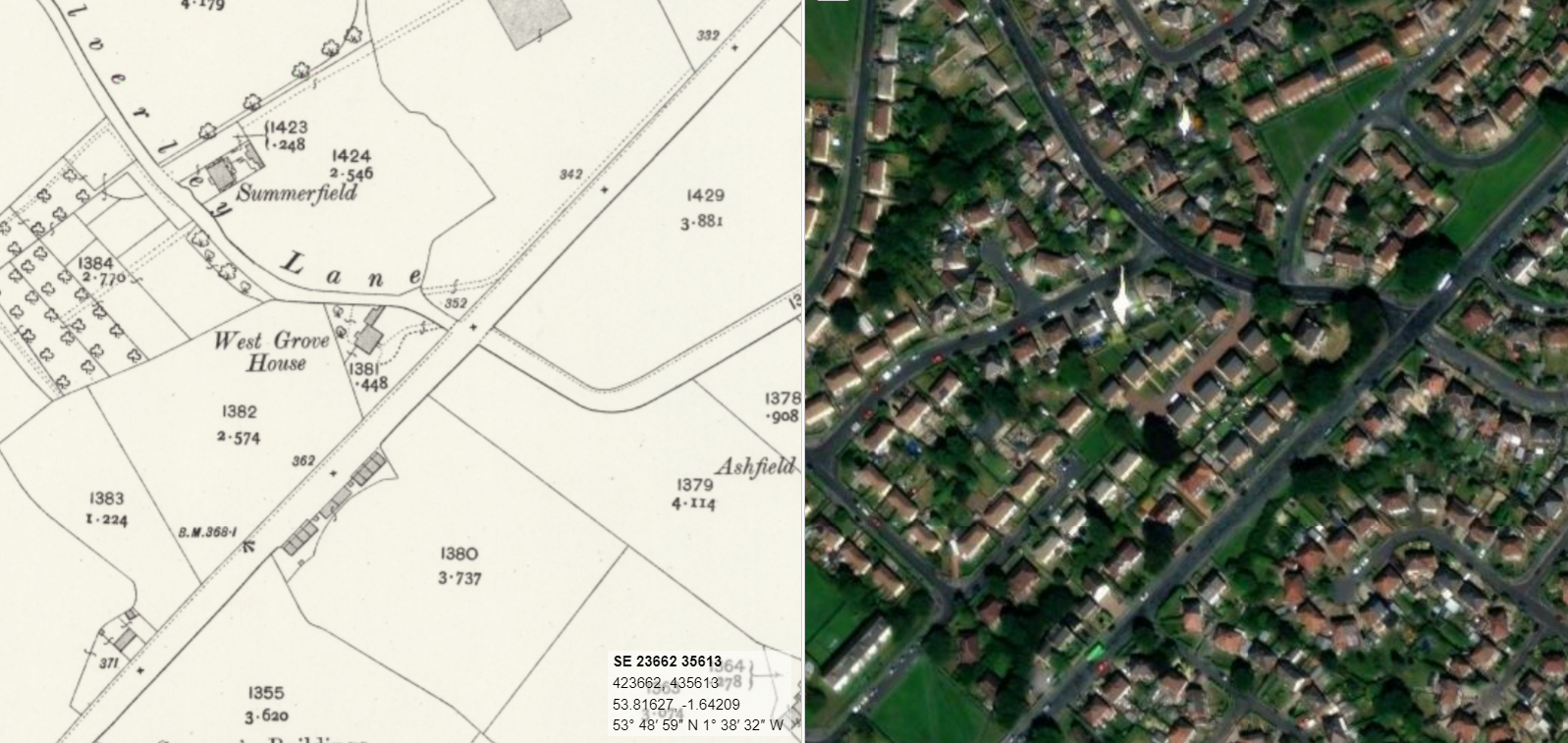
West Grove House, as a country villa, and latterly subsumed into the suburb of Bramley. Source NLS
Victorian Buildings in Leeds’ South Bank
More of the scarce few heritage buildings are to be lost for the regeneration of Leeds’ South Bank:
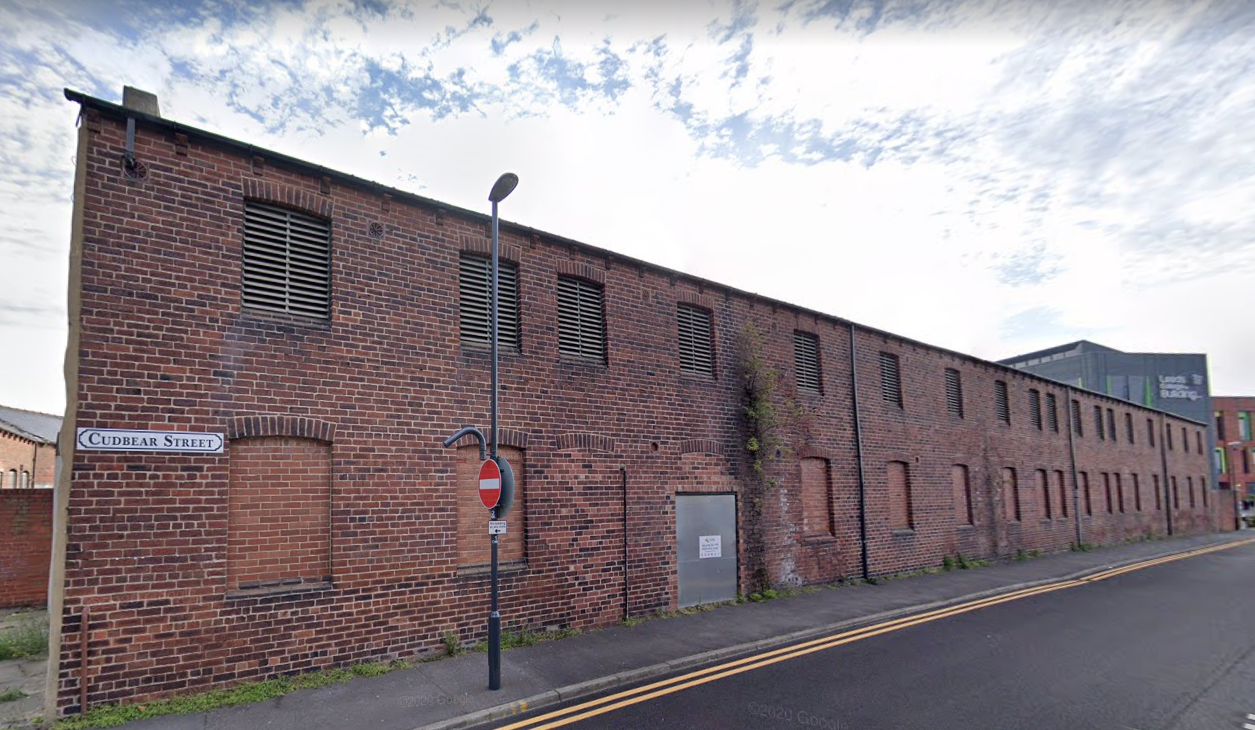
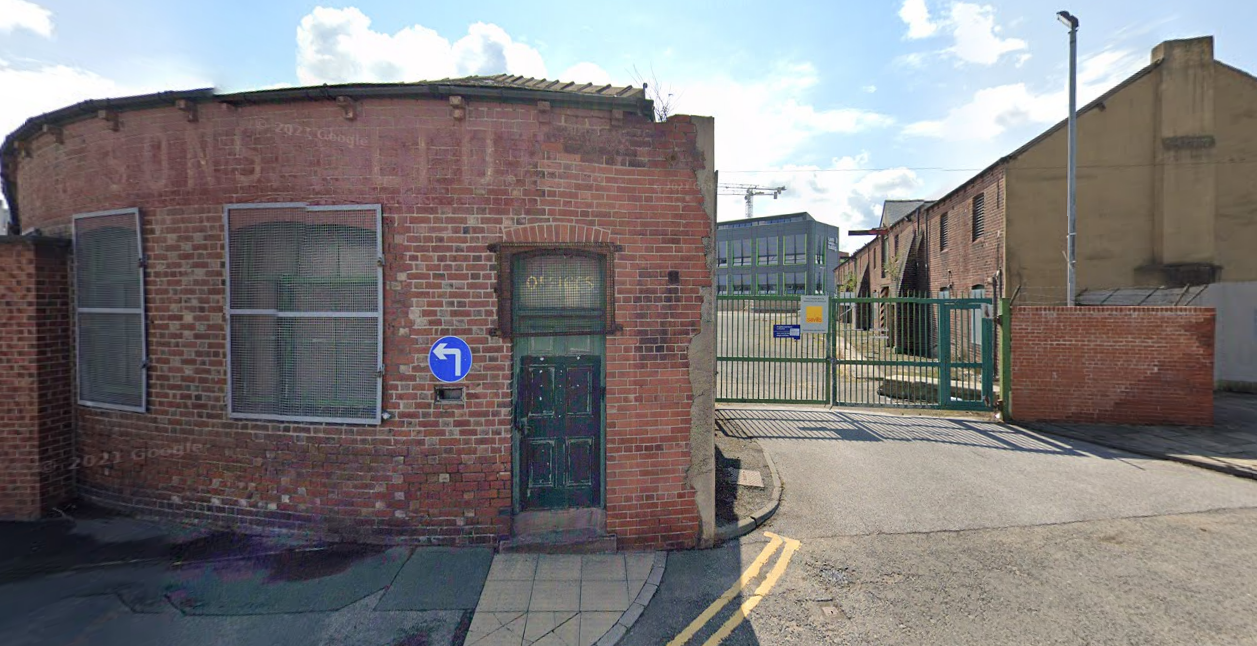
By no means are these buildings of any particular merit, but they are the last few remnants of the industrial past of Holbeck, and should be used as a nucleus for the ongoing regeneration of the South Bank in Leeds, which is the largest regeneration project in Europe.
To denude the entire site (which is the size of the existing City centre) of any buildings that link to the past will make it impossible for any new development to inherit an identity. Just around the corner in Holbeck Urban Village is a great success story predicated on heritage-led regeneration. These are the buildings that micro-breweries and vegan cafes want to occupy.
This application follows a similar one from last year which saw another Victorian block removed. This was a natural cultural nucleus of what will be a massively dense and populated urban quarter. The site of the old brewing industry for the city, it means a lot to Leeds, and these few remnants should be integrated into the modern urban form that will emerge.
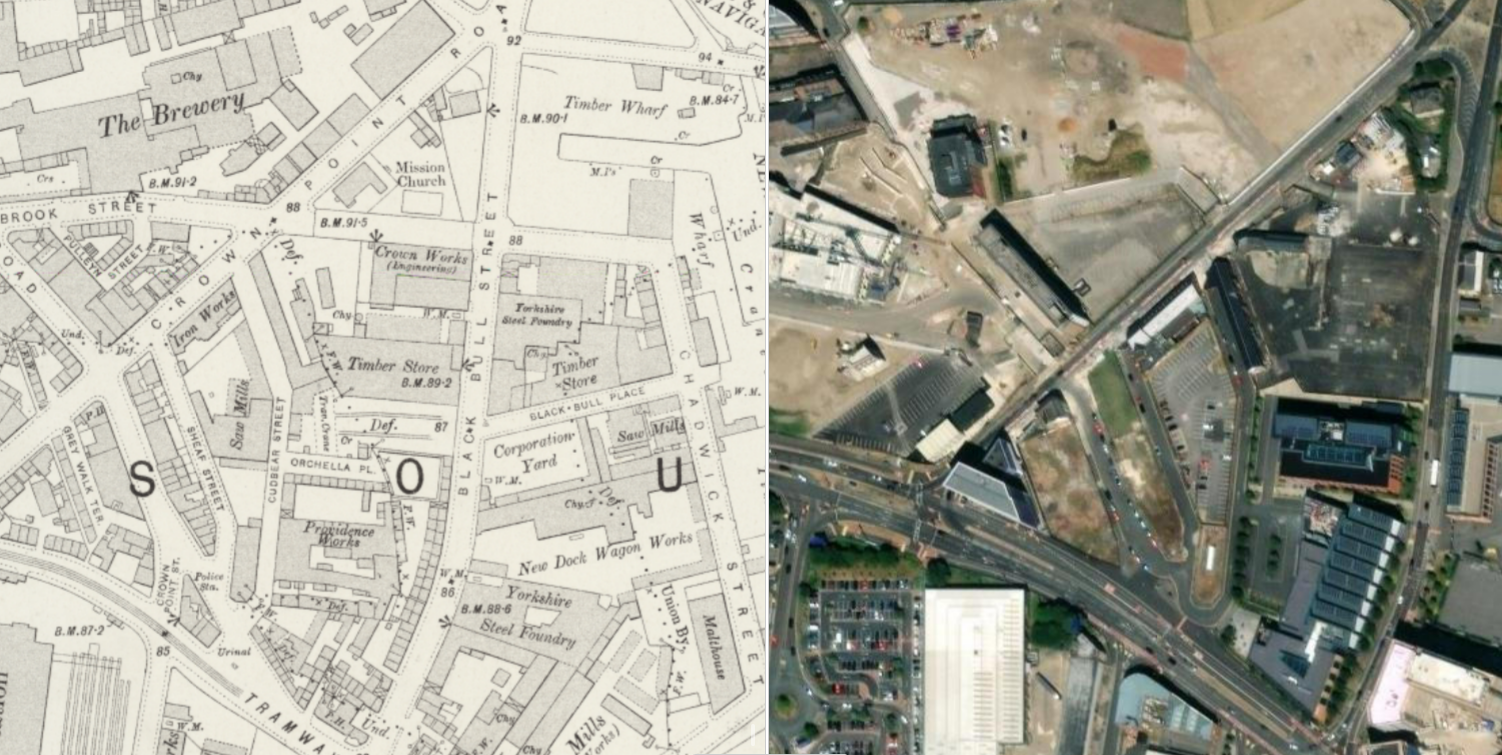
There really isn’t much left of the Victorian building stock in the South Bank. Source NLS.
The Monkey Pub, near Barnsley
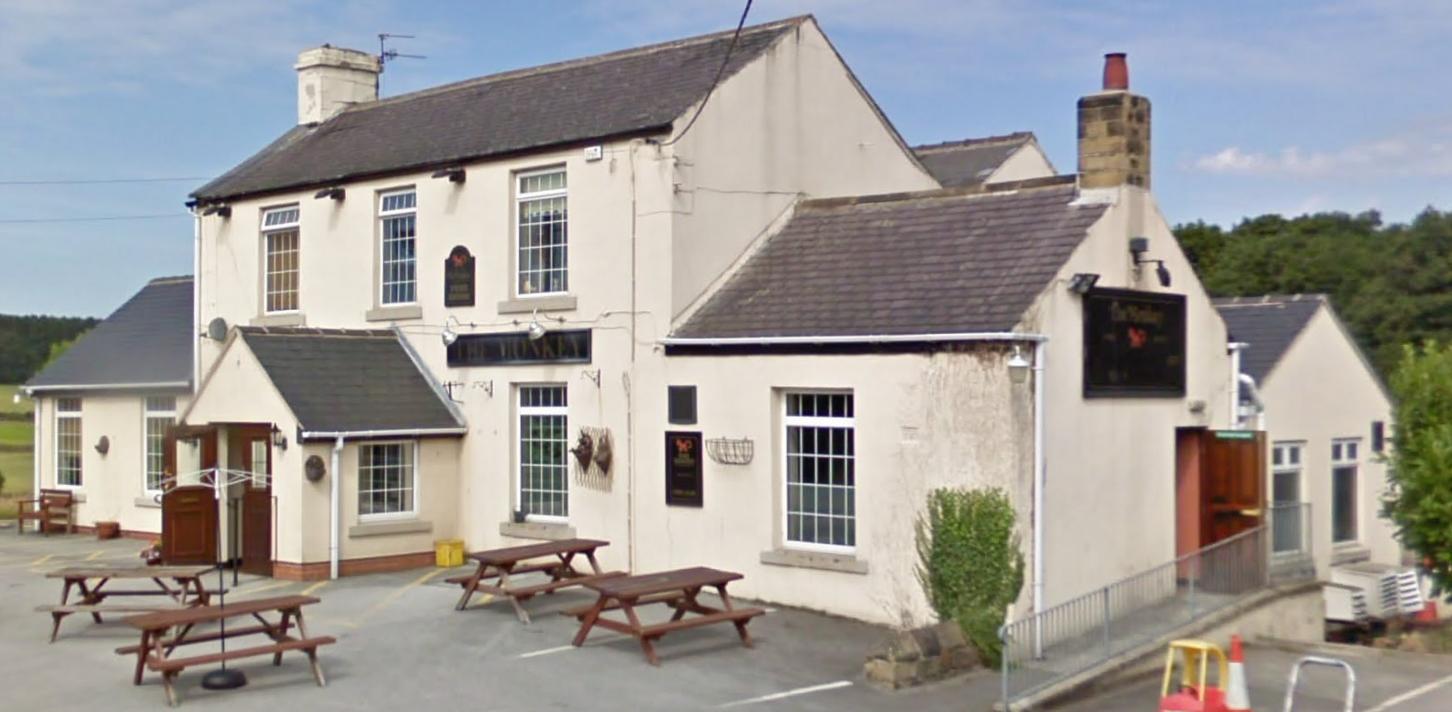
Appearing on maps from the turn of the (last) century as The East Field Inn, The Monkey is a classic English Country pub, and famously featured in Last of The Summer Wine.
Sadly the demolition has already taken place so there is no saving this one. South Yorkshire’s cyclists will miss this halfway house between Barnsley and the Peak District.
I sincerely hope this undervaluation of pubs to cultural heritage will eventually be recognised by the planning system. Every pub in the land would generate a huge pay-out if the land is redeveloped for residential use. The market would see them dropped relentlessly, and so planners must do their job and protect assets that benefit communities and culture against market forces.
Highways Office, Fartown, Huddersfield
Prior approval for the demolition of a Council owned Victorian building in Kirklees:
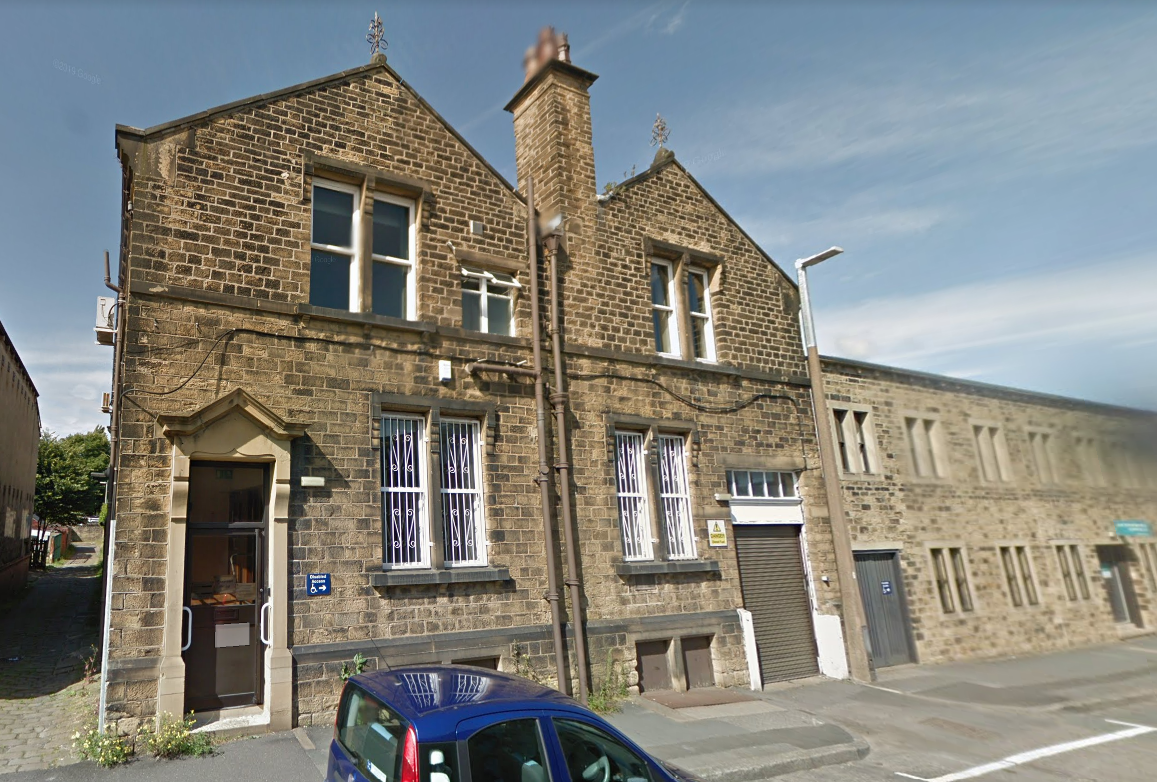
I can not find any information on the former use of this building. It appears in the earliest historical maps of Huddersfield, but is unlabelled. I would love to know more about it before it is pulled down.
This is an industrial street with buildings of a variety of ages, this being the oldest. The application does not indicate why Kirklees Council are demolishing the building. While it appears to still be in use, and remains a robust structure, for some reason the disposal of this public asset requires a site clearance. Wouldn’t it be easier to sell it as seen? At least then a buyer may well look to repurpose it.
The building is delightful, with a double front facing gable separated by a tall chimney. The detailing is appropriately modest, with ornate iron weather veins on the ridges.
This falls within permitted development, so the Council’s development control officers have no planning control. However it would be unlikely they would refuse one of their own applications even if they did have the power.
Parade of shops, Burley,
Plans to demolish three shops to make way for a student residential tower in Burley, just outside central Leeds:

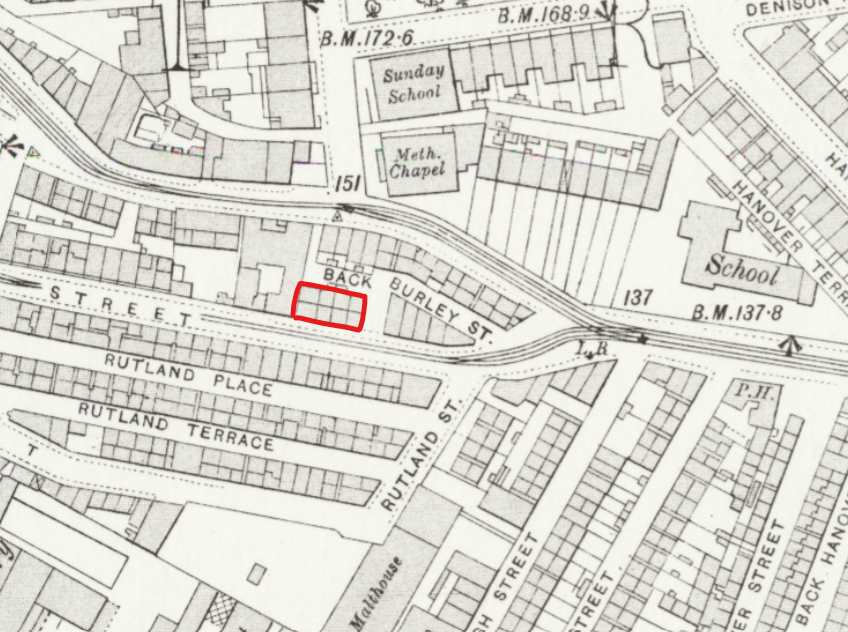
Not much of old Leeds remains in this part of the city. Once a patchwork of dense back to backs, with a tramway circumnavigating the area, this part of Burley is slowly transforming from a nowhere belt on the periphery of the city centre into a student village.
The buildings are to be demolished to make way for the tower below. Quite a level of densification, which will further the repopulation of the area. Reluctantly the loss of Victorian Leeds is outweighed by the regenerative benefits in this instance.
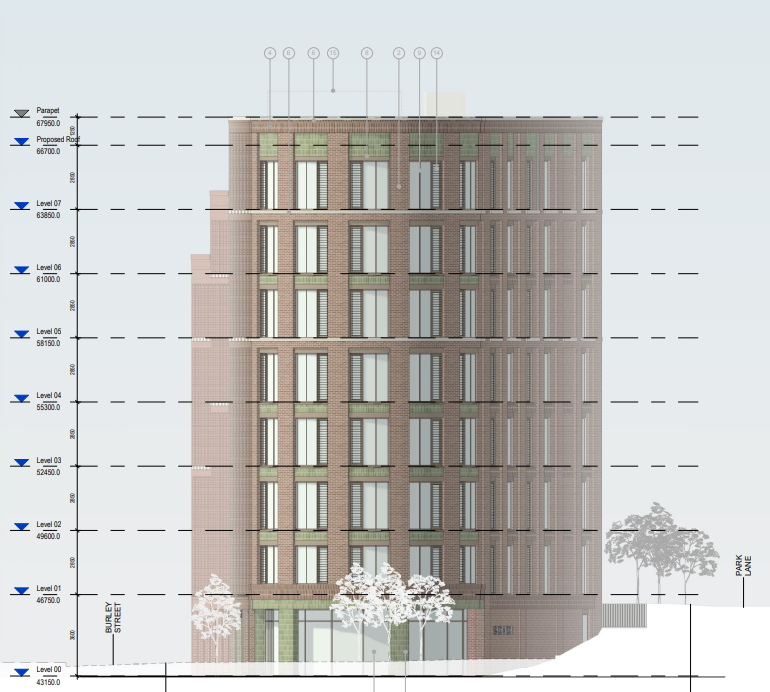
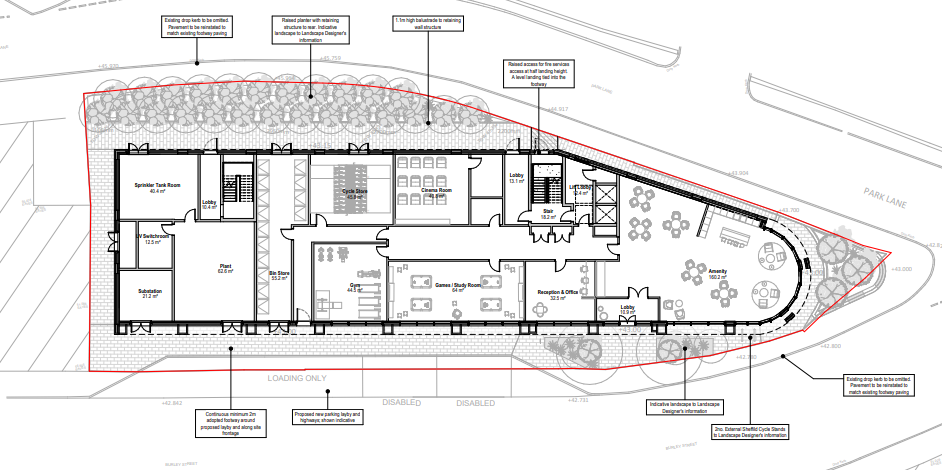
The buildings are simple, and atypical of the era with painting facia boards and large eaves overhangs. One aspect of the site that would be a lamentable loss is the erasure of Back Burley Street, which is still paved with the original stone sets. Maybe the developer would have integrated the street into the ground floor. A bit of innovation like that would serve to give the building a real identity, and an appealing commercial pull on the ground floor.

Cross Roads Inn, Keighley
Application to demolish a pub for a housing site for 11 dwellings:
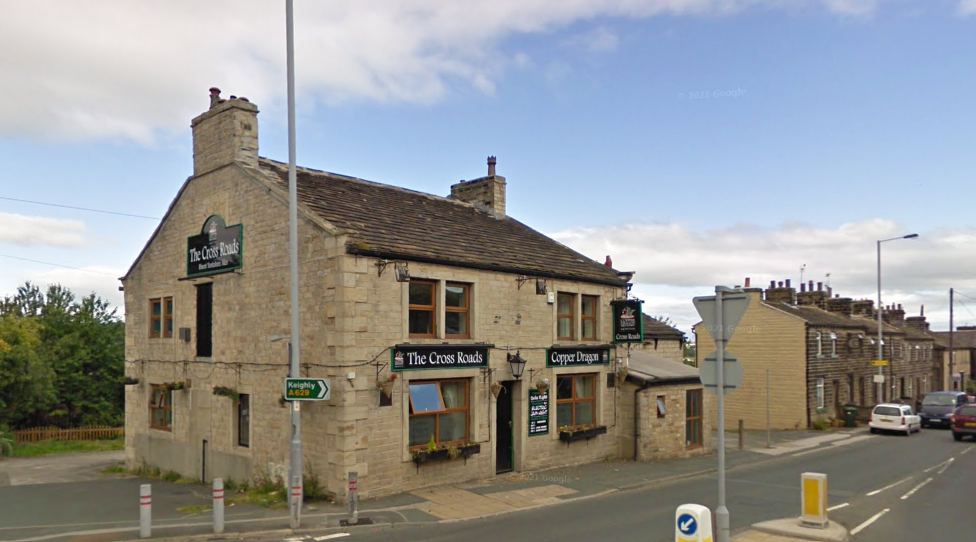
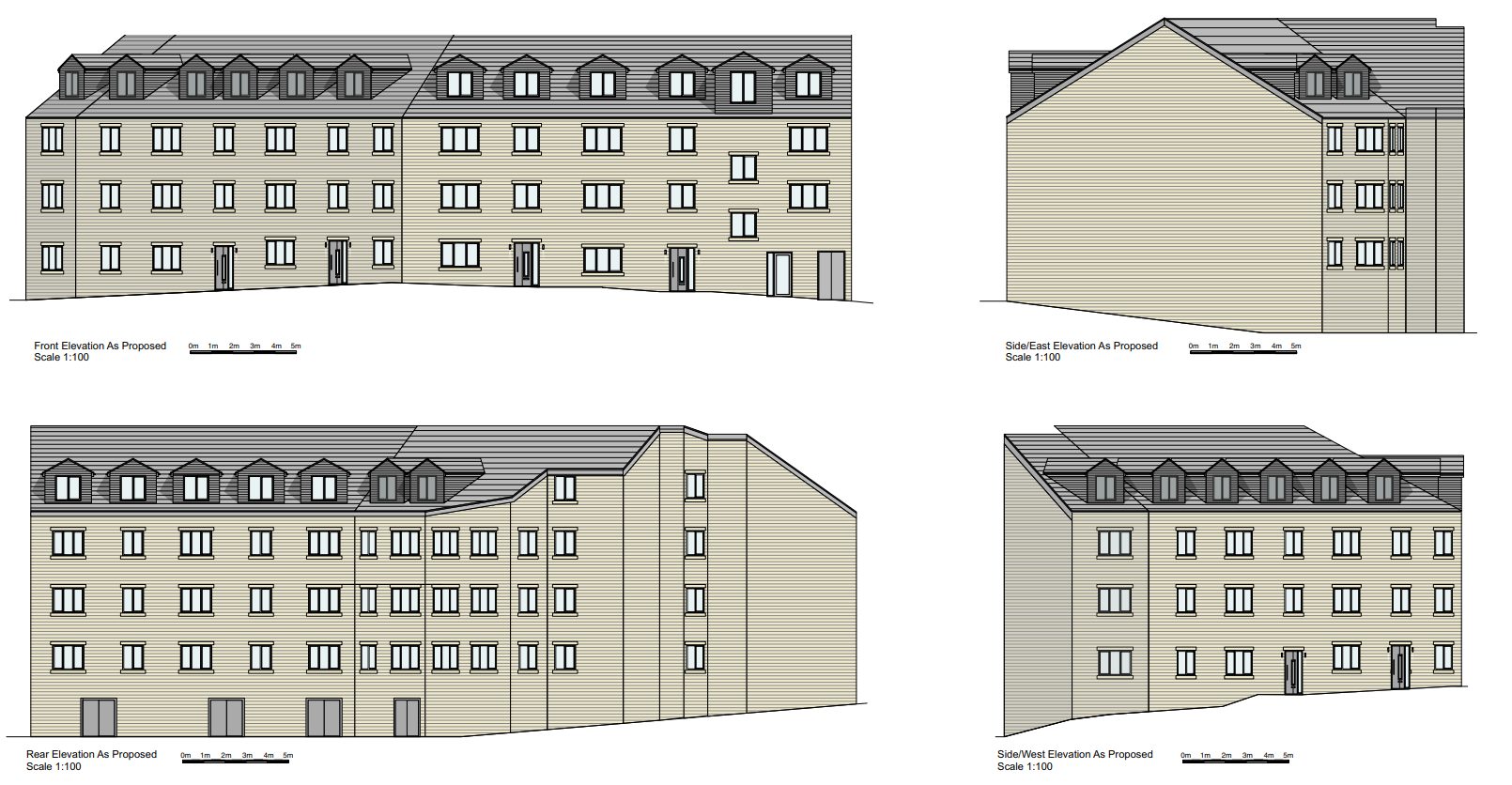
The attractive stone pub above will be lost to clear a site for 11 dwellings, the elevations for which can be seen below
While I admire that the development would turn the corner of the roundabout and create a strong street frontage (unlike most residential developments which have no concern for the surrounding built form), intensifying the built form to deliver 1 homes, the elevations are a bit bare. A lack of chimneys, quoins and roof detailing in general would result is a somewhat stark frontage in this village centre location.
And the loss of such a beautiful and robust pub is never acceptable. It would be simple to integrate the pub into a residential scheme and achieve the 1 1 units. The Local Authority Planners should also take note of the increase in scale to a three story building. Its not quite right for this street. A better proposal is possible and ten minutes of well-deployed negotiation would achieve this.
As a local authority planner I know this is eminently possible, and if this landed on my desk I’d be certain to secure the longevity of the pub, whilst delivering homes in this location. Intensification is good. Erasing social institutions is not.
George Hotel, Huddersfield
Application to remove the rear wing of a Victorian hotel for modernisation:
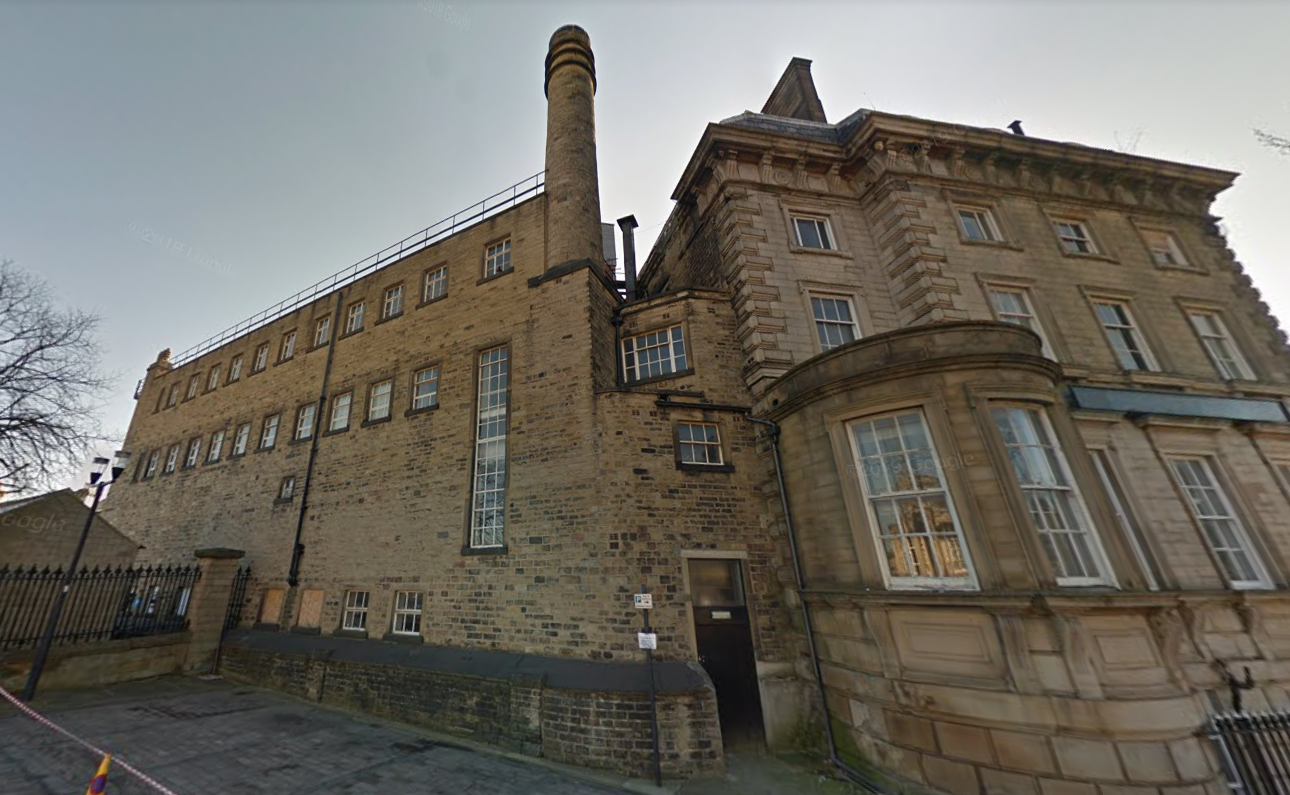
The George Hotel holds pride of place on Huddersfield’s famous St George’s Square, which to my mind is one of the most impressive urban environments in the country. Arriving into Huddersfield is an uninterrupted 360 degree vista of imposing stone buildings. It makes a statement.
This element of the building dates from somewhere between 1870 and 1930. The loss of the chimney would be particularly sad, as it brings a lot to the square. The wing is appropriately austere for its location next to the hotel frontage. It provides an interface between the back end of the railway and the grandeur of the square, and displays a unique hinge that results in an intricate interface with its neighbour.
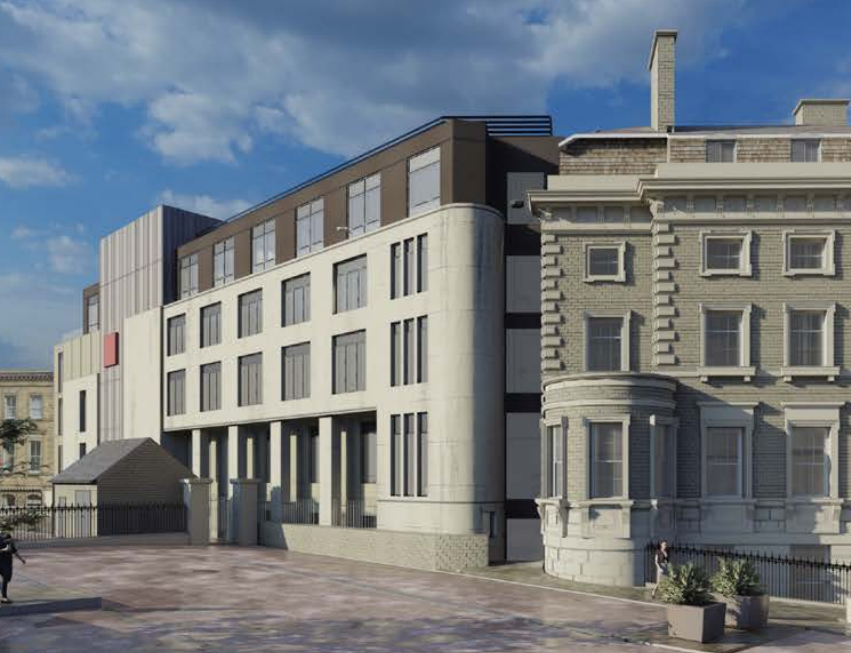
The proposed demolition of the rear of the hotel would see a modern building introduced into this setting, bereft of stone, adorned in cladding. The renders look highly attractive, but on a cold wet day in the North, stone buildings look resilient and dramatic. The above would resemble a business park off the M6. Architecture like this can really benefit regeneration, and can complement the urban environment very well. But not here. St George’s square is perfection, and any changes here should be considered with utmost caution.
Newall Church Hall, Otley
Plans to demolish a former Sunday School for 8 dwellings:
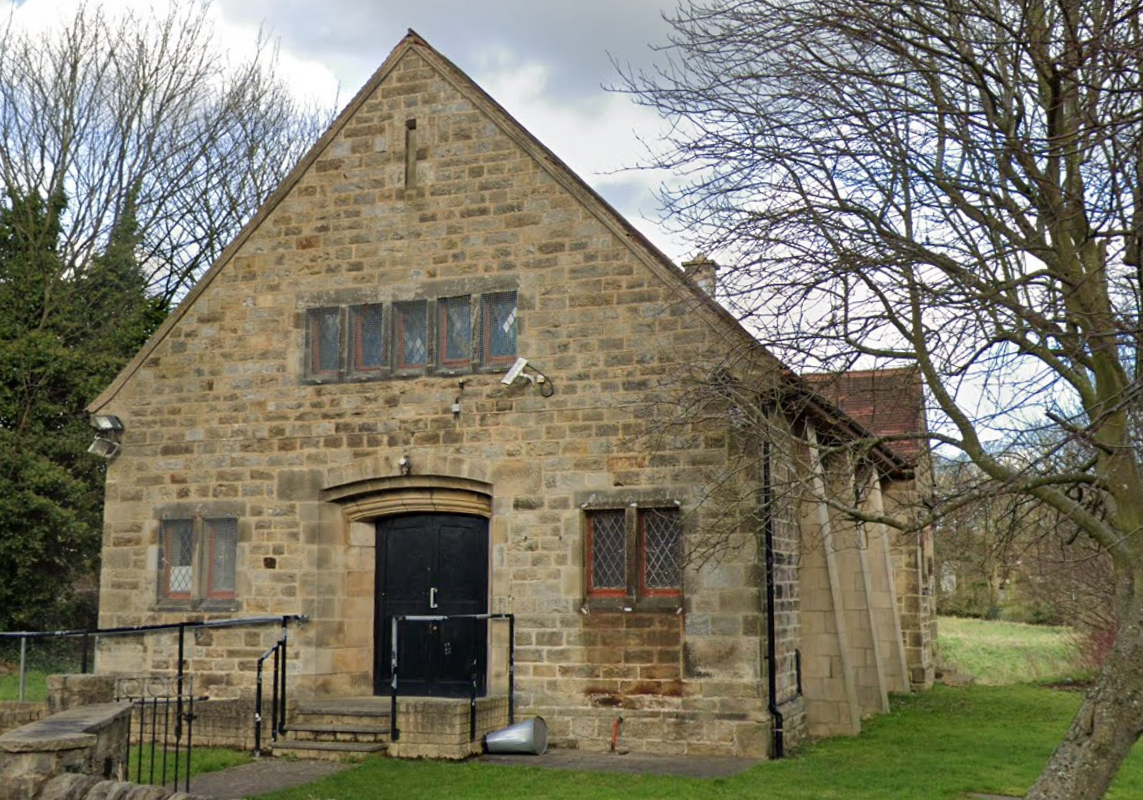
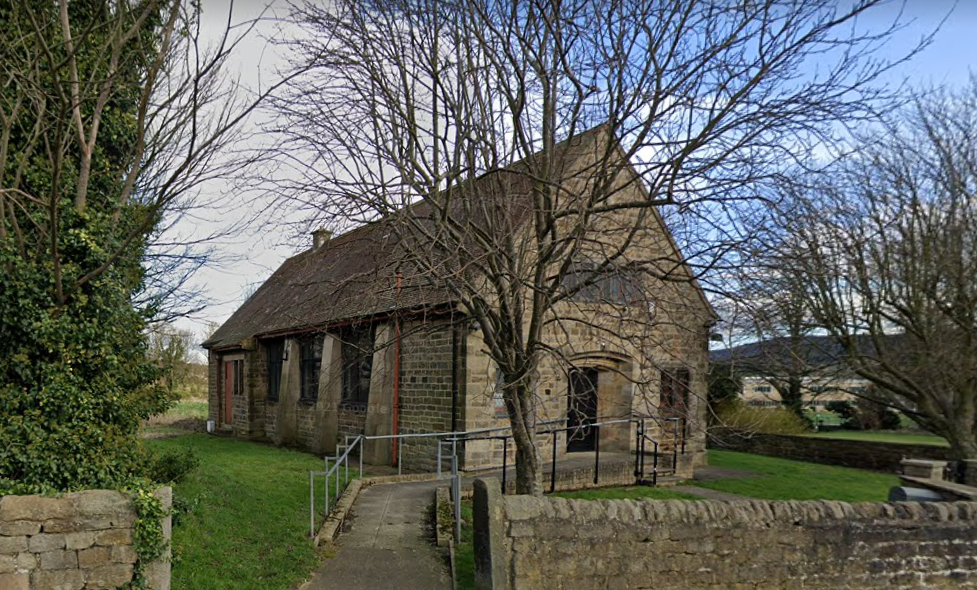
This building is described as being built in the 1920s, but appears much older by virtue of the weavers cottage style mullion windows.
Built on the grounds of the former Newall Old Hall, which was being demolished simultaneously, the building served the Sunday School congregation of Otley to the North of River Wharf, and was constructed of reclaimed materials from the hall.
8 semi-detached dwellings will replace the building. The hall could have been converted into a dwelling, but arguing against the intensification to 8 houses would need a powerful case for conservation.
The actual building footprint would make way for a single pair of semis and with a bit of creativity the building could be well integrated into the layout to offer an attractive an historic gateway to the new cul-de-sac. The planning industry still has to articulate to the real estate world the notion that identity adds value to property. Until they do, the biggest influence on the design of the built environment will be the land promoters armed with excel.
Ornate house in South Cave, East Yorkshire
Plans to demolish a house to allow for access to a proposed volume housing development:
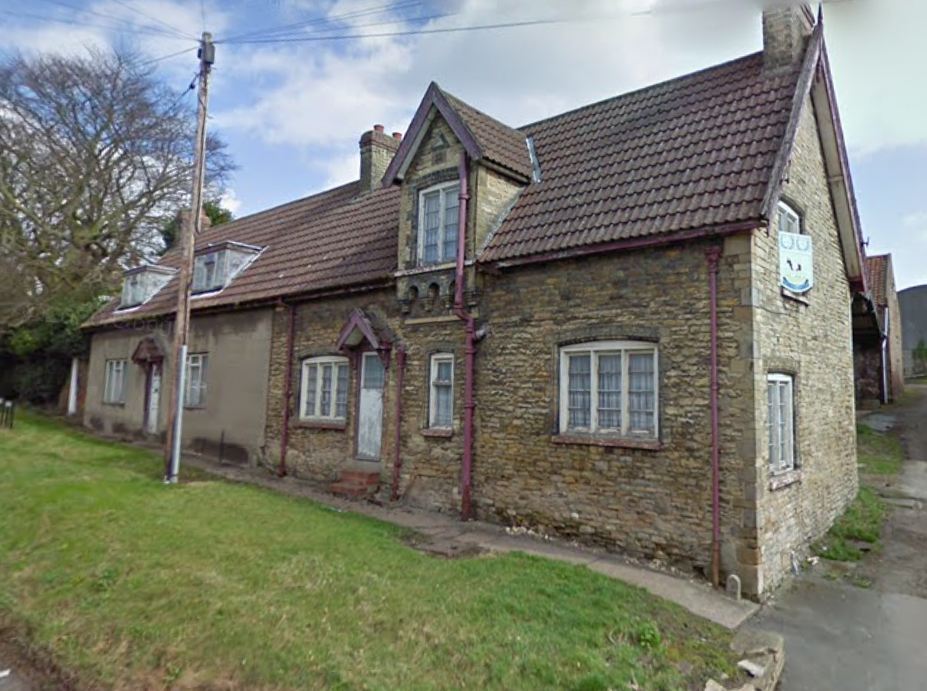
A very historic component of the Market Place in South Cave, this pair of houses is required to be demolished to allow for road access to a larger development to the rear.
The Humber Historic Environment Record have objected to the loss, stating that previous plans viably retained the house. As such it would be unlikely the planning officer could depart from this recommendation. So hopefully the building will be saved.
Quirky end terrace, Sheffield
An interesting Victorian end terrace to be replaced with a new dwelling near Norfolk Park in Sheffield:
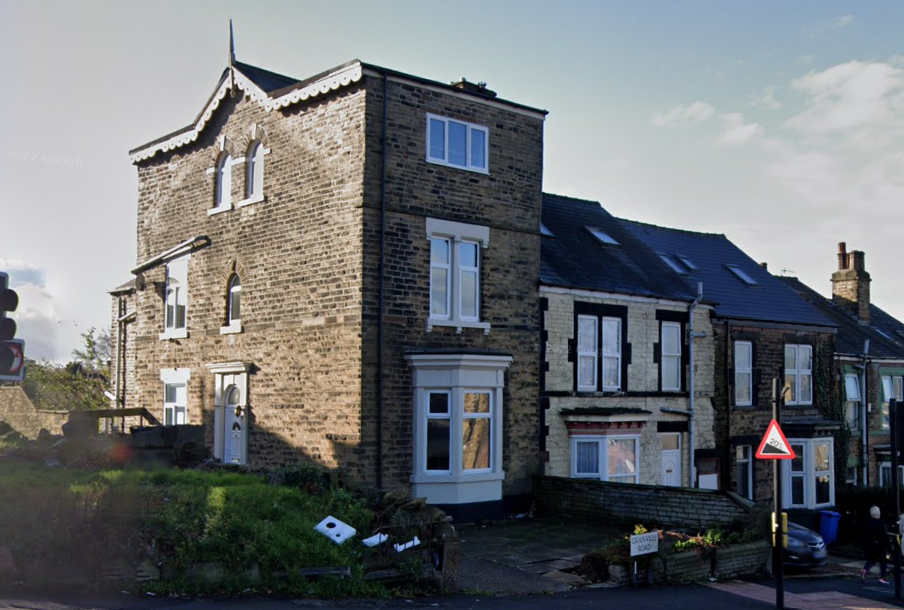
Nowhere near being on the radar of any conservation body, this town house punctuates the end of this Victorian terrace, and is an example of how families would extend their houses before the age of the ubiquitous box dormer.
While its loss would not ruin the street, these quirky terminating buildings always add the story an urban street tells.
UPDATE: This application has subsequently been refused.
 The Demolition Register