Aubrey House, York
Plans to demolish a culster of buildings for student flats in York:
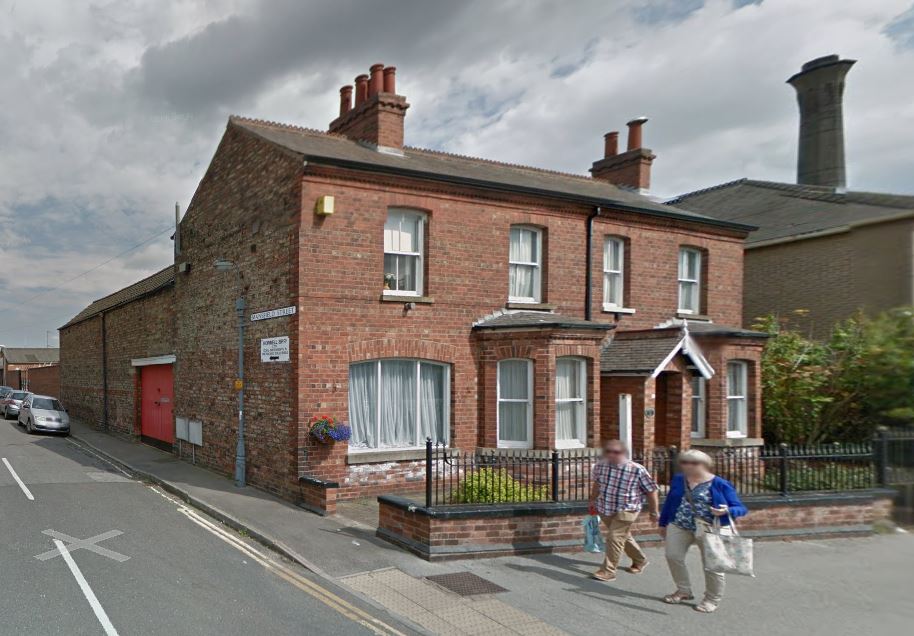
A sweet pair of houses will be lost to make way for student accomodation.
I fully understand the need to densify sites such as this, to avoid students consuming residential accomodation elsewhere in the city, so it would be difficult to oppose the loss of these buildings for that purpose.
Those black cast iron railings will be sorely missed however.
Shoe and Boot Foundry, Leeds
Application to clear a site, which includes the industrial street frontage of Macaulay Street in Mabgate, Leeds:

Granted, these buildings are utilitarian industrial buildings, without any notable merit architecturally, however as the Mabgate area of Leeds is dependent on cultural regeneration, the crumbling historic tissue of the quarter is vital, particularly to anchor character and povide cues for the wave of forthcoming development.
The above is a shoe and boot foundary according to maps from the 1890s. The bracketing attached to the sofits presumably once held bold signage, and provides an interesting feature for the street. It shouldn’t take a huge leap of the imagination to see how such stock would appeal to the burgeoning student population in the area. Stick a micro brewery and tap room in there, and suddely Macaulay Street is a destination within the Mabgate mileiu.
If the buildings go, then Macauley Street will be bereft of identity, and become nothing more than an access road for the bin lorries serving the student blocks.
Its a hard sell, but retaining shabby and unardorned stock to punctuate a street front as the infil comes, is right out of Jane Jacobs’ playbook.
Shade Chapel, Todmorden
Application to demolition a Wesleyan Church in Calderdale:
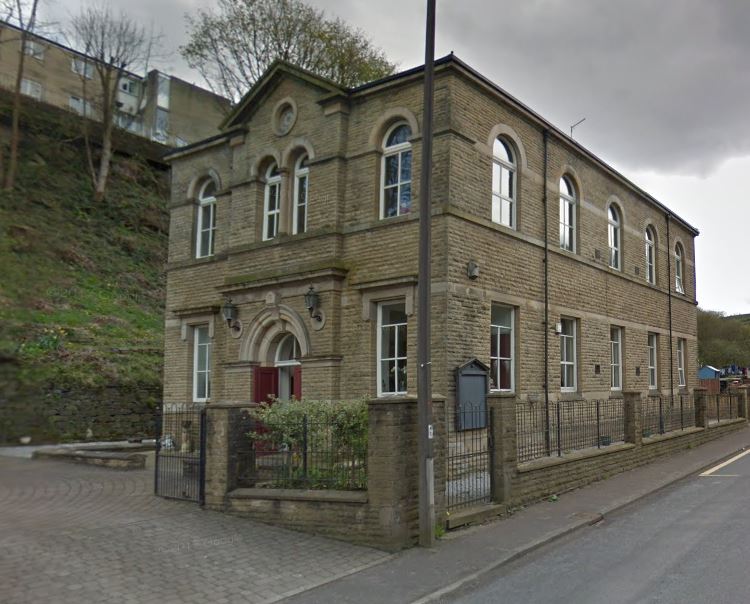
Sadly, this building resides on top of a culverted river, which during a storm in February partially collapsed.
The threat of further collapse and the flood hazard this would create has necessitated the demolition of the church.
The building was very tastefully converted into residential use and was a paragon of heritage renewal which makes this even more of a pity.
St Mary’s, Richmond Hill, Leeds
Application to demolish a prominent catholic church in Leeds:

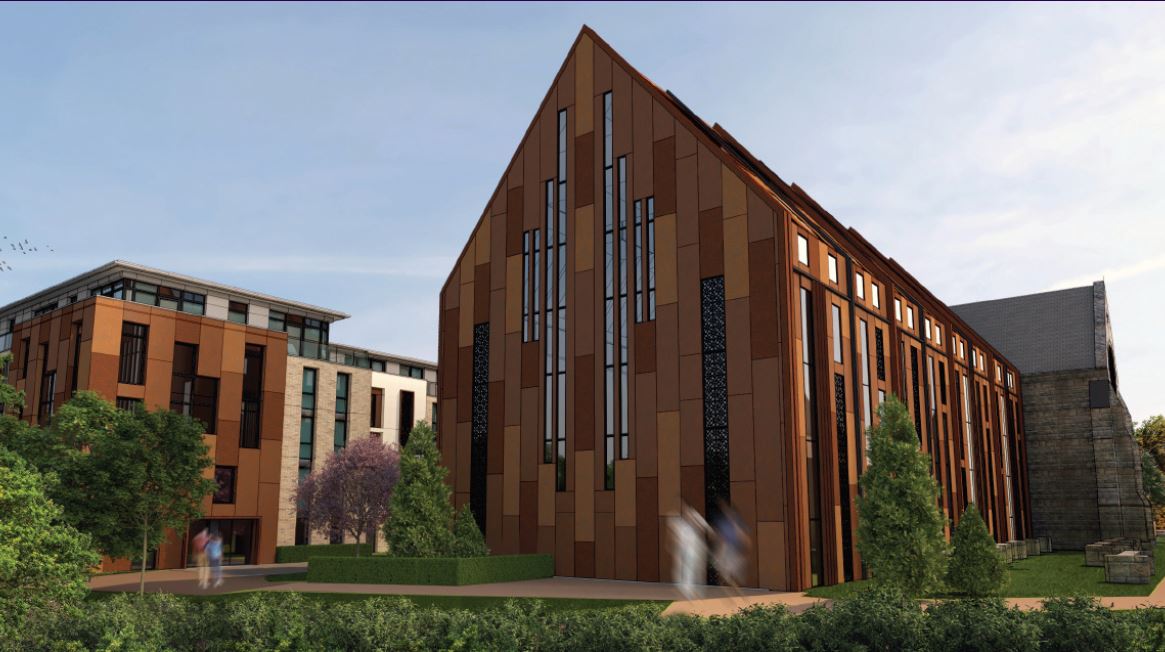
An application to demolish half of this Catholic church and the neighbouring presbytery has been made, following a long dialogue with Leeds City Council to solve the problem of this abandoned building.
The building is prominent and is the highest point of the built landscape on Richmond Hill, being visible from many gateways into the city. LVIAs have noted this, which has informed the design that looks to emulate the massing of the original nave.
However, in my own opinion, the retention of the north-facing elevation shown in the above image is imperative when even considering these proposals as acceptable.
The Presbytery is also a stunning Victorian building which will be lamentably lost and replaced with a cuboid of an architectural language that is already beginning to look dated. If only an urban designer were involved with this project, the use of the heritage and geographic assets of this location would have been much more sensitive.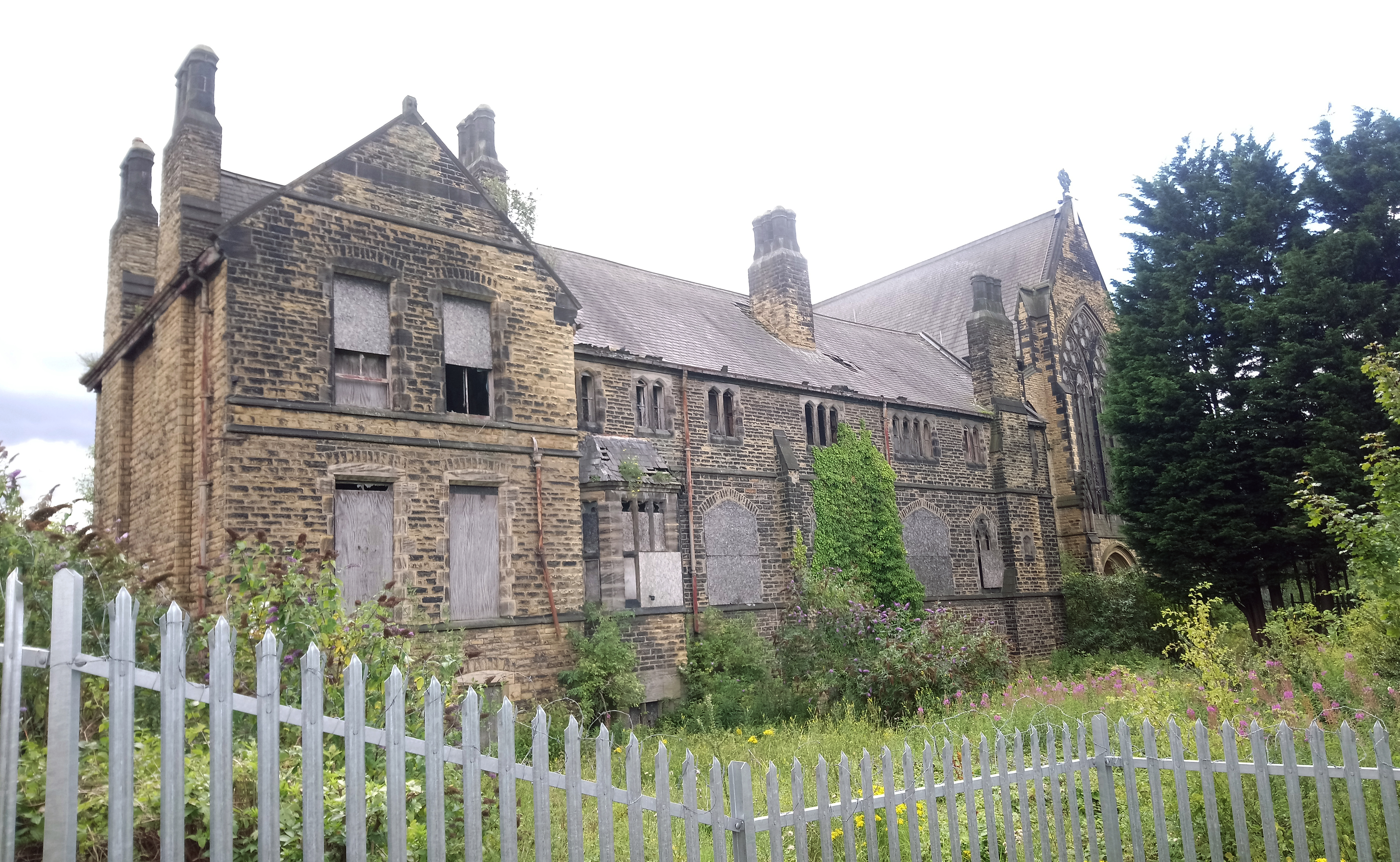
Then there is the interior, which is a stunningly vaulted space, tantamount to a medieval abbey.
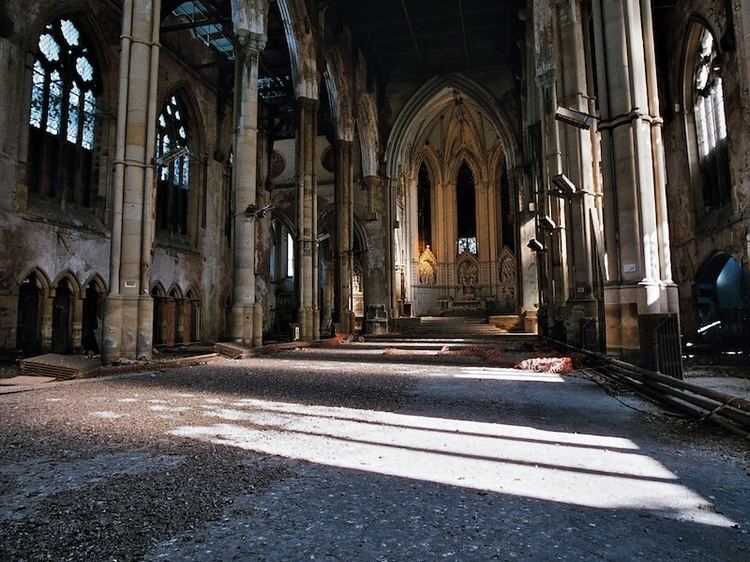
The tragedy of all this is that within a mile of this old church are around 10 new immigrant congregations, filling former warehouses each week on the verges of strategic highways. If only they could occupy this space instead.
The Fountain Inn, Ingbirchworth, Barnsley
Application to demolish a rural pub and build out 13 detached dwellings:
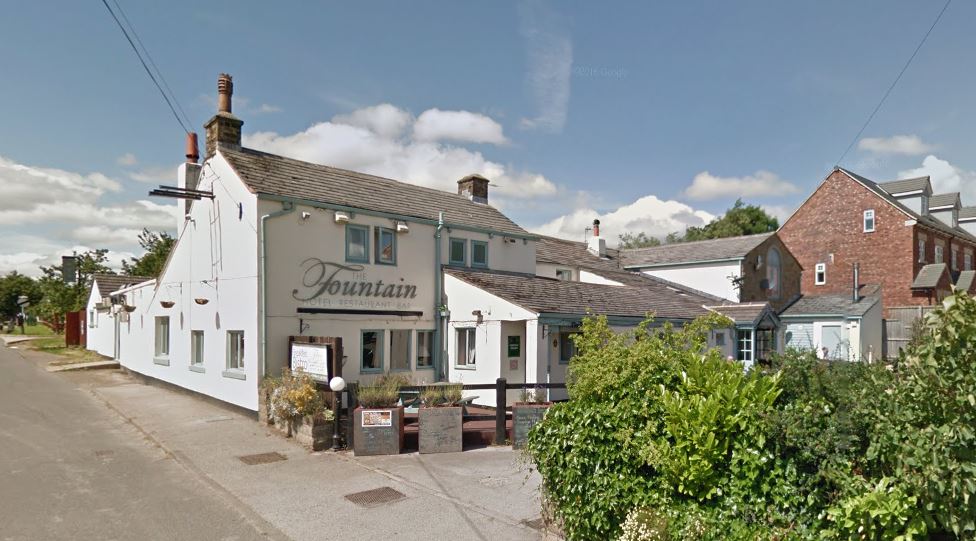
Ingbirchworth has doubled in size since the turn of the century. This is a questionable aspect of Barnsley Council’s growth strategy as Inbirchworth has no shop, no amenities, no train, and is 10 miles from a sizeable employment centre.
Dubious spatial planning aside, it also seems odd to grow a village and create demand for a pub, only to see it demolished. I know this pub very well, and it thrives. There is no question of its viability. It serves as the conclusion to a number of hiking routes, and the accommodation is almost always at capacity.
Without any doubt, this is a landowner wanting to simplify their liabilities and cash in on the high values of rural development rather than keep a pub on the books. The developer, Conroy Brook, has a history of heritage destruction in this part of Yorkshire, so any integration of the pub into the development would complicate their profit forecasting.
I’d guess around 10 jobs would be sacrificed with the loss of this business, along with various contracts with local businesses. Allowing this last public amenity in Ingbirchorth to be leveled is indefensible. A cluster of houses does not a village make.
The Sidings, Shipton, York
Removal of railway carriages and demolition of buildings at The Sidings Restaurant, north of York:
https://planning.hambleton.gov.uk/online-applications/applicationDetails.do?activeTab=summary&keyVal=Q9JFGKHUM6800
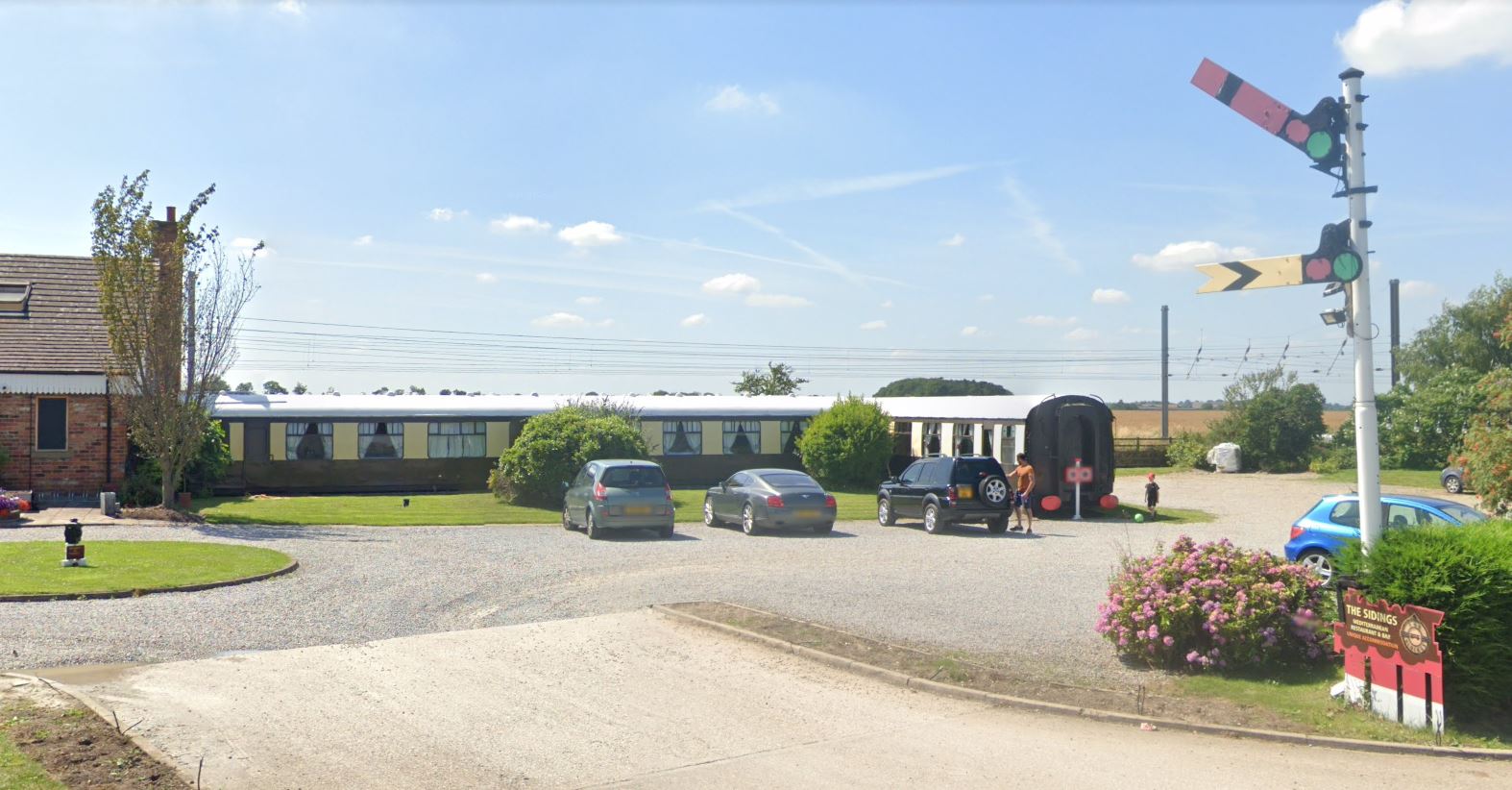
More of a removal per se, but worthy of a mention nonethless. The Sidings restaurant will be no more, and with its departure so too disappear the railway carriages.
Such an intereting feature of the Vale of York, I will miss this nod to repurposing and eccenticity.
And its one less thing to do on a Sunday for the families of Yorkshire.
The Cottage residential care home, Hull
Former cottage home, Hull:
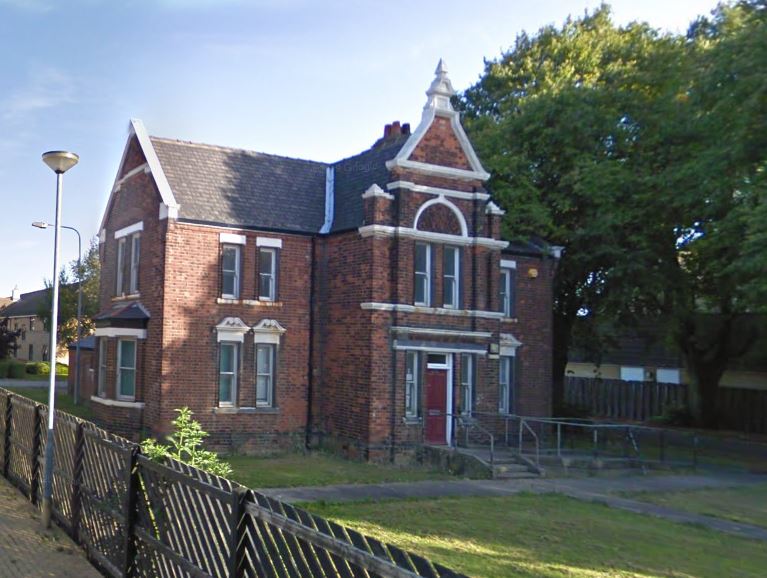
This building was lost last year but went under my radar.
One of a number of cottage homes for orphans in this area, that have been left to the elements and have subsequently been demolished, development of this site is now in the planning process. The buildings were afforded protection under a local listing status, but this goes to show that nothing is safe, if left in disrepair.
Props to the conservation officer, Philip Hampel, who has put the time into a detailed response, giving some historical context to the site and daring to note that the replacement dwellings are unsympathetic to the context, and disrupt the rhythm of the street front.
Bengreave Farm, Bradfield, Sheffield
Application to demolish a farmhouse near Damflask Reservoir, Sheffield:
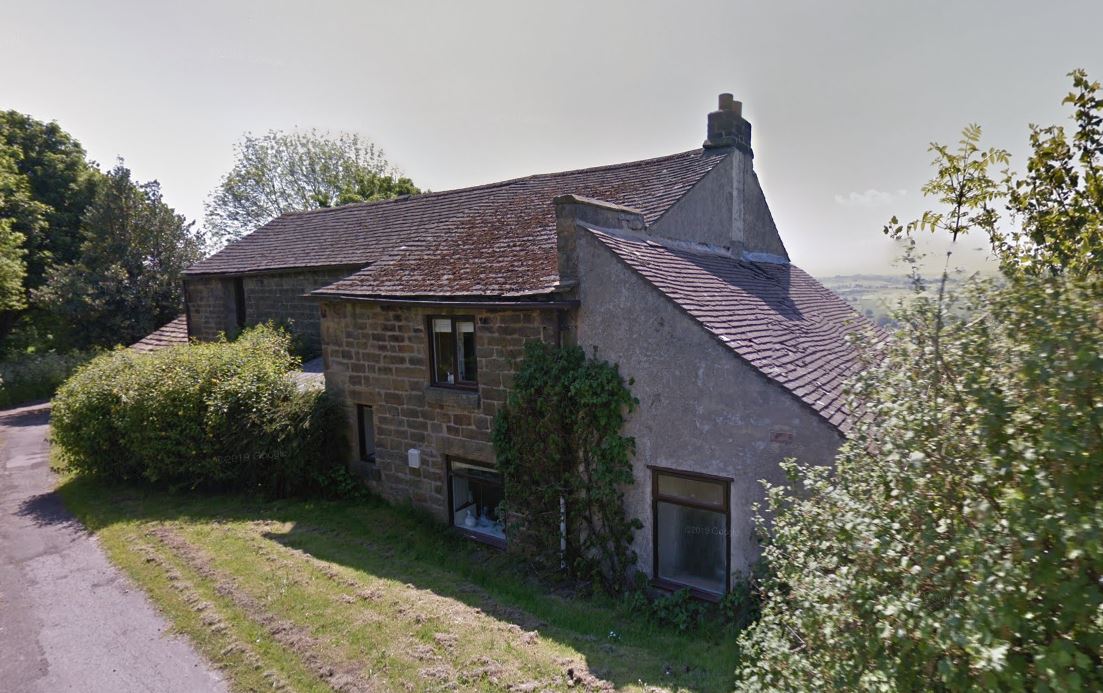
I must give thanks to the heritage statement for the detailed research, placing this building in the mid18th century, as a traditional laithe-house with local historical significance. I can feel the author’s reluctance to support the demolition of this building, in spite of being on the books of the developer.
Let’s hope the replacement is as architecturally interesting and also manages to get three centuries of use from generations of families.
Detached house, Barnsley
Application to demolish stone cottage in Elsecar:
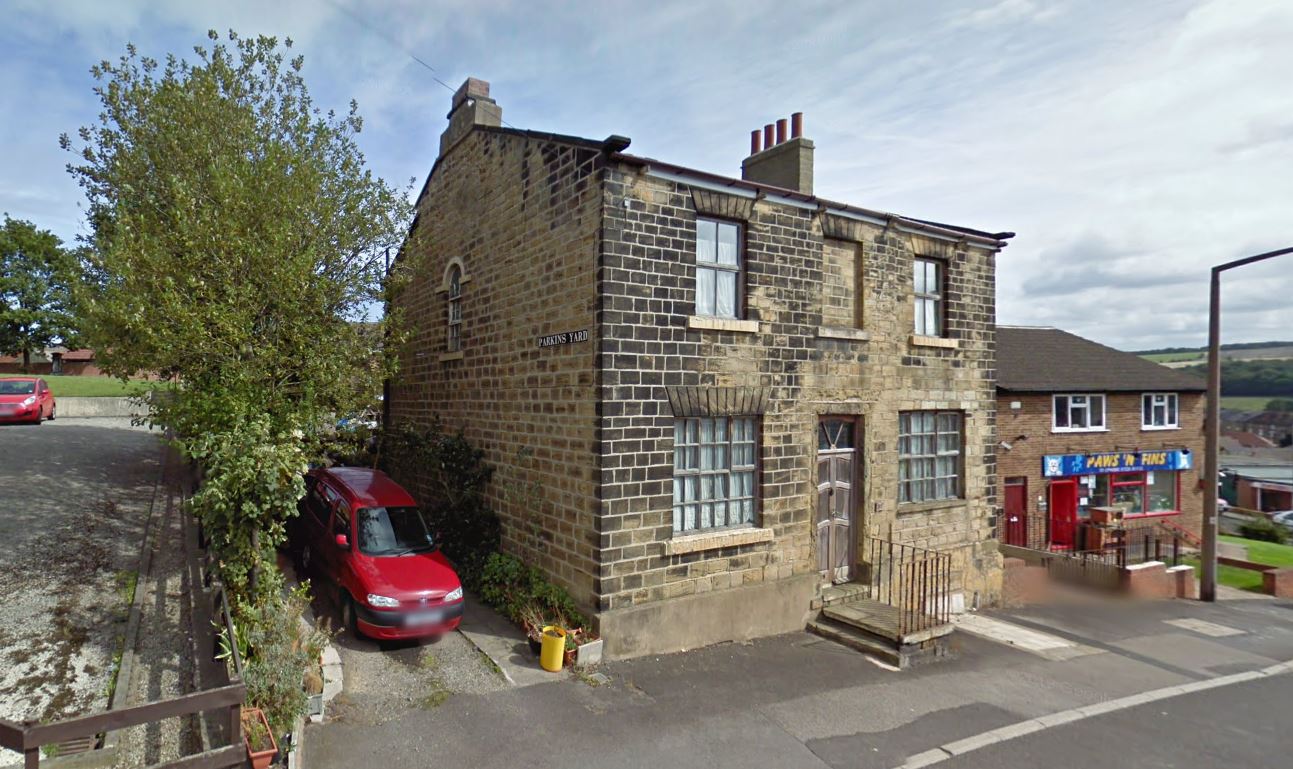
A handsome cottage sadly now in a state of dilapidation, just down the road from the Elsecar Heritage Centre museum. Somehow the applicant is going to squeeze two detached dwellings onto this plot. Humans must be getting smaller.
Braithwaite Lodge, Doncaster
Application to demolish a farmhouse near Braithwaite, Doncaster:

This application involves the replacement of the house with a new dwelling, so perhaps the condition of the building has deteriorated internally. A lack of available planning documents leaves this to speculation. A beautiful rural house nonetheless, the building’s complex geometry of lean-to and extension elements are charming. I’d be curious to know if beneath the render it is stone or brick. Smashing it to pieces is one way to find out I suppose.
 The Demolition Register