Hare and Hounds pub, Bradford
Pub demolished after being condemned as unsafe:
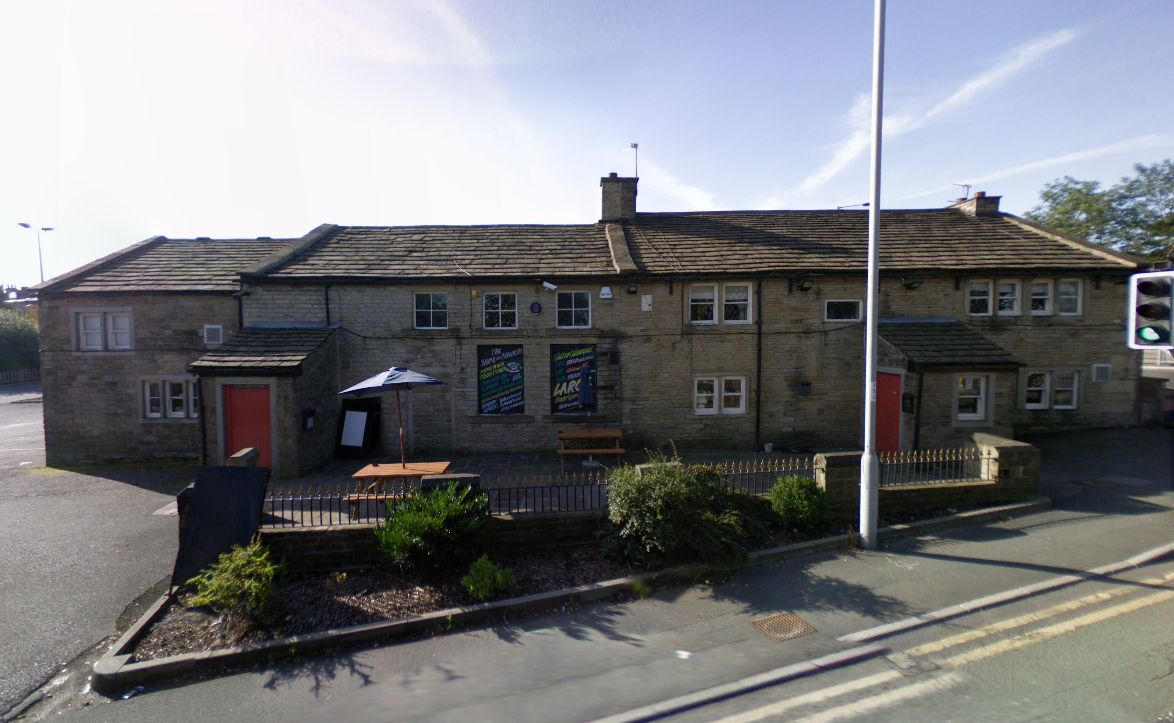
A very beautiful pub that was in the process of restoration had a section 78 notice served, requiring the structure to be demolished without delay for safety reasons, without recourse to the planning authority.
This is very powerful legislation taken from the Building Act 1984, as it allows for the legal demolition of any structure (including listed buildings, of which this pub was one) without planning consent, to render a site safe. When it comes to old buildings, there are invariably structural issues that can be interpreted as a safety issue. The local authority has to use this section of the act cautiously, and be aware of any exploitation.
Armley Conservative Club, Leeds
Planning application to demolish the former Conservative Club in Armley:
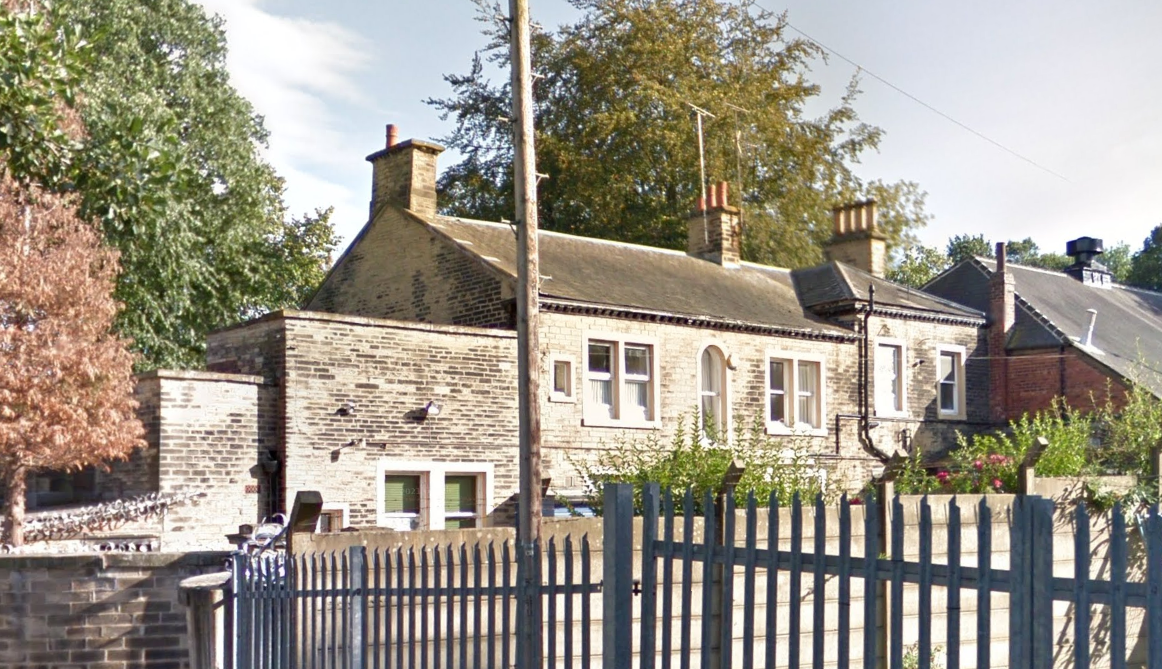
Following a suspected arson attack, the Conservative Club and Fairfield House on Armley Moor are subject to a demolition application.
The buildings are in the conservation area, however recommendations from the police to clear them will bolster the applicant’s case to depart from policy and allow this site to be flattened.
I can not find any images of the fire damage, and am unable to visit Leeds, but it is odd to receive input from the emergency services on a planning application.
The loss of Conservative Clubs have been noted in the media. Few remain in the red wall that is the northern industrial belt of towns and cities. But they are an important feature of any place, invoking a time of more cordial politics, in which people of any stripe were welcome through the doors of any given club to engage in discourse. Latterly, these clubs have lost their political cache and function more as community venues and a means of obtaining a cheap pint. Drinkers in Con/Lib/Lab clubs are refreshingly apolitical these days.
The townscape of Armley will miss these buildings, and the story of civic participation they tell.
The Chartist, Skelmanthorpe
Plans to demolish a pub in a conservation area and build 4 houses:
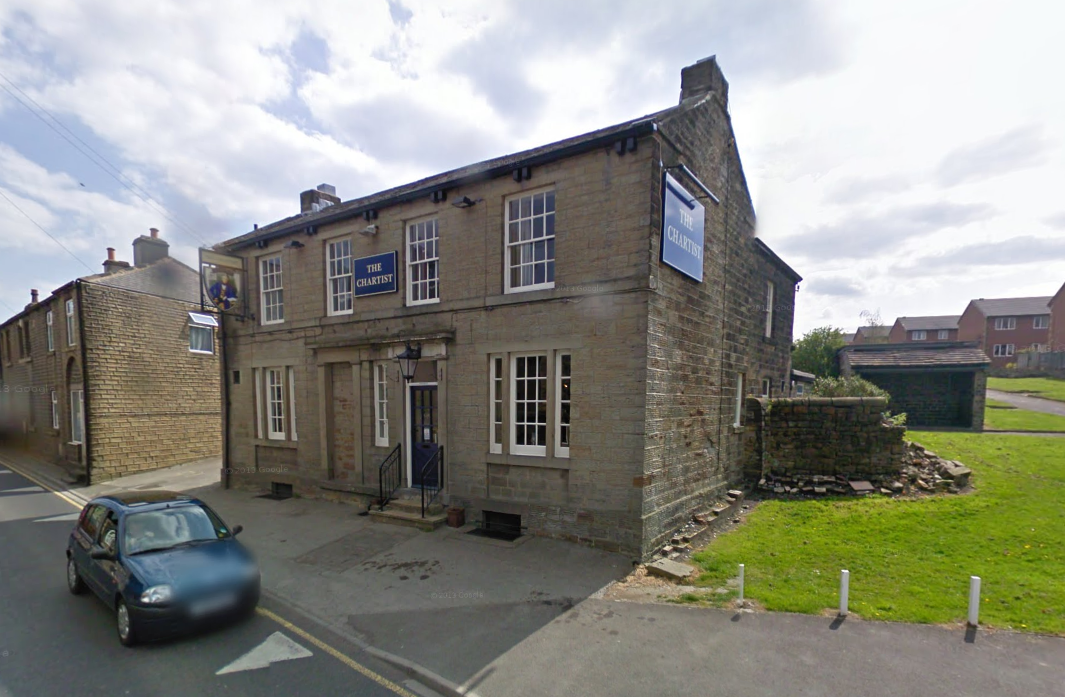
I went to this pub when I was 15 and tried my first donner kebab, which the landlady let us bring in from the takeaway across the road.
Skelmanthorpe used to have 5 pubs, with 1, The Grove, remaining open. The others have since been converted into houses or other commercial uses, but have remained standing. Interestingley Skelmanthorpe has seen a couple of wine bars and cafes open over the last few years which suggests the market for leaving the house occasionally in the evening, is on the rise. So its not the right time to erase a pub from the village.
I have objected, noting that the net benefit to the village would be 2 dwellings (assuming converting the pub could deliver 2 further dwellings). This is not enough benefit to justify demolition of a Victorian building in a conservation area, particularly as there are around 329 houses allocated elsewhere in the village. 2 windfall dwellings are hardly going to change the place. However the loss of a historic pub would.
Oddfellows Hall pub, Pudsey
Prior notification for the demolition of Oddfellows Hall pub in Pudsey:
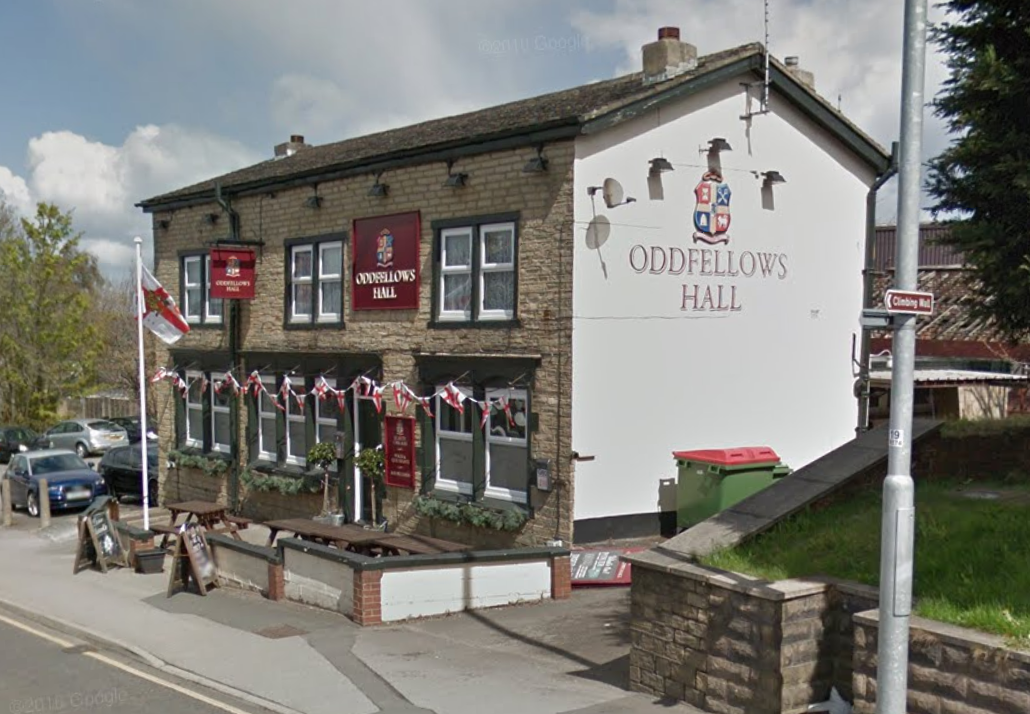
Permitted development rights exist for the demolition of buildings, with exceptions for listed buildings, and buildings in conservation areas. The class of permitted development rights was updated a few years ago to also exclude pubs and restaurants following a spate of demolitions that saw many villages left without a pub.
However, some planning officers do not seem to be aware of this clause in the legislation, and a number of pubs have been lost via this route of prior notification.
With the above application, I contacted the local Ward Member and the Planning Officer to inform them of this, and the Yorkshire Post has reported that the application has been refused. Great news. However it is likely that the owners will come back in with a planning application.
This happened last year by stealth, and we lost the Gas Club in Huddersfield when an application came in and was determined very quickly without consultation with the Ward Member or a reasonable amount of time for public comment.
The Priory, Cleckheaton
Remote pub to be demolished in Cleckheaton for flats:

This late 18th century pub, once home to The Brown Cow Pothole & Mountaineering Club, incorporating the Royal Antediluvian Order of Gentle Strollers, succumbed to Covid lockdowns and closed in October 2021 never to reopen.
Presumably viable until then, unfortunately housing demand being so formidable, even a relatively viable pub is more lucrative as a demolished and cleared brownfield site for a few new units. Sadly, almost every pub is a better economic asset as a potential housing site and local authorities need to consider this is their local planning policies.
Proposed is a simple stone building to provide extra care for disabled residents, and development of this nature should be supported. However the site could accommodate both uses quite easily, if the developer were willing to convert some of the pub for residential use.
Know as The Old Brown Cow on historic maps, it is the sibling of the adjacent listed White Chapel. New houses now surround this formerly isolated pub and church. In theory then, demand for a local pub would go up. Sadly, it seems that this isn’t the case, and the region continues on a path towards a geography of nothing but houses and amazon warehouses.
A history of the pub can be found here by the Spen Valley Triva Group.
The Durham Ox, Sheffield
Pub in Sheffield on the edge of Park Hill to be demolished for 22 flats:
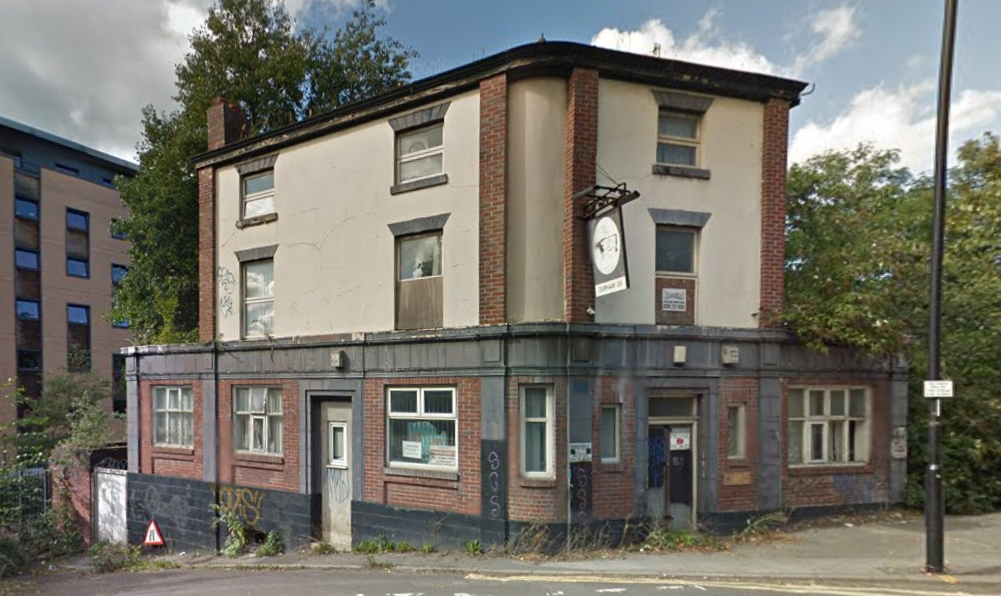
One of many closed pubs on this road in regenerated Sheffield, The Durham Ox has been closed for a very long time (doors closed in 1993!) in spite of a burgeoning renewed residential population in the 10 story flats that have recently appeared.
The pubs escaped the clearances of the 1960s to make way for the Park Hill estate and its surrounding Council housing, and managed to survive for 50 years. The map below from circa 1900 shows the densely knitted urban fabric of the area before it was swept away.
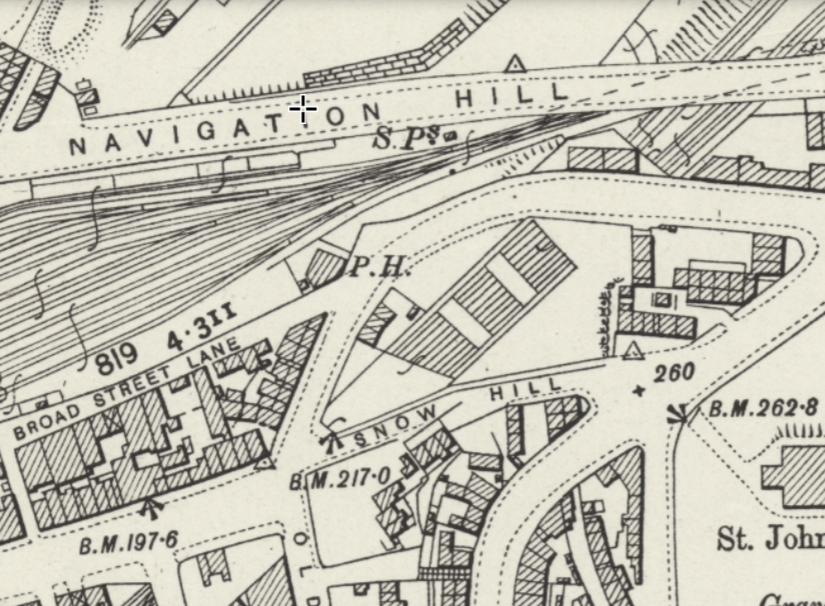
The demolition of this pub will make way for a decent number of much needed housing, so I can understand the planning argument for its loss. Nonetheless, another pub is gone in Sheffield.
Crimea Tavern, Castleford
Approval for the demolition of the Crimea Tavern pub in Castleford:
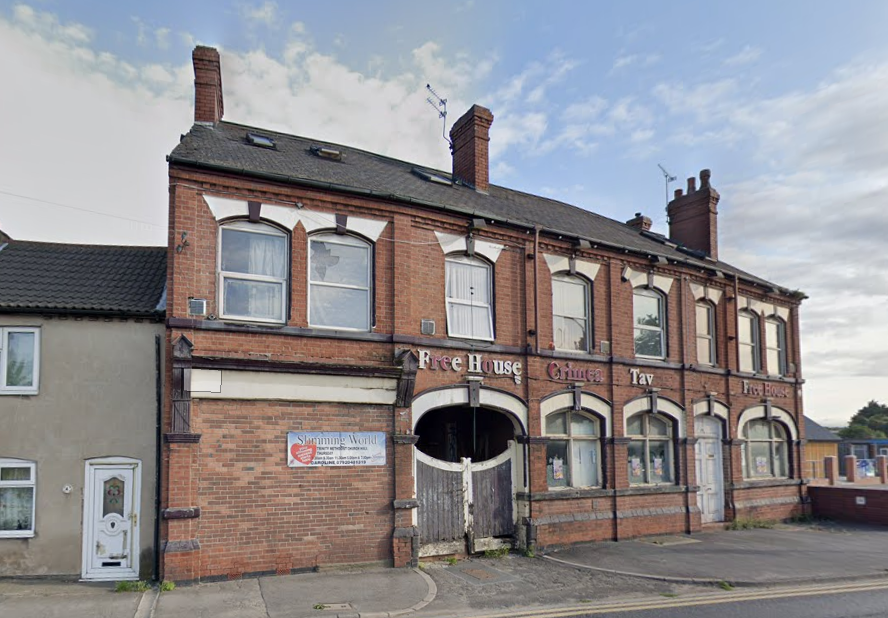
Castleford is bleak, and losses like this will only make it bleaker.
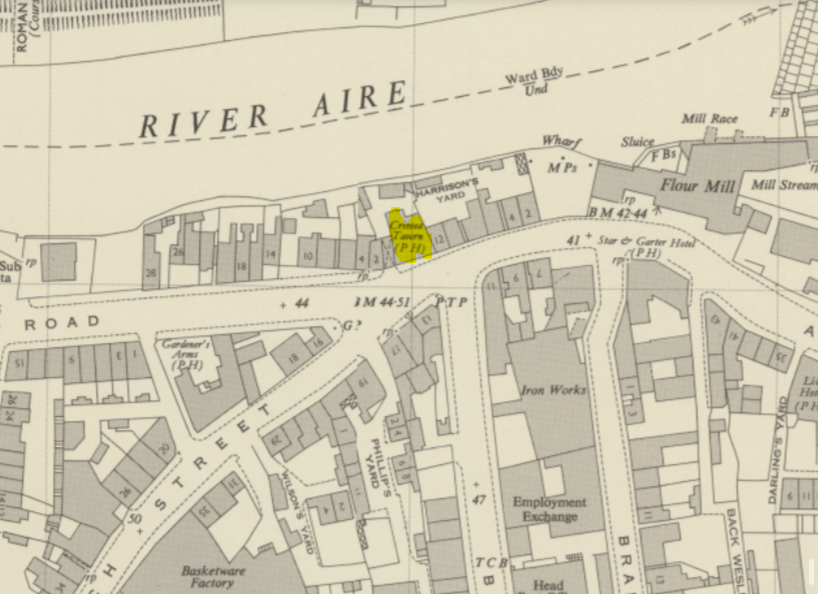
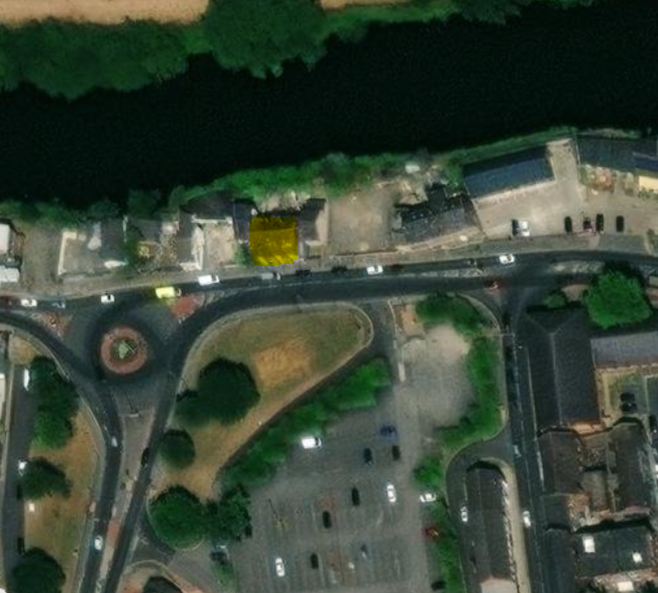
Until the mid-twentieth century, the pub was at the centre of a High Street at the North end of the Town on the bank of the River Aire. Clearances, highway engineering, and de-industrialisation have left this end of Castleford bereft of any urban form. A dual carriageway, surface car parks, and dog shit infested grass verges replaced the Victorian urban grain.
The demolition is a continuation of this mentality. It was purchased by the Wakefield Council as part of the plans to regenerate the Riverside for £1.2m. At this price, any offers from potential publicans would clearly be excluded from bidding. Various other buildings have been purchased by the Council in an exercise of land assembly reminiscent of post war urban renewal – a period lamented by urban designers and conservationists ever since. Described as a ‘blight’ by local councilors, it seems that decisions makers in small towns are still unable to imagine a derelict building coming back to life. Shameful.
The images below compare Castleford from the 1950s to the modern day. Beautiful streets, replaced with nothing but tarmac.
The New Inn, Drighlington
Application to demolish a pub that sits between Morley and Drighlington:
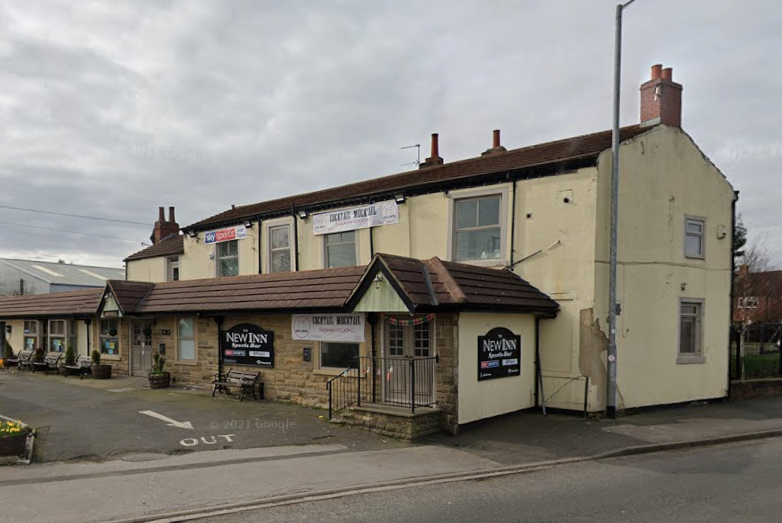
Another old Victorian Pub succombs to housing pressures in the Motorway belt to the south of Leeds.
The pub, shown on Victorian maps, closed last year. This isn’t really enough time to suggest there is now no demand for a public house in the area. No evidence to suggest it has been marketed as a pub is attached to the application. The national planning policy framework clearly states that Council’s should guard against the unnecessary loss of valued facilities such as pubs. Can’t get clearer than that.
At the very least, the developer could retain the building and find another commercial use, allowing the option for the pub to reopen at a later date. The replacement four story building is not really appropriate for the rural location, and will generate another 8 to 16 vehicle movements by commuters into Leeds each day.

Reindeer Inn, Wakefield
Yes another pub to be dropped for housing:
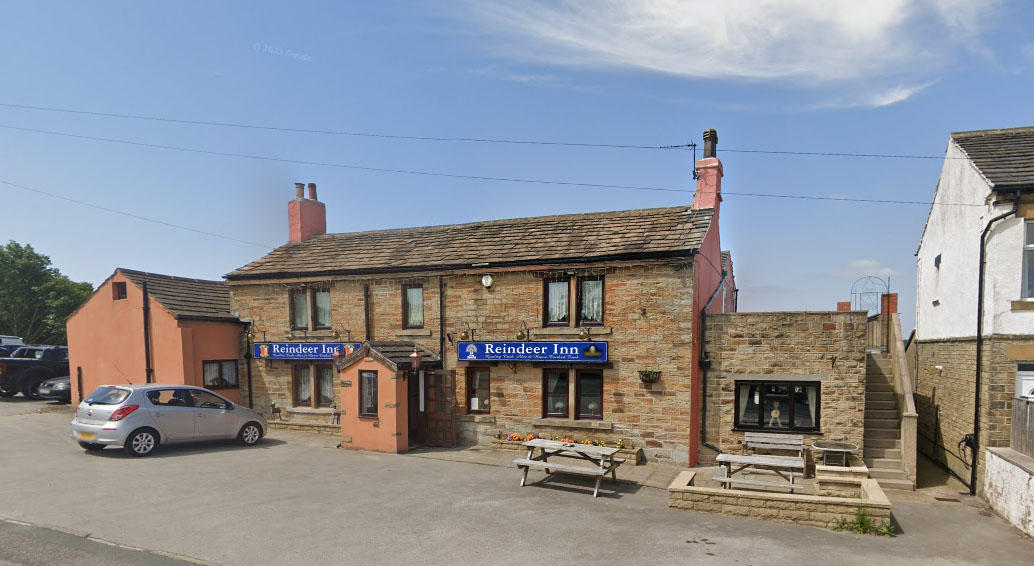
A pub dating back to the early 1700s in the coalfields of West Wakefield is set to be demolished for 5 houses.
The pub is owned by the National Mining Museum in Flockton, as it was an important destination for thirsty miners after a shift so is fundamental to the museum’s estate in providing the full narrative of mining culture.
Presumably the sale of the pub is to maintain the museum’s revenue budget. However asset disposal is never a sustainable way of ensuring cultural institutions remain in place. Furthermore, the demolition of the pub is not required for conversion to housing.
Plenty of opposition from heritage groups has come forward, including the Georgian Group and Historic Buildings And Places cogently citing planning policy which can not be refuted.
Hopefully this input will offer enough weight for the planning case officer to make the right decision.

The five houses proposed for the site, which could easily be accomodated without the demoliton of the pub.
Gas Club, Huddersfield
Plans to demolish the iconic Gas Club, and last gas holder in Huddersfield:
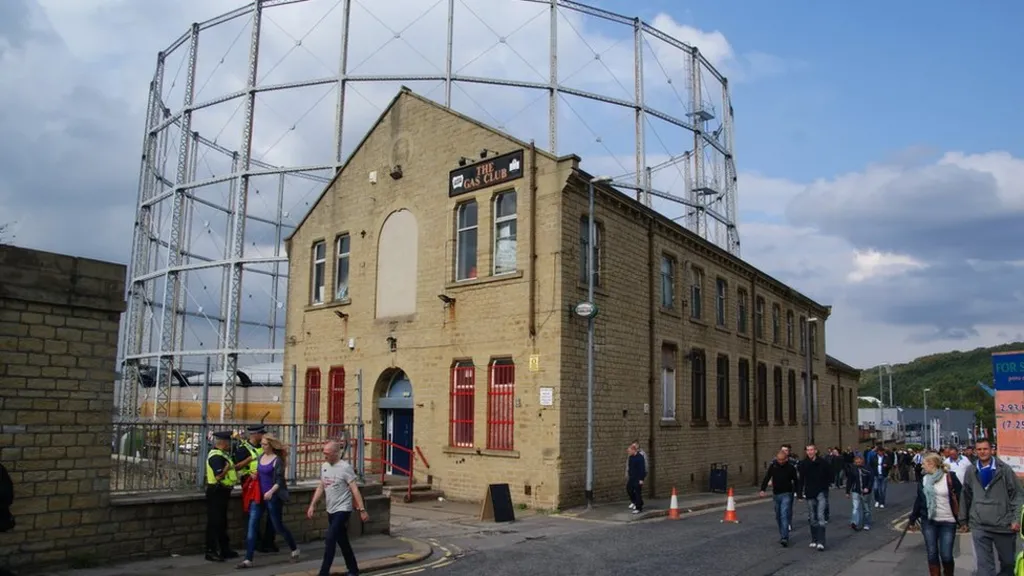
An application has been submitted by Northern Gas Networks to clear their site off Leeds Road, Huddersfield. The route, which is populated by thousands of Huddersfield Town fans on match day is known by everyone in the Town, and the Gas club is the most important fans’ pub being tantamount to a club house. The gasholder is likely a liability as it is no longer used. But the demolition of the pub is a default inclusion in their asset management strategy. Its a popular venue with a large thriving community that is also home to Rawthorpe Boxing Club.
Local and national media have covered the plans in detail and there is universal lamentation over its proposed loss. Planning Officers now need to negotiate the retention of this icon using whatever legal instrument they can summon.
The site which will be infilled and tarmacked is a fascinating insight into the town’s industrial history. The service railway is still visible, set in the cobbled yard. An overlooked artifact that has survived for over a century.
I sincerely hope the correct decision is made, as there is no justification for the demolition of the Gas Club.

 The Demolition Register