The Old Vicarage, Micklefield
Application to demolish a vicarage and rebuild a modern detached property:
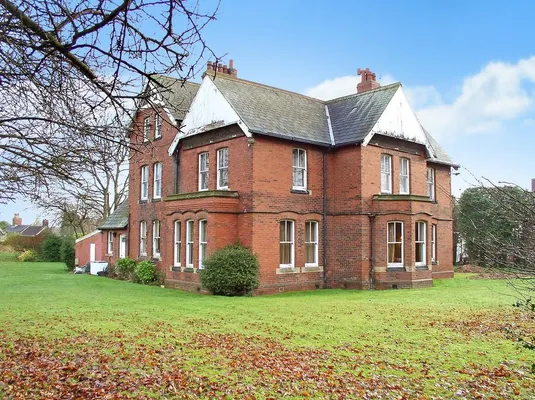
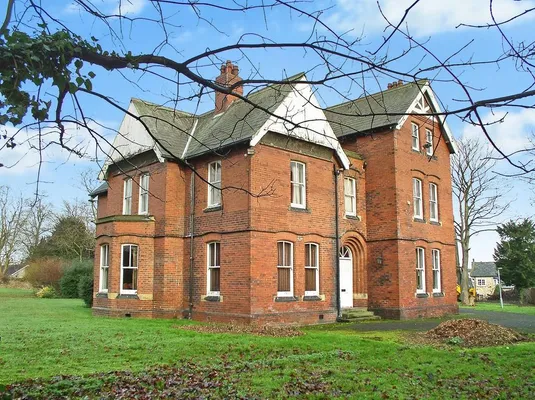
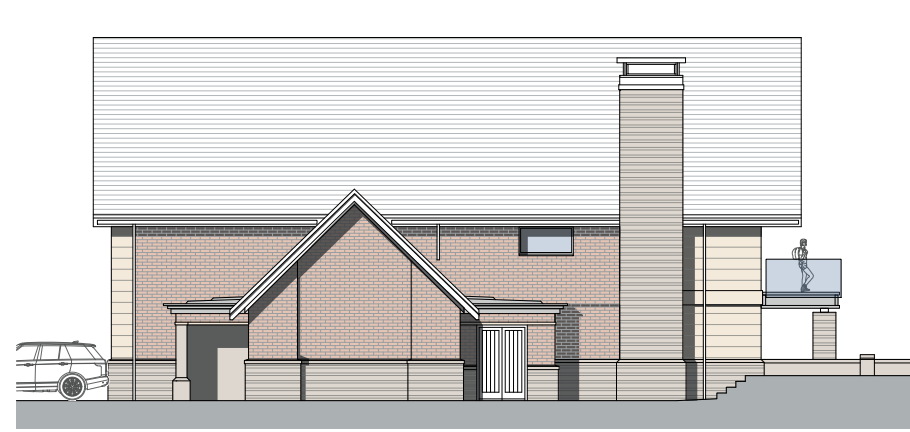
One of the oldest buildings in Micklefield, the old vicarage, adjacent the Church of Saint Mary the Virgin will be demolished and replaced.
The gable ends are finished in wood panelling which is atypical for the area. The lintel string above the ground floor is also a unique detail, with arched intervals above the windows. This form of detailing is a lost art and will be missed when the new building is approved.
Victorian terraced houses, South Bradford
Plans to demolish the end two houses on a Victorian terrace in Shelf, near Bradford:
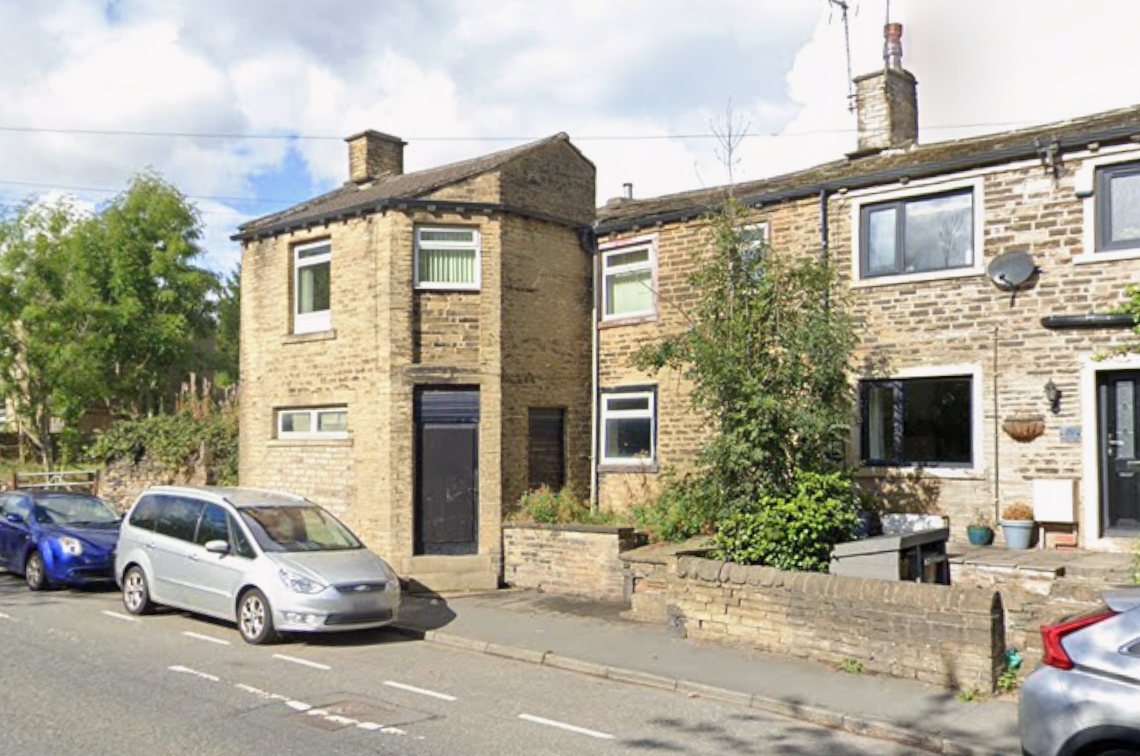
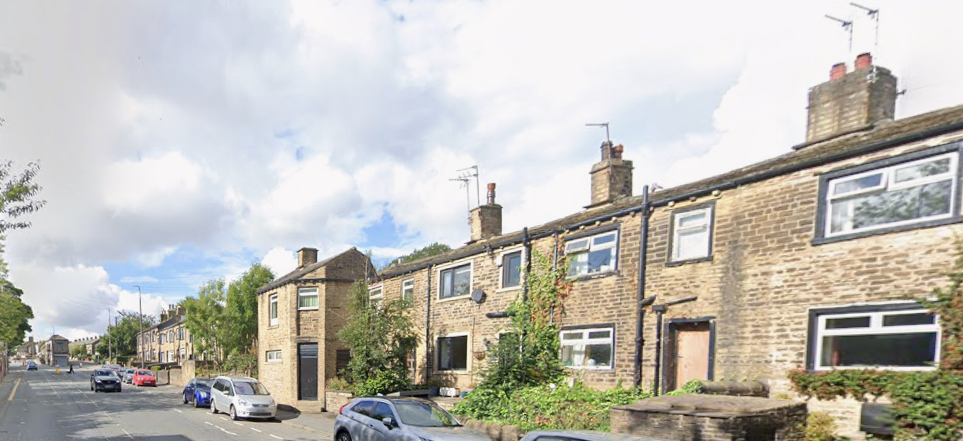
A demolition notification for a very interesting end terrace house in the village of Shelf has been submitted to Calderdale Council. The building is unlisted, and not in a conservation area, meaning that the building can be demolished with prior notification to the Council.
A really stunning work of Victorian domestic architecture, there is no other building like this in the world. It is these strange quirks of built form that catch your eye as you travel around West Yorkshire that make it so special.
The surrounding area reamins Victorian in character, so this hole in the street will be a great shame to the cohesion of what is a rare example of an intact Victorian streetscape.
Bernard Cottage, Sheffield
Application to knock down an office block, which includes a historic villa in Sheffield:
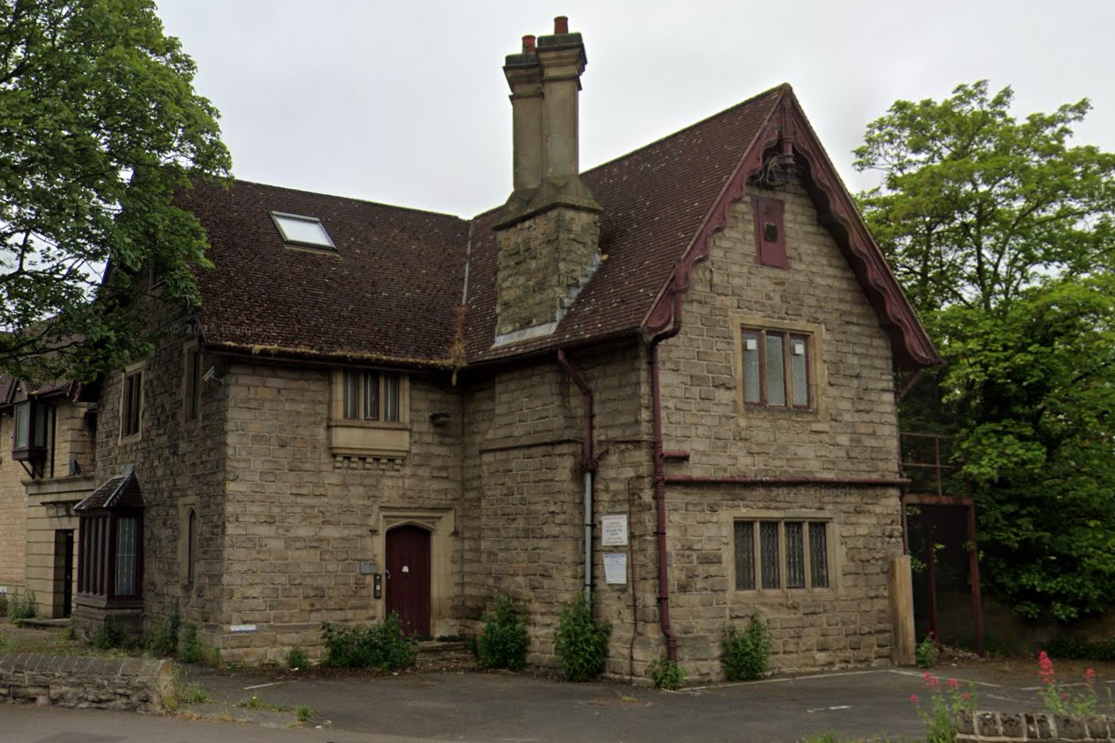
Shown on the town plans series of historic maps that were drawn up between 1840 and 1860, this Victorian villa has been incorporated into a more modern office development to the south of Sheffield City Centre, and is now the subject of an application to clear the site.
The stone mullions and tall ornate diamond chimney pair suggest the building is much older than the date of the map, and was erected well before the area was a highway dominated fringe of the city centre.
Shame to see it lost to progress. The chimneys in particular show a lost art in stone masonry unlikely to ever be repeated.
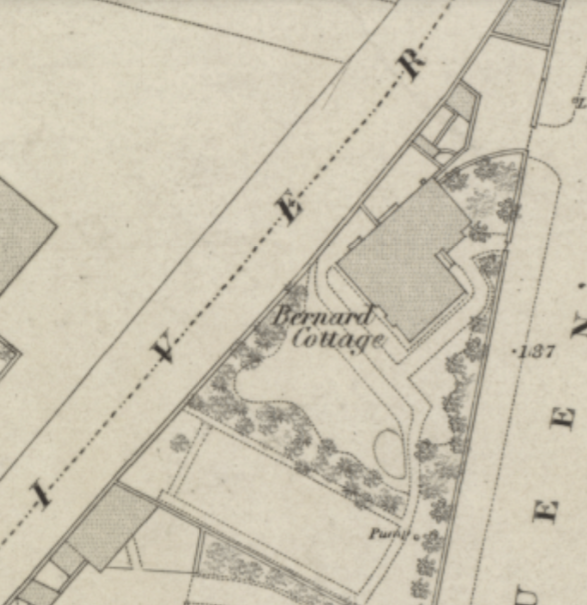
The building named as Bernard Cottage on the 1840-60 map
Veterinary surgery, Ilkley
Plans to demolish a beautiful Victorian House in Ilkley for three houses:

Currently operating as a vets, this late 19th century house is to be demolished to make way for three new townhouses.
The proposal is a good design, albeit lacking chimneys. However, there isn’t a need to demolish the existing building at all. Hardly any old buildings are still standing in Ben Rhydding – the Eastern suburb of Ilkley. Its not a notable building by any means, but it is the type of building that will be missed by the locals that walk past it each day. When there is no need to demolish a building, why not keep it and convert it creatively? Those stones benefit from over a century of weathering. That is a long wait to see the character of a building begin to reflect its relationship with nature. A century of storms, snow, sun, all captured in the stone.
Terraced row, Sheffield City Centre
A charming terrace in Sheffield to be lost:
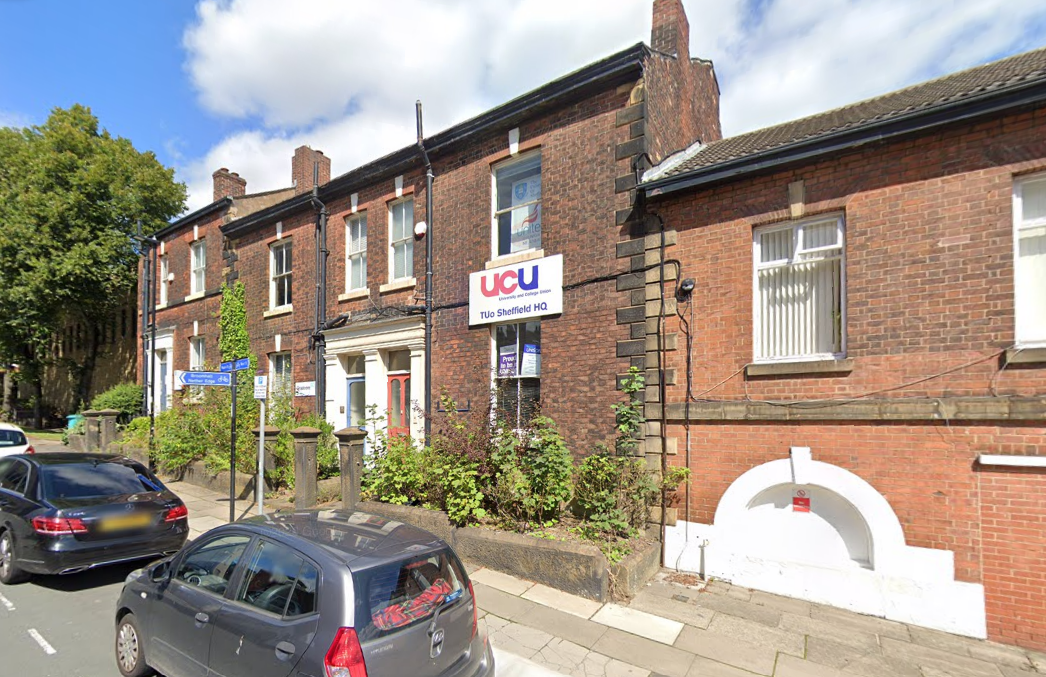
Swift and clinical. This was a prior notification so three weeks between submission and decision.
These houses appear to be of a very old South Yorkshire stock brick which mottles grey and red predating the mass movement of building materials on the railways. A perfectly serviceable cluster of terraced houses in the University’s portfolio, this must relate to the substation to the rear where back gardens should be. Bigger vehicles, more access needed.
A beautiful stagger of a building line, the correct amount of asymmetry. Was it designed like that or was it all incidental? Who knows – its a lost art.
The three foot high arch to the right is an enigma. Some urban archaeologist could explain it I’m sure. They were never that short in Sheffield.
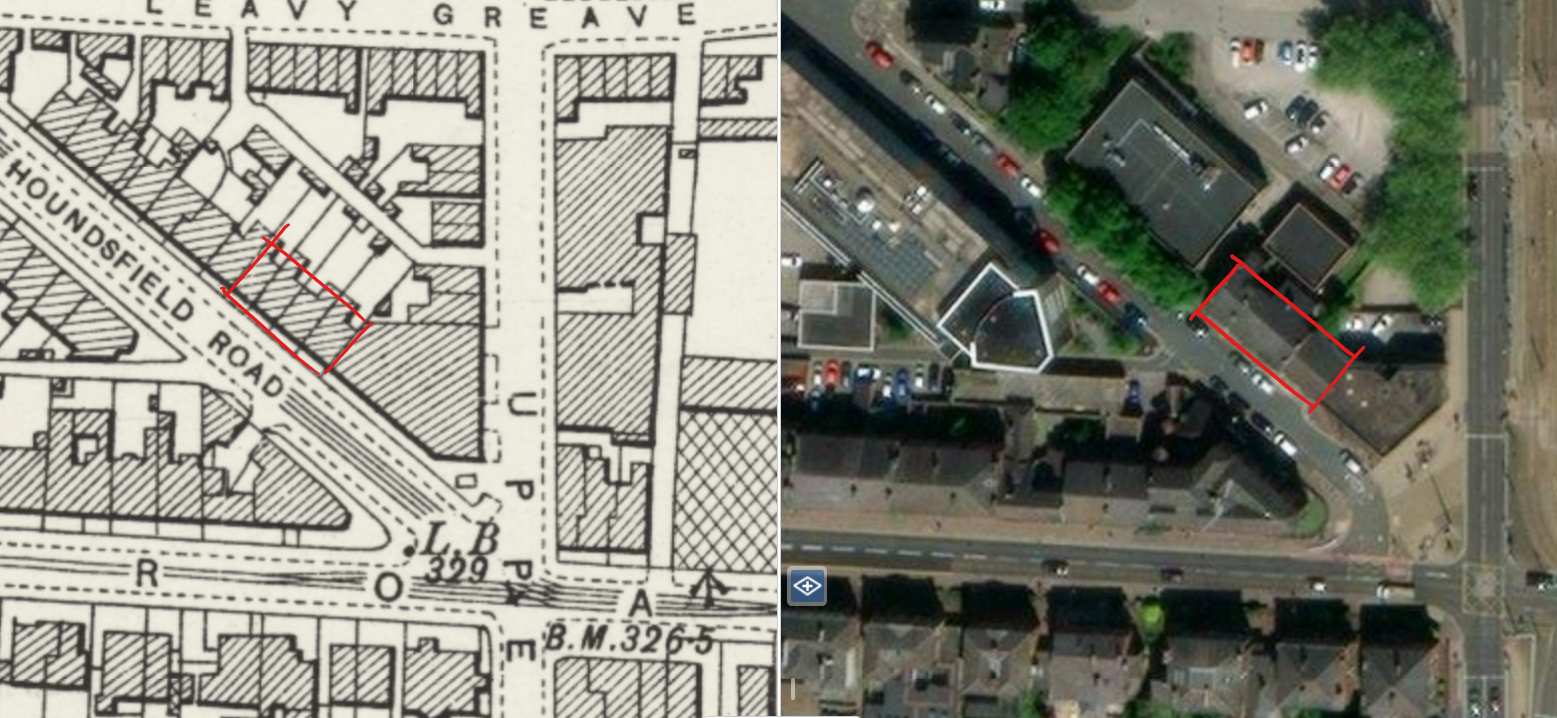
Bramham House, near Leeds
19th century manor to be demolished for housing:
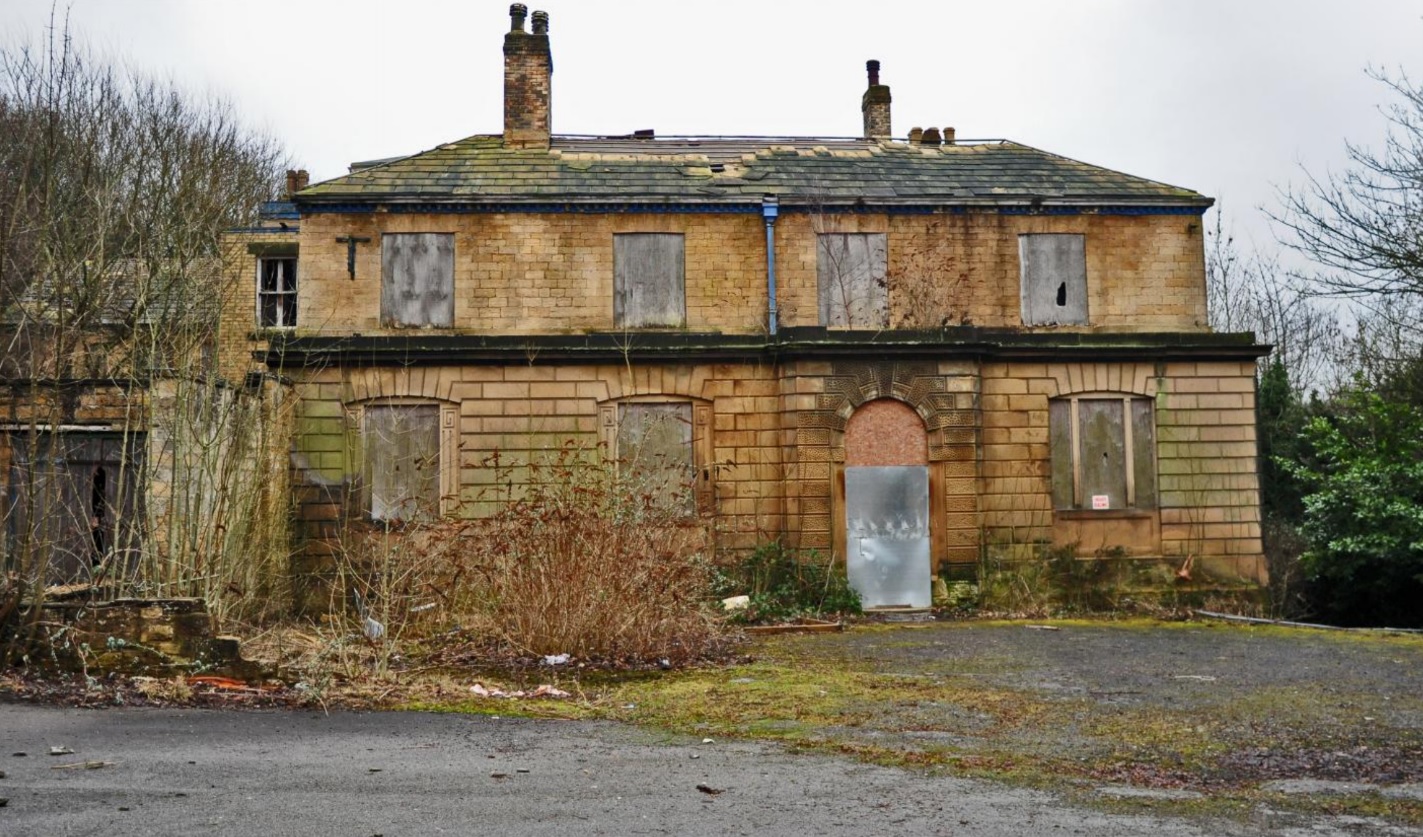
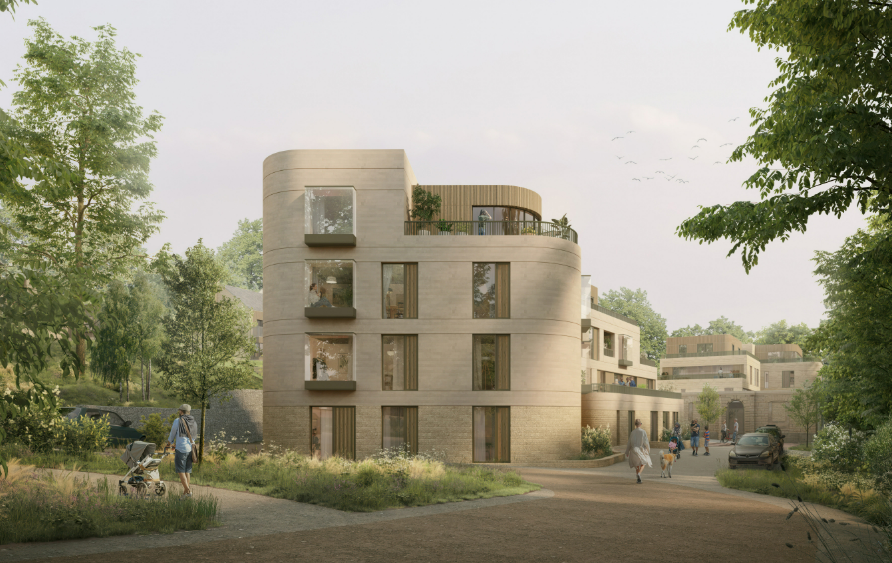
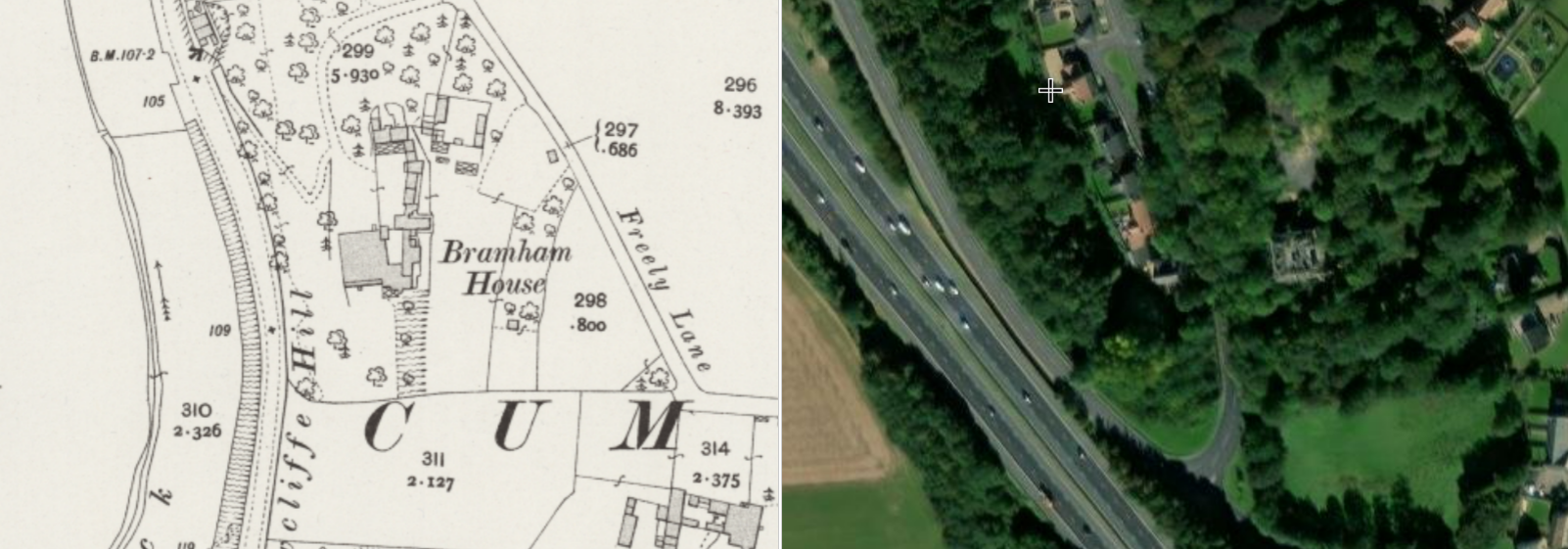
Bramham House, built in 1806 remains unlisted, and has fallen into a state of dilapidation. An application for housing development has been received by Leeds Council, that would involve the demolition of the building with the exception of the ground floor front elevation which would be incorporated into the new housing.
Incredibly sad to see a house of this age fall apart and ultimately become unfeasible for restoration. I hope this wasn’t the preferred strategy of the owner, as there are scores of similarly neglected houses in the UK, and there is a duty of care to look after these historic places.
Nonetheless, the proposed housing is impressive in design terms (although that may just be the eye-catching renders). Residential housing design has to move forward and this feels like the heritage of the future in the making.
Still, I’d rather see the building restored and incorporated into the development.
West Grove House, Bramley, Leeds
Victorian mini-mansion to be demolished for 8 houses in Bramley:
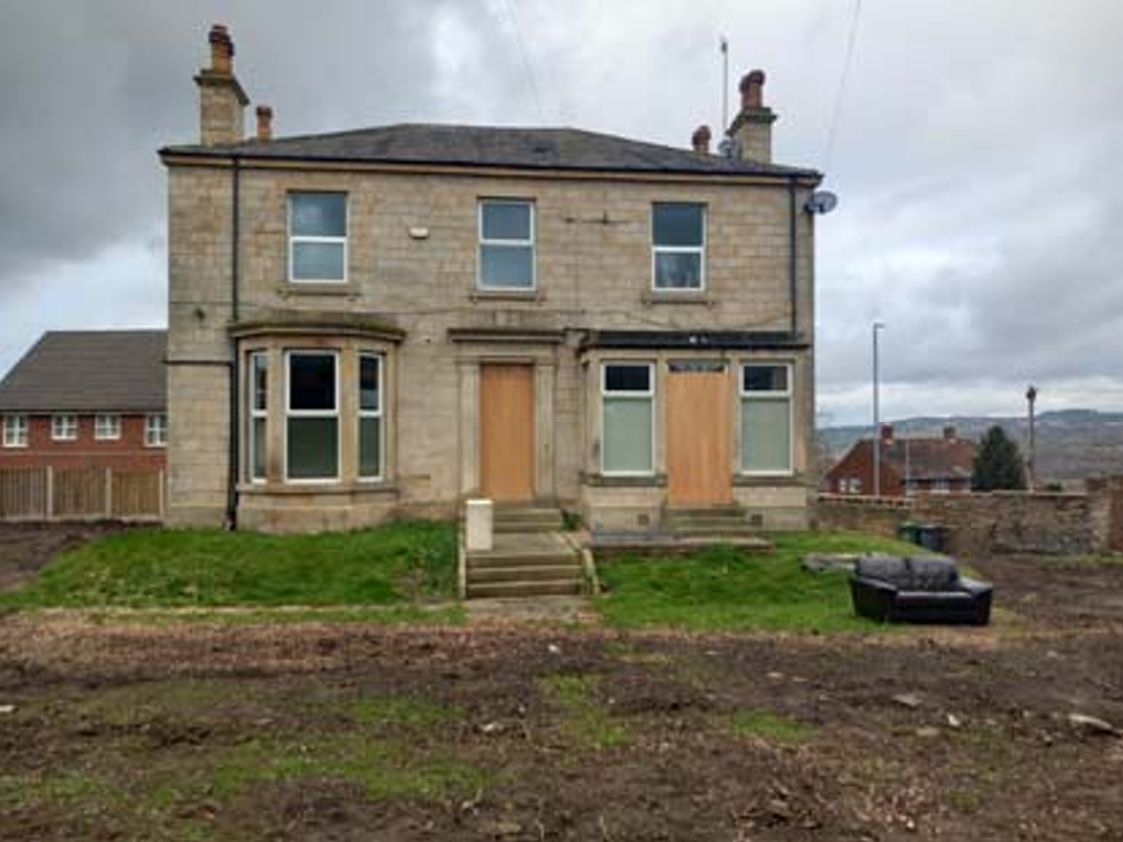
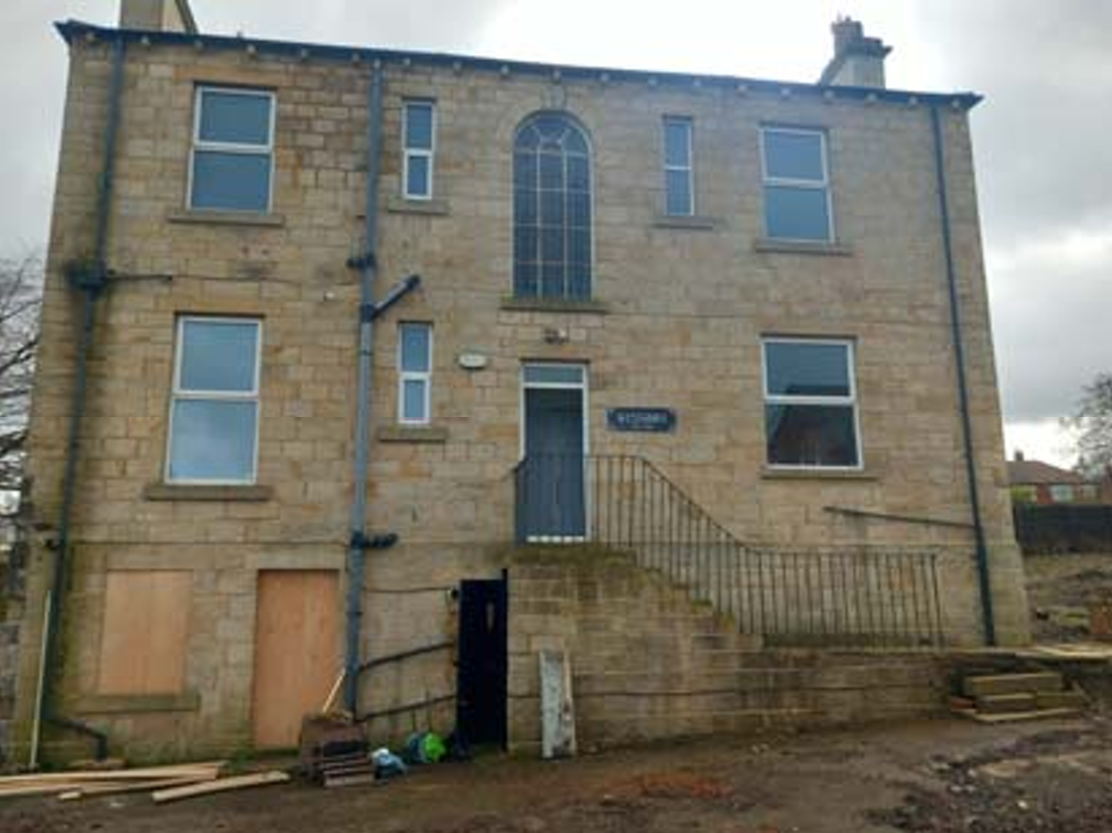
Looking at this historic maps of Bramley, this would appear to be West Grove House, which somehow survived the suburbanisation en-mass of Bramley. As such the house now sits within a matrix of semi-detached red brick former counsil housing behind high hedges and an estate wall.
I doubt this house would make it to Heritage England’s list, and with no heritage status the application is likely to be successful.
It seems odd that this is exactly the type of villa the high-end bespoke developers are trying to emulate with their new builds. Is it worth sacrificing for a net gain of 8 dwellings? Probably not. Conversion into flats would offer a similar return, and the grounds are large enough to develop a couple more units.
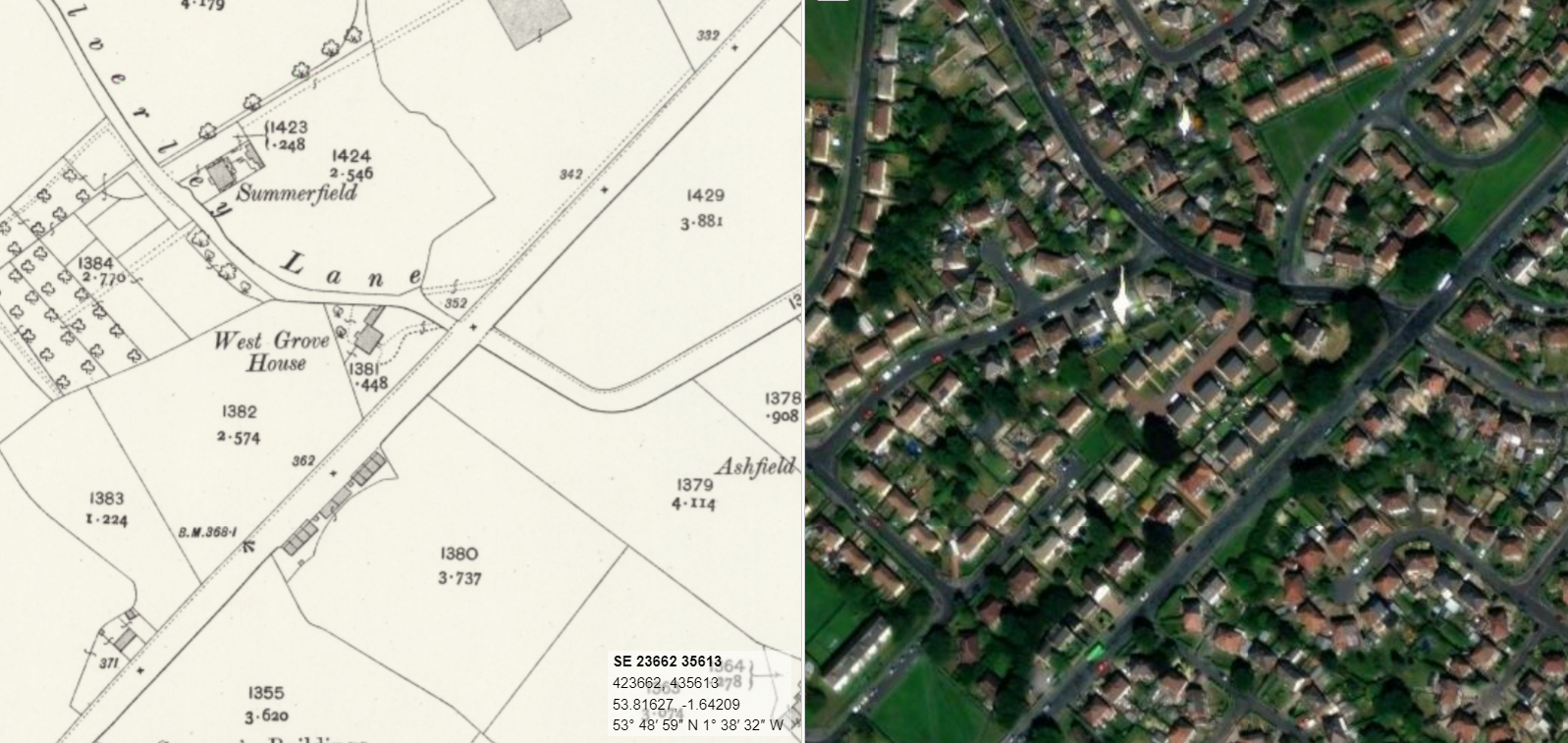
West Grove House, as a country villa, and latterly subsumed into the suburb of Bramley. Source NLS
Ornate house in South Cave, East Yorkshire
Plans to demolish a house to allow for access to a proposed volume housing development:
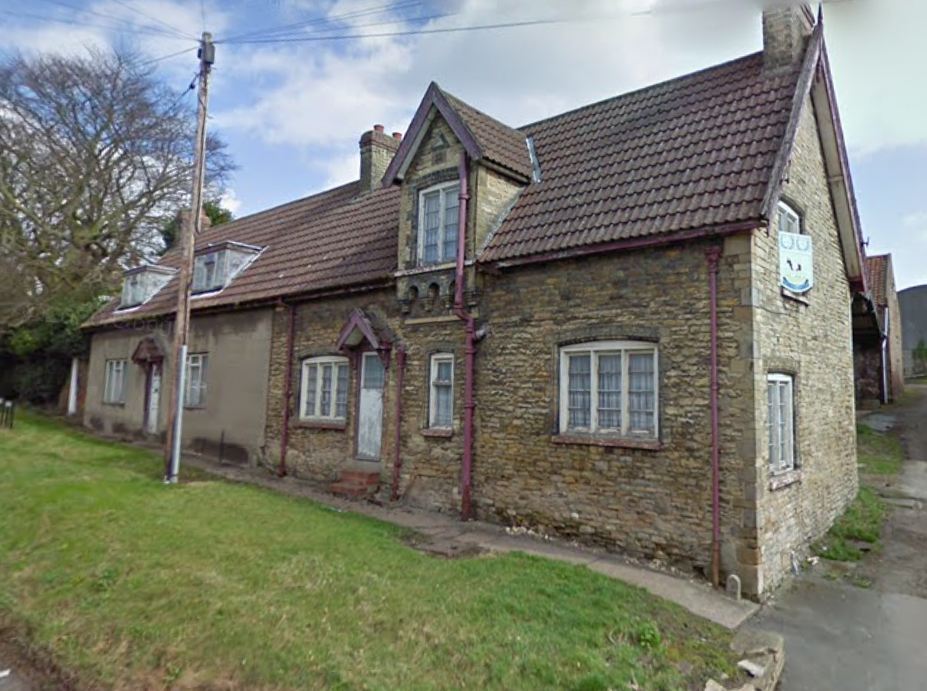
A very historic component of the Market Place in South Cave, this pair of houses is required to be demolished to allow for road access to a larger development to the rear.
The Humber Historic Environment Record have objected to the loss, stating that previous plans viably retained the house. As such it would be unlikely the planning officer could depart from this recommendation. So hopefully the building will be saved.
Quirky end terrace, Sheffield
An interesting Victorian end terrace to be replaced with a new dwelling near Norfolk Park in Sheffield:
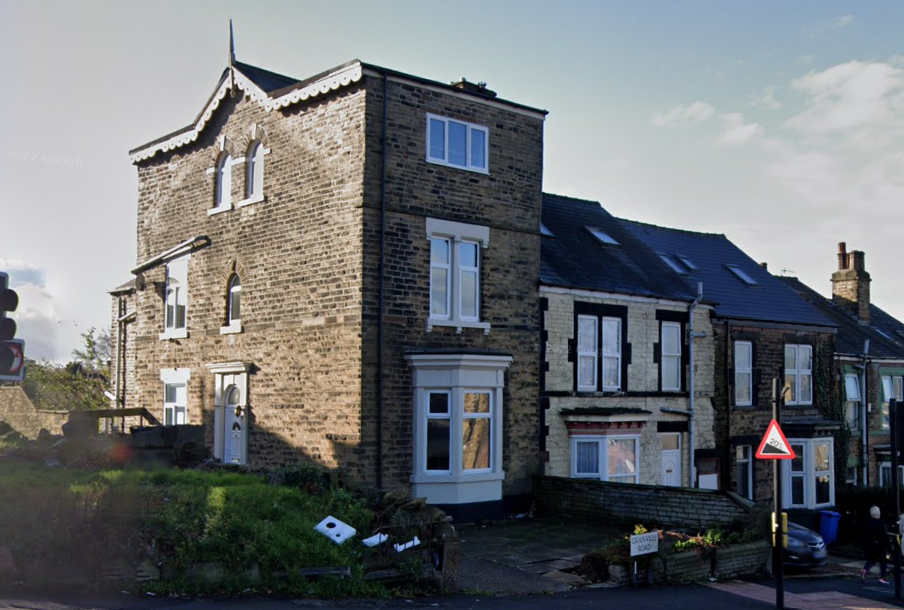
Nowhere near being on the radar of any conservation body, this town house punctuates the end of this Victorian terrace, and is an example of how families would extend their houses before the age of the ubiquitous box dormer.
While its loss would not ruin the street, these quirky terminating buildings always add the story an urban street tells.
UPDATE: This application has subsequently been refused.
Possible former Church? Upper Brook Street, Manchester
(Possibly a house, possibly a Methodist church) to make way for student accommodation in Manchester:
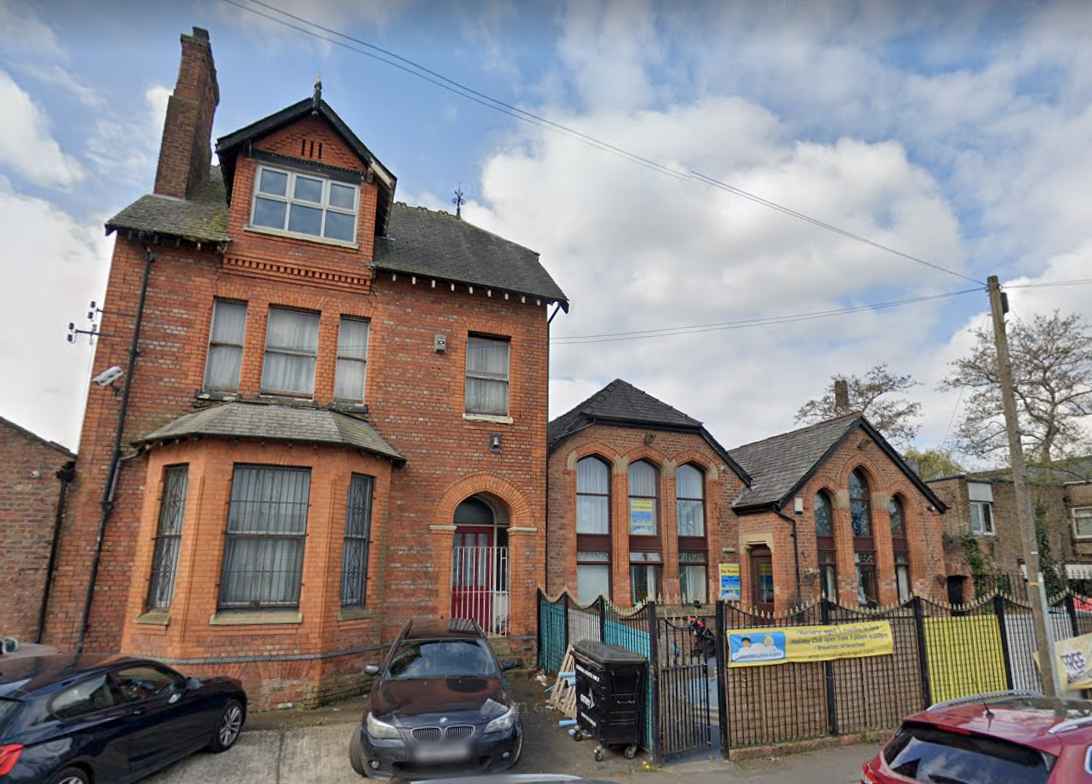
Genuinely flummoxed by the age and origin of these buildings. They appear ecclesiastical, but no reference to a church on the Ordnance Survey is made on historic maps. I can’t see the buildings (to the right) being used as houses, so their purpose eludes me.
Still, attractive buildings nonetheless. And the last of the old stock along Carmoor Road adjacent to upper brook Street in Manchester’s University Quarter. It follows that their replacement is to be a block of mid-rise student flats.
While the intensification of the site is a good idea for such a central location in the city, I still lament the loss of the buildings pictured above, which could only ever be from old school Britain. A recent tirade against the studentification of urban centres has presented itself in the media. I fully support the decanting of students from suburban ‘family housing’ into city centres, but I still wish one of the many surrounding tin sheds could pave the way for such a development.
The street will soon be block after block, rather than building after building. I like to see a city grow upwards, but not at the expense of a good solid street frontage.
 The Demolition Register