The Durham Ox, Sheffield
Pub in Sheffield on the edge of Park Hill to be demolished for 22 flats:
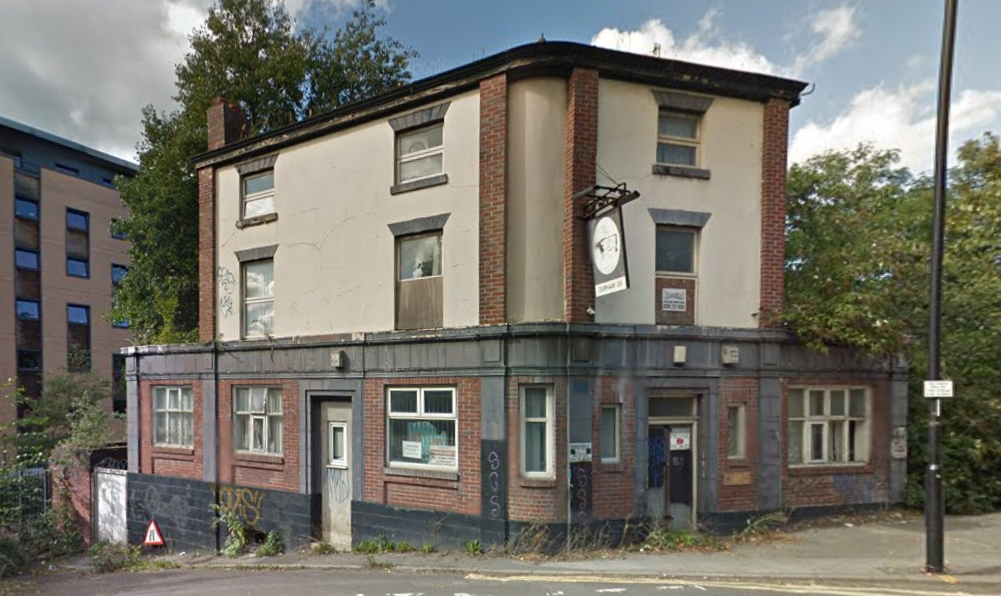
One of many closed pubs on this road in regenerated Sheffield, The Durham Ox has been closed for a very long time (doors closed in 1993!) in spite of a burgeoning renewed residential population in the 10 story flats that have recently appeared.
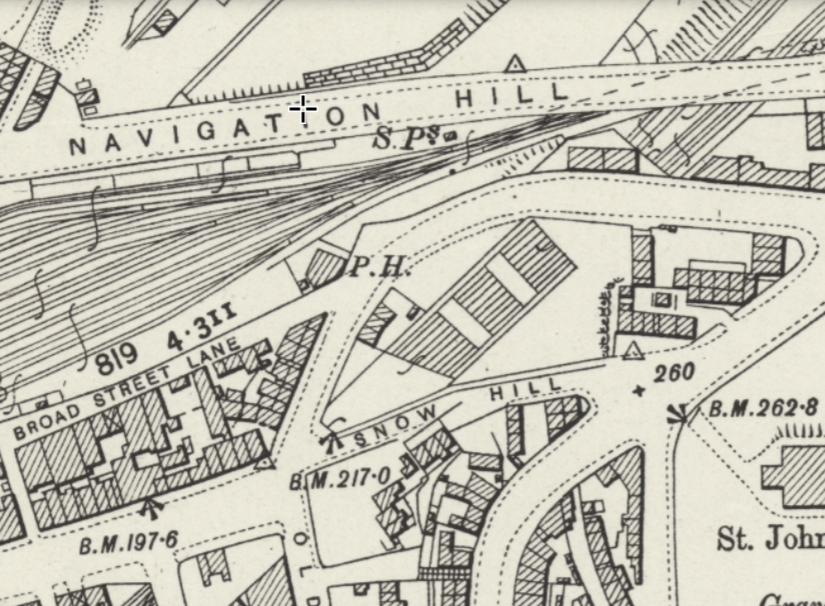
The pubs escaped the clearances of the 1960s to make way for the Park Hill estate and its surrounding Council housing, and managed to survive for 50 years. The map below from circa 1900 shows the densely knitted urban fabric of the area before it was swept away.
The demolition of this pub will make way for a decent number of much needed housing, so I can understand the planning argument for its loss. Nonetheless, another pub is gone in Sheffield.
Crimea Tavern, Castleford
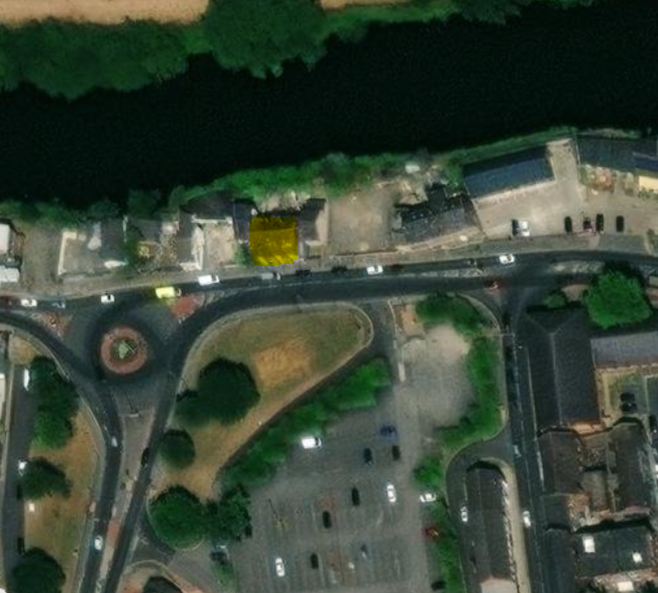
Approval for the demolition of the Crimea Tavern pub in Castleford:
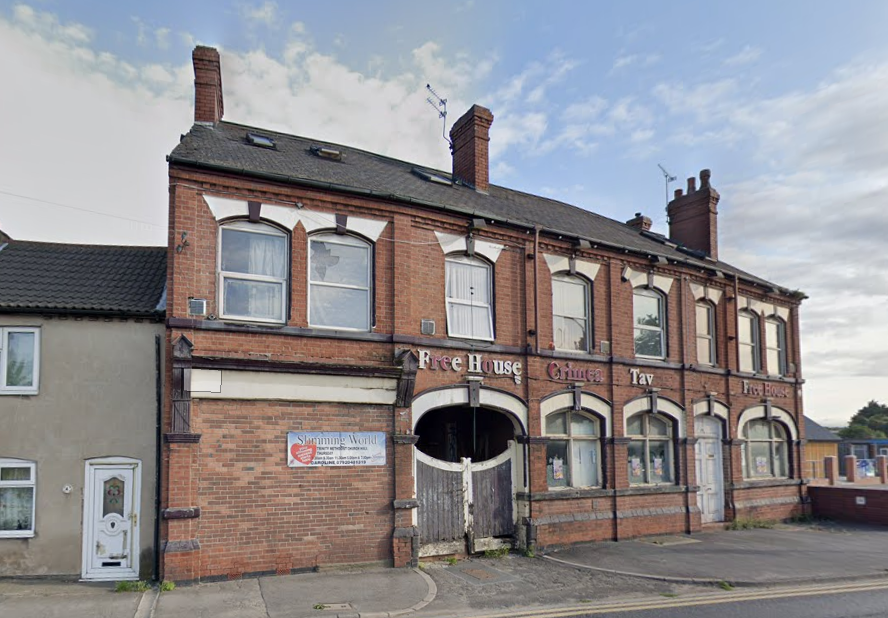
Castleford is bleak, and losses like this will only make it bleaker.
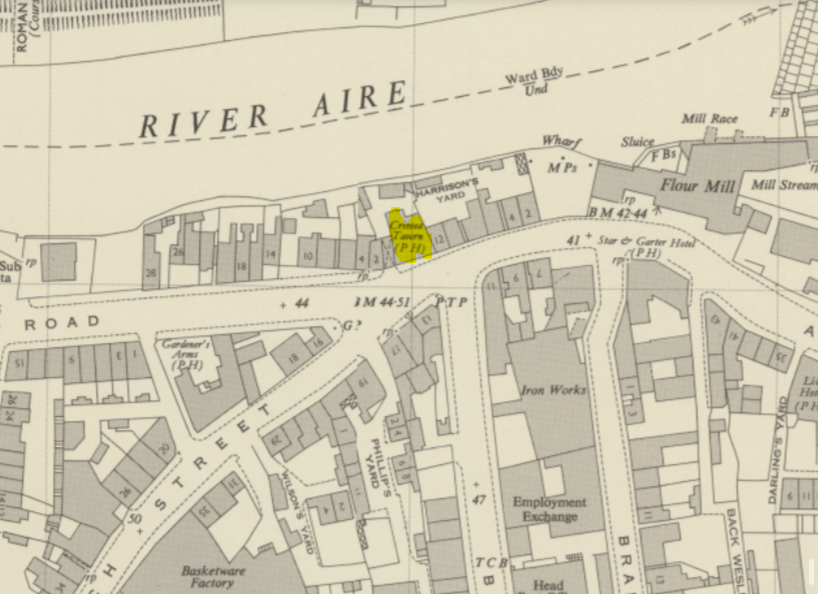
Until the mid-twentieth century, the pub was at the centre of a High Street at the North end of the Town on the bank of the River Aire. Clearances, highway engineering, and de-industrialisation have left this end of Castleford bereft of any urban form. A dual carriageway, surface car parks, and dog shit infested grass verges replaced the Victorian urban grain.
The demolition is a continuation of this mentality. It was purchased by the Wakefield Council as part of the plans to regenerate the Riverside for £1.2m. At this price, any offers from potential publicans would clearly be excluded from bidding. Various other buildings have been purchased by the Council in an exercise of land assembly reminiscent of post war urban renewal – a period lamented by urban designers and conservationists ever since. Described as a ‘blight’ by local councilors, it seems that decisions makers in small towns are still unable to imagine a derelict building coming back to life. Shameful.
The images below compare Castleford from the 1950s to the modern day. Beautiful streets, replaced with nothing but tarmac.
Victorian terraced houses, South Bradford
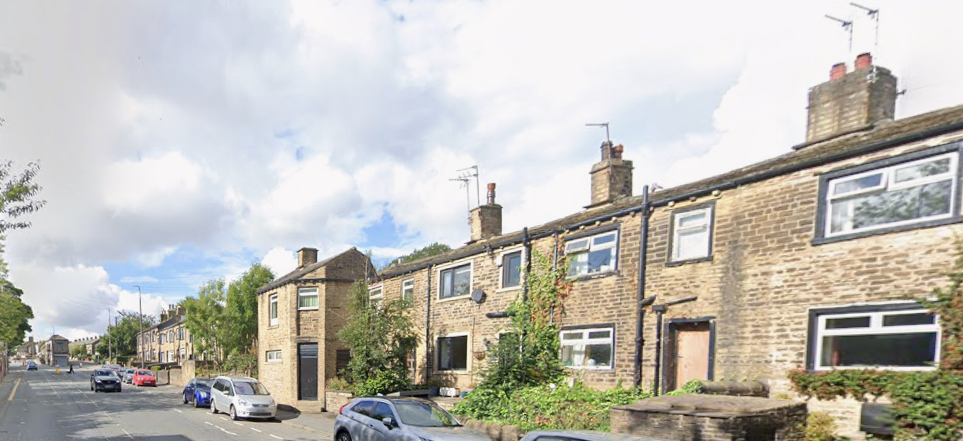
Plans to demolish the end two houses on a Victorian terrace in Shelf, near Bradford:
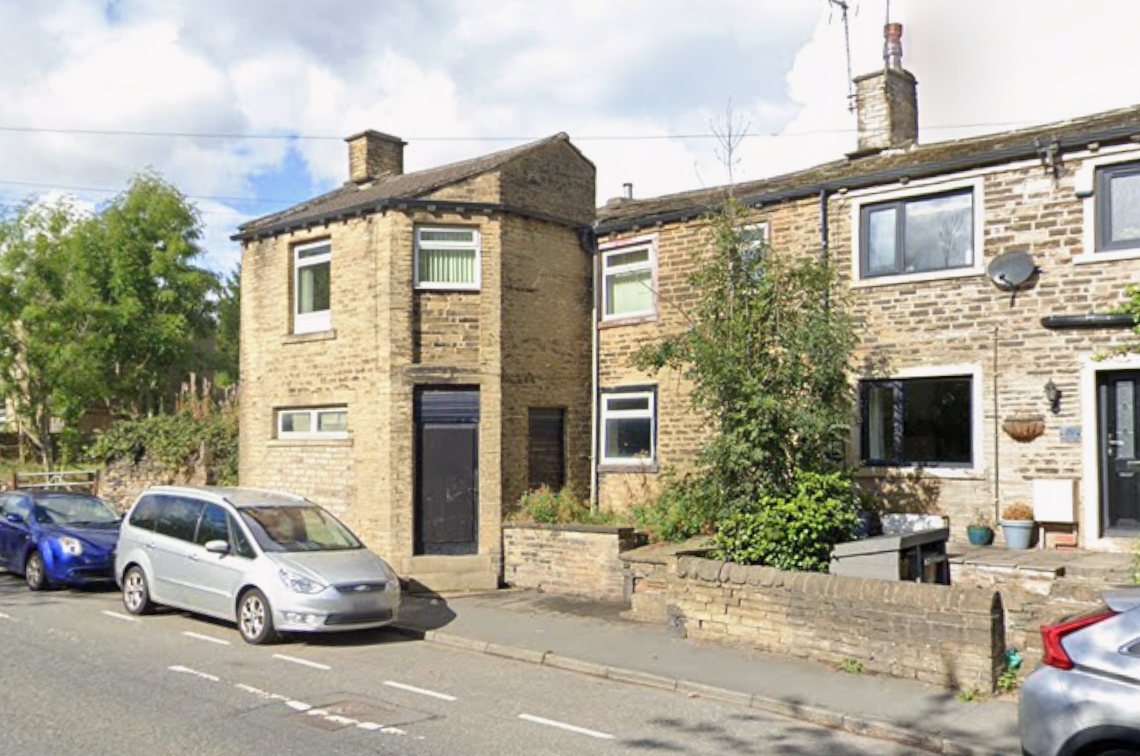
A demolition notification for a very interesting end terrace house in the village of Shelf has been submitted to Calderdale Council. The building is unlisted, and not in a conservation area, meaning that the building can be demolished with prior notification to the Council.
A really stunning work of Victorian domestic architecture, there is no other building like this in the world. It is these strange quirks of built form that catch your eye as you travel around West Yorkshire that make it so special.
The surrounding area reamins Victorian in character, so this hole in the street will be a great shame to the cohesion of what is a rare example of an intact Victorian streetscape.
The New Inn, Drighlington
Application to demolish a pub that sits between Morley and Drighlington:
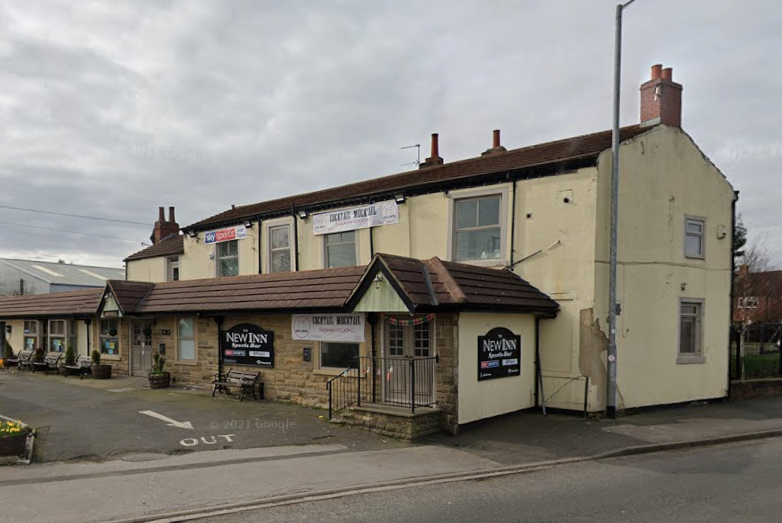
Another old Victorian Pub succombs to housing pressures in the Motorway belt to the south of Leeds.
The pub, shown on Victorian maps, closed last year. This isn’t really enough time to suggest there is now no demand for a public house in the area. No evidence to suggest it has been marketed as a pub is attached to the application. The national planning policy framework clearly states that Council’s should guard against the unnecessary loss of valued facilities such as pubs. Can’t get clearer than that.
At the very least, the developer could retain the building and find another commercial use, allowing the option for the pub to reopen at a later date. The replacement four story building is not really appropriate for the rural location, and will generate another 8 to 16 vehicle movements by commuters into Leeds each day.

Bernard Cottage, Sheffield
Application to knock down an office block, which includes a historic villa in Sheffield:
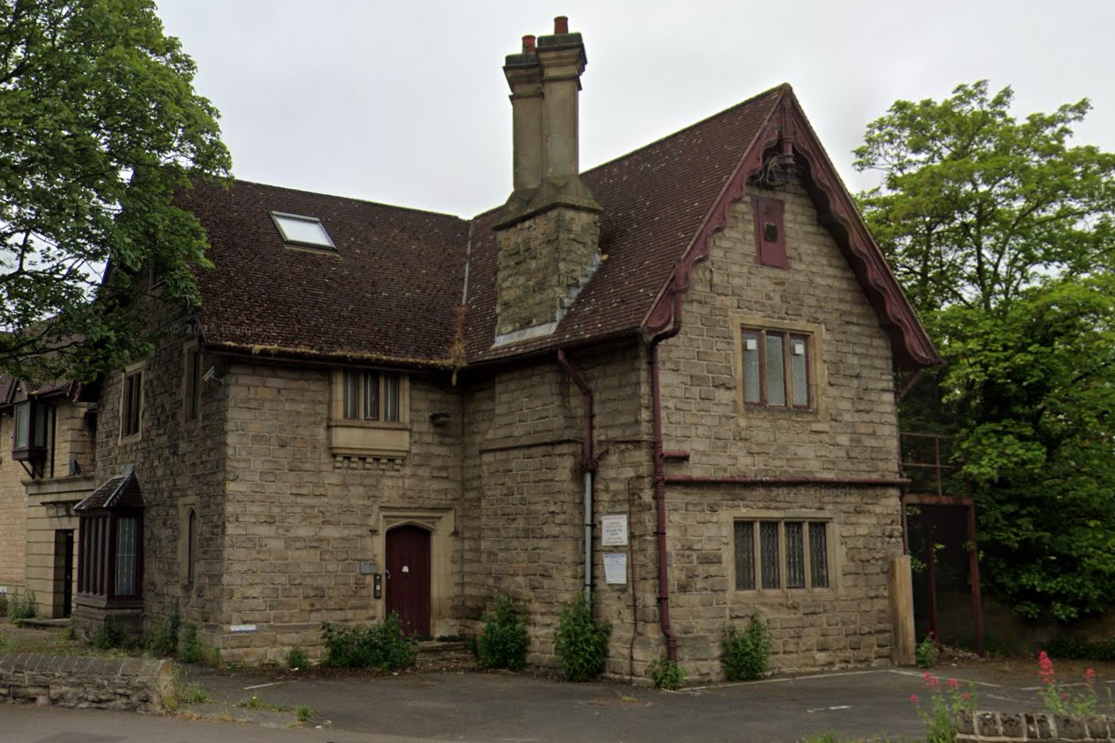
Shown on the town plans series of historic maps that were drawn up between 1840 and 1860, this Victorian villa has been incorporated into a more modern office development to the south of Sheffield City Centre, and is now the subject of an application to clear the site.
The stone mullions and tall ornate diamond chimney pair suggest the building is much older than the date of the map, and was erected well before the area was a highway dominated fringe of the city centre.
Shame to see it lost to progress. The chimneys in particular show a lost art in stone masonry unlikely to ever be repeated.
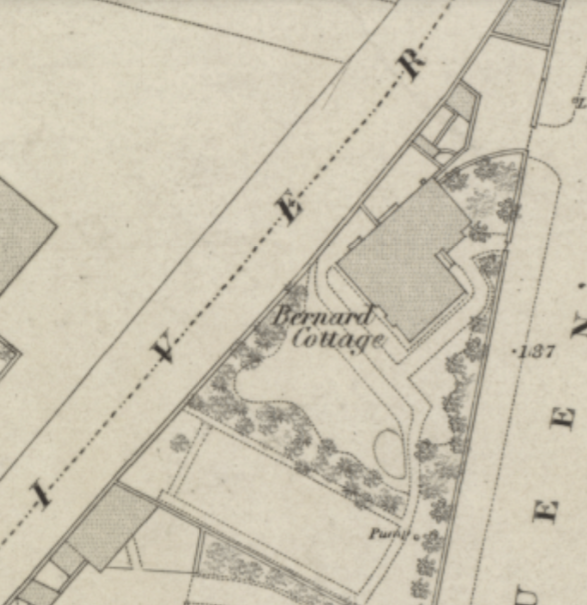
The building named as Bernard Cottage on the 1840-60 map
Reindeer Inn, Wakefield
Yes another pub to be dropped for housing:
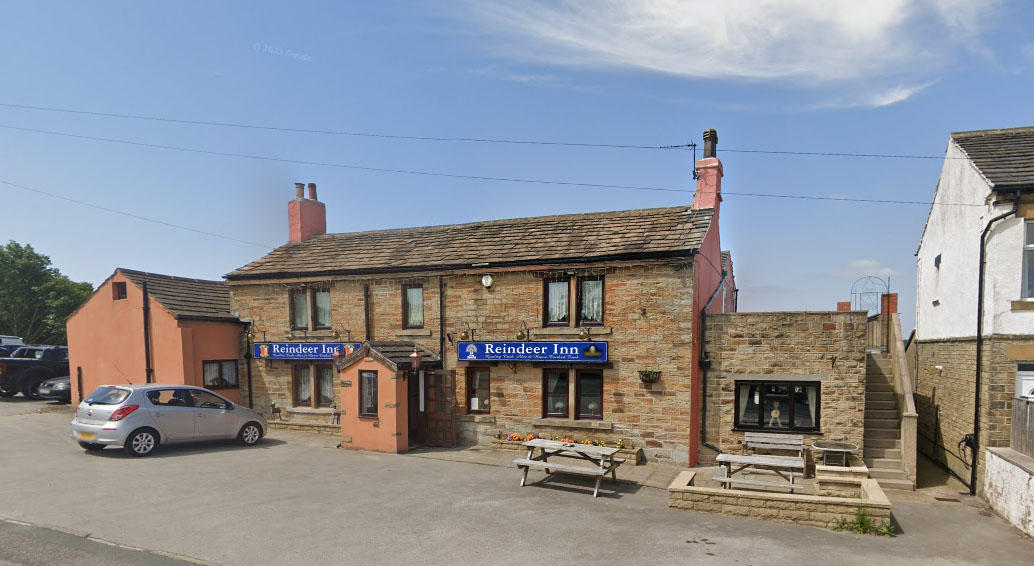
A pub dating back to the early 1700s in the coalfields of West Wakefield is set to be demolished for 5 houses.
The pub is owned by the National Mining Museum in Flockton, as it was an important destination for thirsty miners after a shift so is fundamental to the museum’s estate in providing the full narrative of mining culture.
Presumably the sale of the pub is to maintain the museum’s revenue budget. However asset disposal is never a sustainable way of ensuring cultural institutions remain in place. Furthermore, the demolition of the pub is not required for conversion to housing.
Plenty of opposition from heritage groups has come forward, including the Georgian Group and Historic Buildings And Places cogently citing planning policy which can not be refuted.
Hopefully this input will offer enough weight for the planning case officer to make the right decision.

The five houses proposed for the site, which could easily be accomodated without the demoliton of the pub.
Gas Club, Huddersfield
Plans to demolish the iconic Gas Club, and last gas holder in Huddersfield:
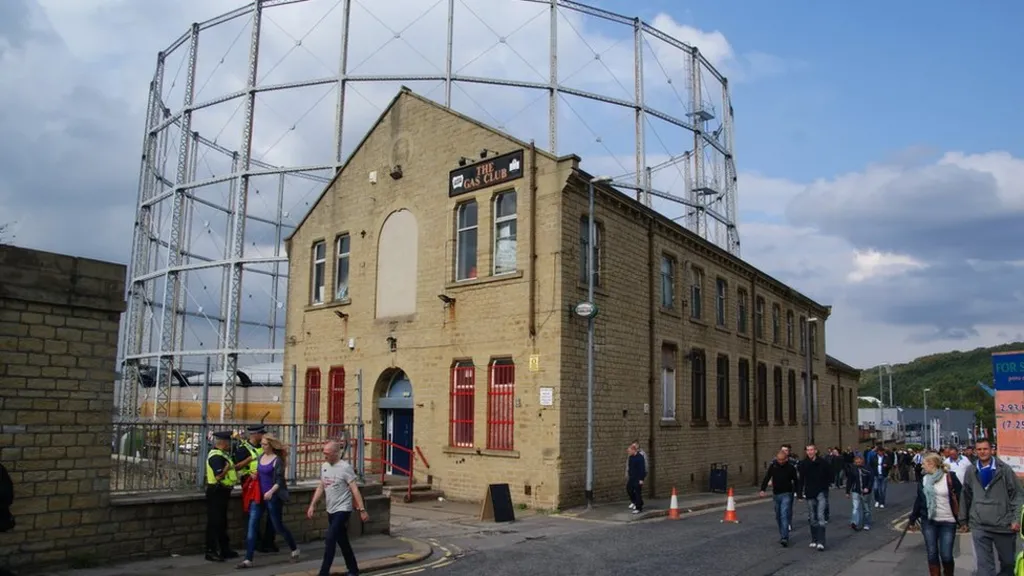
An application has been submitted by Northern Gas Networks to clear their site off Leeds Road, Huddersfield. The route, which is populated by thousands of Huddersfield Town fans on match day is known by everyone in the Town, and the Gas club is the most important fans’ pub being tantamount to a club house. The gasholder is likely a liability as it is no longer used. But the demolition of the pub is a default inclusion in their asset management strategy. Its a popular venue with a large thriving community that is also home to Rawthorpe Boxing Club.
Local and national media have covered the plans in detail and there is universal lamentation over its proposed loss. Planning Officers now need to negotiate the retention of this icon using whatever legal instrument they can summon.
The site which will be infilled and tarmacked is a fascinating insight into the town’s industrial history. The service railway is still visible, set in the cobbled yard. An overlooked artifact that has survived for over a century.
I sincerely hope the correct decision is made, as there is no justification for the demolition of the Gas Club.

Veterinary surgery, Ilkley
Plans to demolish a beautiful Victorian House in Ilkley for three houses:

Currently operating as a vets, this late 19th century house is to be demolished to make way for three new townhouses.
The proposal is a good design, albeit lacking chimneys. However, there isn’t a need to demolish the existing building at all. Hardly any old buildings are still standing in Ben Rhydding – the Eastern suburb of Ilkley. Its not a notable building by any means, but it is the type of building that will be missed by the locals that walk past it each day. When there is no need to demolish a building, why not keep it and convert it creatively? Those stones benefit from over a century of weathering. That is a long wait to see the character of a building begin to reflect its relationship with nature. A century of storms, snow, sun, all captured in the stone.
The Old Red Lion, Whinmoor, Leeds
Pub to be demolished for a McDonalds Drive-thru:
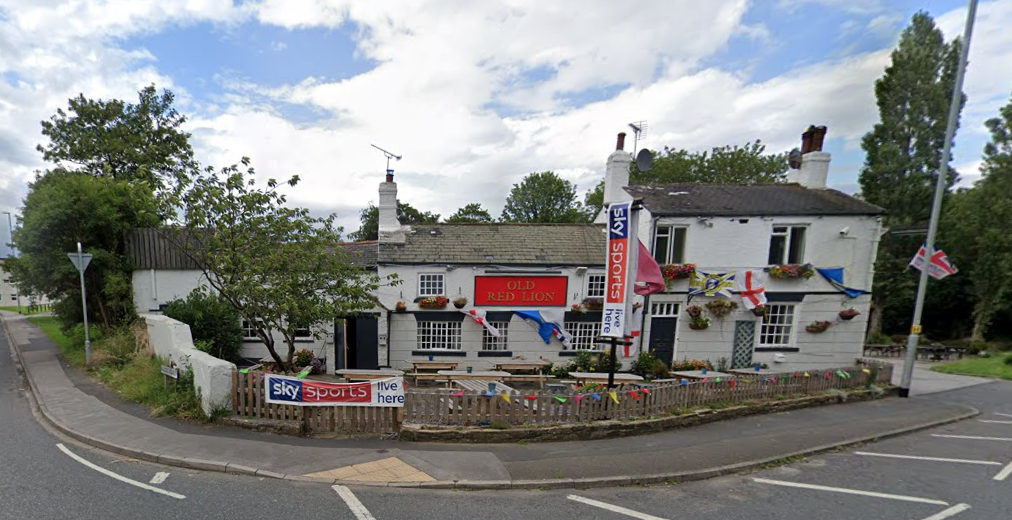
Seacroft was a rural village beyond the city limits of Leeds 100 years ago, until it was subsumed into the Council Estates of East Leeds in the 1960s. A couple of the buildings from the old village remain but they are slowly being picked off.
This 260 year old pub, to the North of Seacroft in the former hamlet of Winn Moor is the last surviving old building for miles around. Open until 2021, the pub has been shuttered now for a few years and looks likely to be demolished by McDonalds to make way for a drive-thru. Just what the deprived communities of East Leeds need.
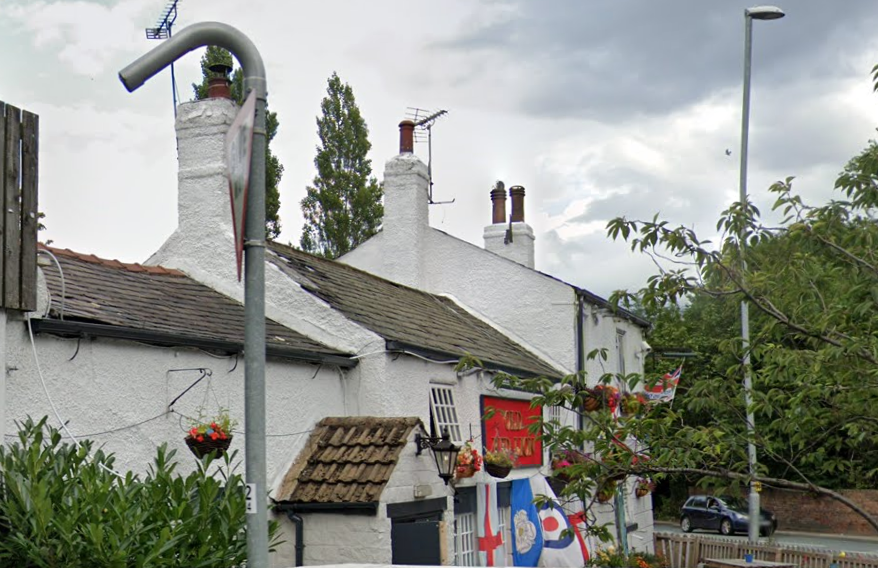
The pub was a hub of anti-social behavior and subject to police action that resulted in its license being revoked. Regulars described it as a lifeline for the community when threatened with closure, as there are no other pubs left in the area. Predictably, and arson attack earlier this year preceded the submission of the planning application.
Clearly the demand for a pub is there. It is not the pub that creates the anti-social behavior, and its closure will not address the violence that belies this community. It has however resulted in the loss of a community hub for the elderly locals that patronised the Old Red Lion for over 40 years.

The age of the pub alone should pique the interest of Heritage England who should immediately intervene. To demolish this building and replace it with a grey box that serves fast food would be criminal.
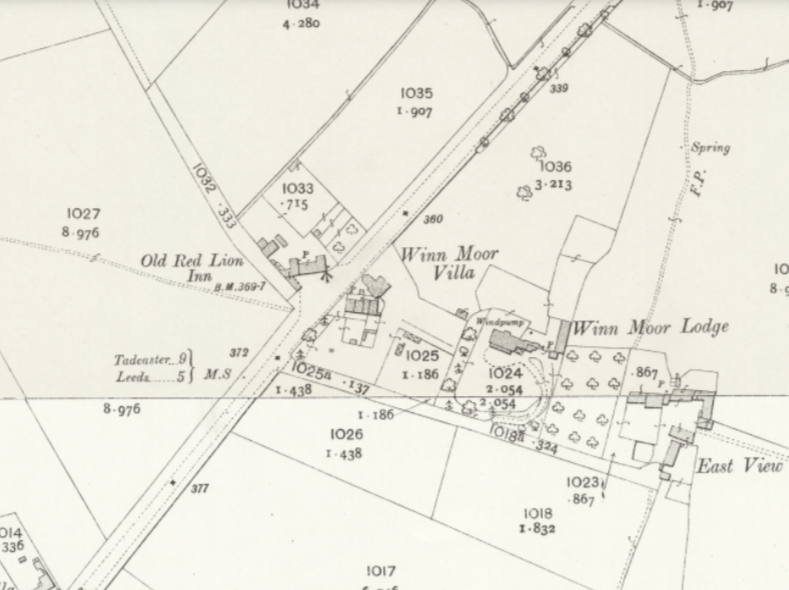
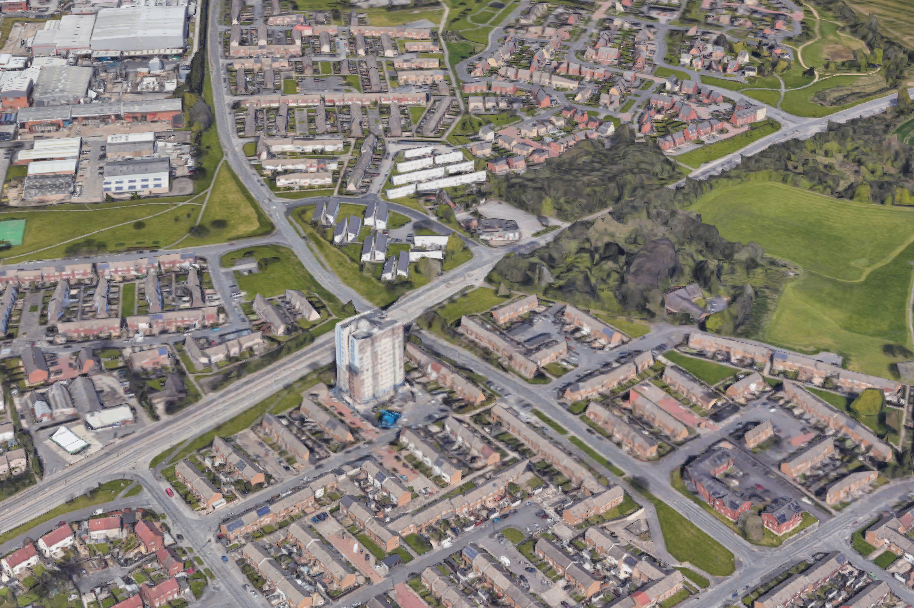
Whinmoor, before and after the social housing revolution of the mid-20th century
Grenoside Primary School, Sheffield
Application to demolish a school building and outbuildings in Sheffield:
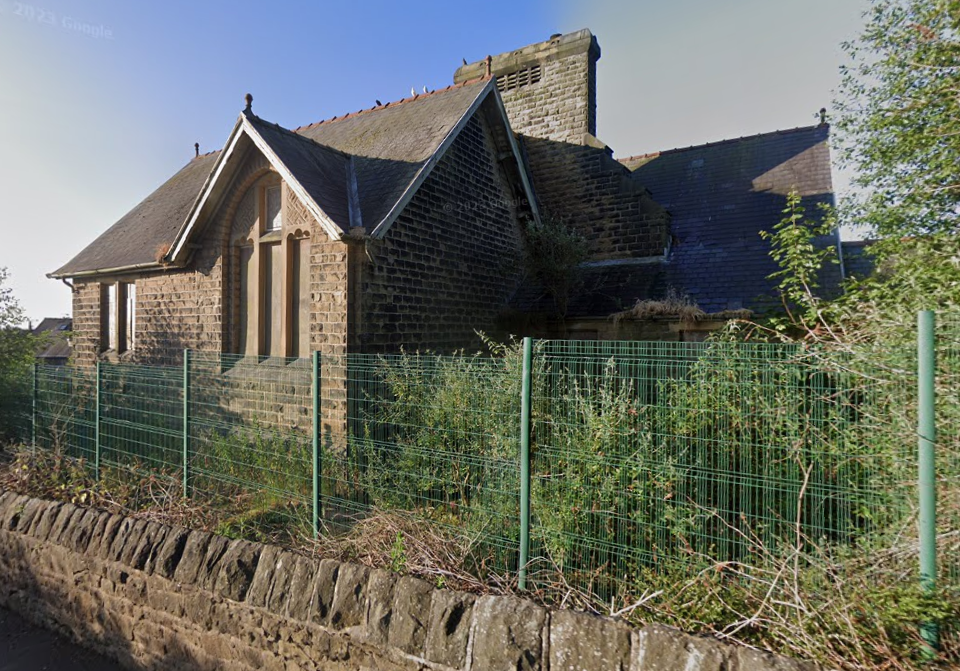
A very charming Victorian school in the village of Grenoside to the North of Sheffield will be (or has been in the case of the outbuildings) demolished. Plenty of local opposition to the demolition is unlikely to influence the decision as it is a Council asset, and its disposal will generate some income. Possibly enough to cover half a days worth of the adult social care budget.
The chimney is audacious in size, quirkily emerging from the roof valley. Brickwork detailing in the arched windows add to the charm.
I’ve seen plenty of buildings like this repurposed as housing, so the loss is unnecessary. One way in which planners could ensure its retention would be to deploy a local development order on the site, effectively granting planning permission for its conversion. A small building firm would jump at the chance to evade the planning process.
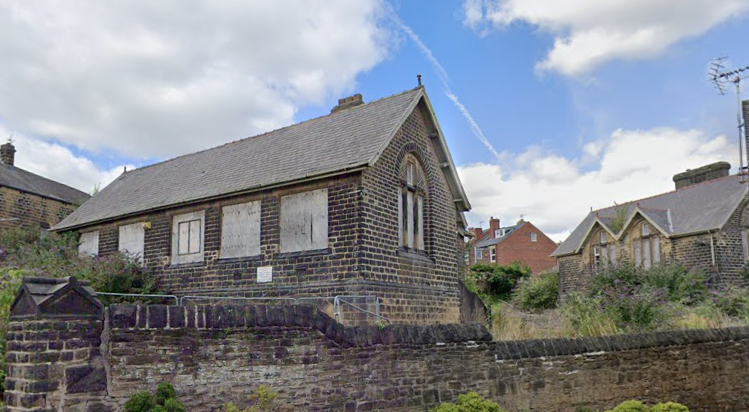
The outbuilding with the main school building to the rear. This has already been demolished falling a collapsed roof.
 The Demolition Register