Former Miners’ Welfare Institute, Methley
Plan to demolish care home and former ball room in Methley:
https://publicaccess.leeds.gov.uk/online-applications/applicationDetails.do?activeTab=summary&keyVal=P2OU60JBGYA00
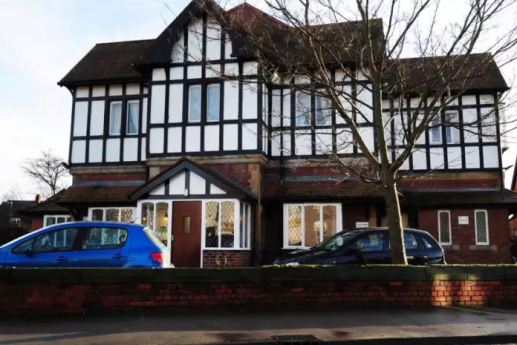
A domineering mock Tudor civic building from the turn of the 20th century, this building represents an interesting departure from the red brick materiality of the coal field mining villages.
Steeped in history, the building was most recently used as an extra care facility. The council now wanting to raise receipts for assets such as this closed the facility and sold off the land to a private extra care facility provider.
Whether or not the building is suitable for extra care provision is not for me so say, but I know that when I reach the autumn of my life, I’d rather live in a beautiful historic building than a utilitarian ‘facility’.
Why can we not use redundant historic buildings as homes for the elderly? What better way to live out your hard earned old age, than to be the custodian of a piece of history.
Cottage in Thornhill Lees
Demolition of a cottage near Dewsbury:
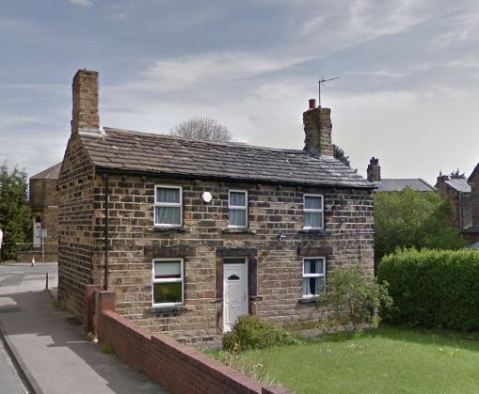
Such an elegant cottage in the heart of the of the Heavy Woollen District. When school children draw a house, this is what they think of.
An impressive 4 to 1 replacement ratio is planned for this site. Quite a bold application, and would naturally the loss of this very handsome building that is unmistakably English and even identifiable as West Yorkshire stock such is this window into the pre-globalised world. The patina that darkens up the elevation is perfection, as are the weathered harris’ of each stone roof tile.
Somehow Victorian stone cottages meet a grass lawn in way architects have yet to reproduce. Lets hope we keep a few dotted around. Make the right decision Kirklees, please.
Shoulder of Mutton, Morley
Pub in Morley to be Demolished:
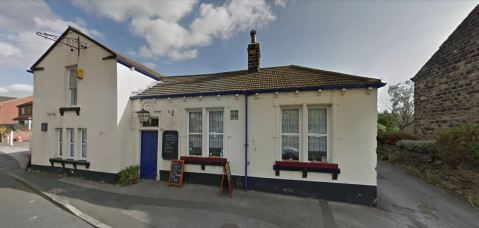
6 houses with 15 parking spaces to be built out in Morley, which continues to be a thriving housing market for the new middle class of West Yorkshire.
Formally serving the people of Bruntcliffe, any notion of a village life has slowly dissipated with motorways and industrial parks replacing the colliery and the mills.
A quick glance at the building footprint, and 4 dwellings could easily be accommodated here, with 2 more in the curtilage.
What further astounds is the roaring trade the Toby Carvery is doing down the road. I think that says more than I ever could about suburban Yorkshire life in the 21st century.
Wagon and Horses Inn, Leeds Road, Huddersfield
Formally Ricky’s Bar, formally Wagon and Horses Inn, to be demolished to make way for a car showroom forecourt:

So sad to see this pub go, which I believe was snapped up at auction following the bankruptcy of the eponymous Ricky. Particularly tragic is the loss would be to create a car sales forecourt, of which there are already so many on Leeds Road, making this corridor more so an exposed and dull place.
This would represent further erosion of the street front of Leeds Road which has slowly disappeared over the last century to be replaced by miscellaneous uses found on the fringes of towns that require cheap and ease of vehicular access.
In spite of there now being a premier league football team playing home games a stones throw away, I imagine arguments about viability would still militate against the retention of this building. I hope Kirklees can somehow block this application, but I somehow doubt it.
We demolish public houses next to football stadiums. That is the modern state of land use planning.
Crown Street Car Park, Leeds
Application to demolish a number of Victorian Buildings along a back lane in Leeds City Centre:
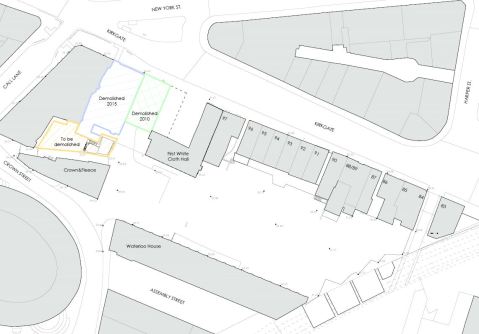 What concerns me about this application is not the loss of the buildings – albeit reprehensible to destroy the Victorian urban grain – rather it is the opportunity cost of developing this site and not creating much needed city centre green space that dismays me.
This could have been a beautiful setting for some breathing space in Leeds, with the backdrop of a railway viaduct, the disordered roofscape of Kirkgate, and the Corn Exchange.
The Victorians would have ensured this space was civic. How they did that seems to be a lost art.
Clocktower, Lockwood, Huddersfield
Application to demolish the clocktower at the former Mount Pleasant School:

The school was redeveloped following the demolition of the Victorian school building (the powers that be unable to differentiate between shoddy facilities and dilapidated interior, and an important robust vernacular building).
Yet Kirklees have slyly slipped this application in a few days before Christmas. No one will notice that right? Yes, absolutely we will notice.
The tower was initially thought to be saved after a hard fought campaign. However the building was rejected from listing status due to the incomplete nature of the site, however historic England recommended a local listing. I doubt such a mechanism actually exists in Lockwood.
Airey housing estate in Rothwell
Post War Pre-fabricated ‘Airey’ housing estate to be replaced:
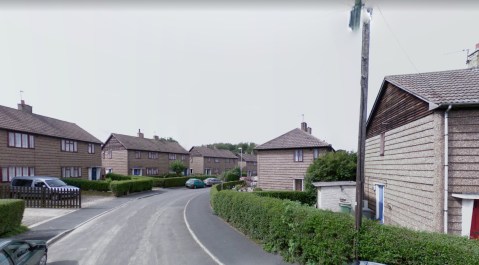
A concrete column parallel universe – how odd to see what appears to be the ubiquitous hipped roof council estate semi, transposed into pebble dashed concrete.
Some would argue that these buildings have been left standing for too long. Indeed they were only meant to serve their purpose for a decade or two, but alas these buildings have endured, and in a corner of rural South Leeds a relic to post-war utilitarian house building can be seen. Much like Anderson shelters or Bletchley Park, I find this place to be a monument to the generation that gave up so much to get through the second world war.
Presumably if they could survive another 50 years, then heritage status would be bestowed upon these houses, but for now they are still seen as an eyesore and no doubt a health and safety liability.
Walk Mills, Keighley
Mid 18th century mill to be demolished in Keighley:

(forgive the quality of the image. There doesn’t seem to be any images of this building outside of Google Street View. Lets hope it is properly recorded before being smashed up)
Whilst reading the heritage statement (which always seem to have been complied by a wrecking ball salesmen), I noticed the reference to a pre-application meeting. Frankly, if a planning application comes forward following pre-application negotiations, then a decision has already been made, and the democratic right to publicly comment is devoid of meaning.
When a developer has sat around a table with council officers, having paid a grand for the privilege, they expect to get an expeditious planning approval.
So the fate of this remarkable building is already sealed. I will comment, and urge others to do so as well, however, the machinations within local government that will lead to the demise of this mill have been concluded.
I recommend reading the heritage assessment, as it is fascinating to see how ‘heritage experts’ justify the loss of an assets like this with exceptionally tenuous arguments.
NB – also a big loss to the setting of the Keighley and Worth Valley Railway, which runs alongside this mill complex.
Less another pub in Leeds
Former Old Roundabout in Stanningly, Leeds:
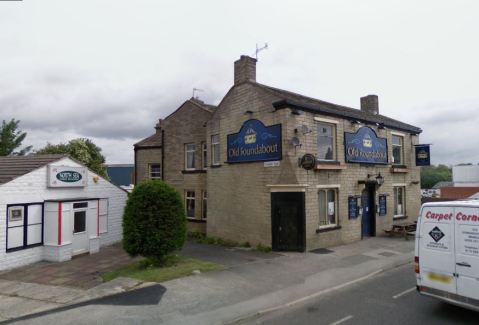
Its always a shame to see a pub demolished in proximity of another pub, because two pubs together creates a drinking destination. A critical mass just enough to draw people in from far afield to experience the drinking culture of this particular domain. I suppose this now fridge area of Stanningly is not quite attractive enough to maintain such a buzz.
Very attractive and robust double pitched building that could stay, and be repurposed in any number of ways. Lets get some local listings of non-designated heritage assets formulated asap to avoid the loss of such humble but necessary buildings in towns like Stanningly.
Albion House, Bradford
Albion House in Apperly Bridge, Bradford to be demolished and replaced with 8 dwellings:
A Victorian villa that represents an important part of this formerly rural cluster of buildings, its loss will be damaging to the historic narrative of this area, which is still redolent of Victorian culture.
The terraces, cottages, farm building and villas juxtaposed in this way tell us a story about pre-globalised life in rural Bradford.
And surely the onus isn’t on the reasoning for keeping the building up, but for knocking it down? If it is robust and fit for purpose, it makes no sense ecologically to destroy buildings.

