Demolition of village centre crescent, Cudworth
An application by Barnsley Council to demolish a village centre shopping parade in Cudworth, as part of a regeneration program:
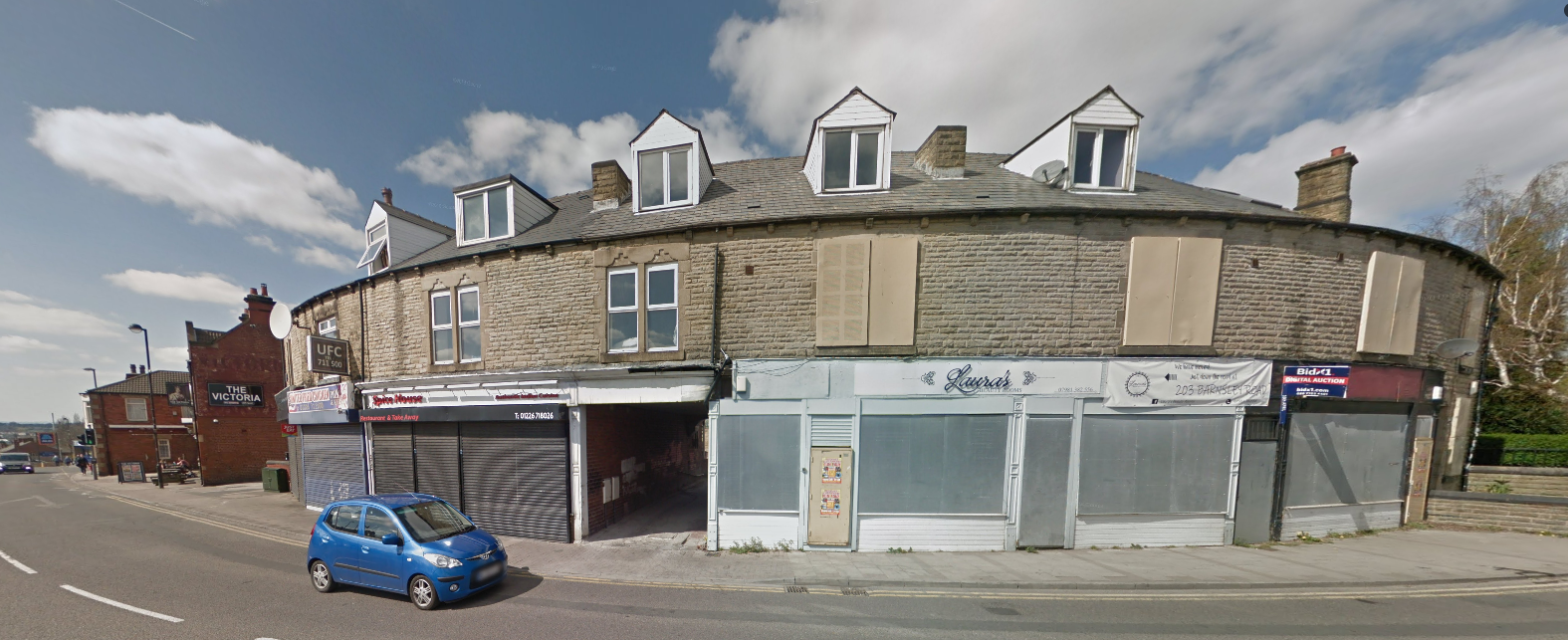
This is the demolition of a significant portion of Cudworth village centre by the Council, ostensibly for the purposes of regeneration, but really, its because there is no money left to renovate the buildings.
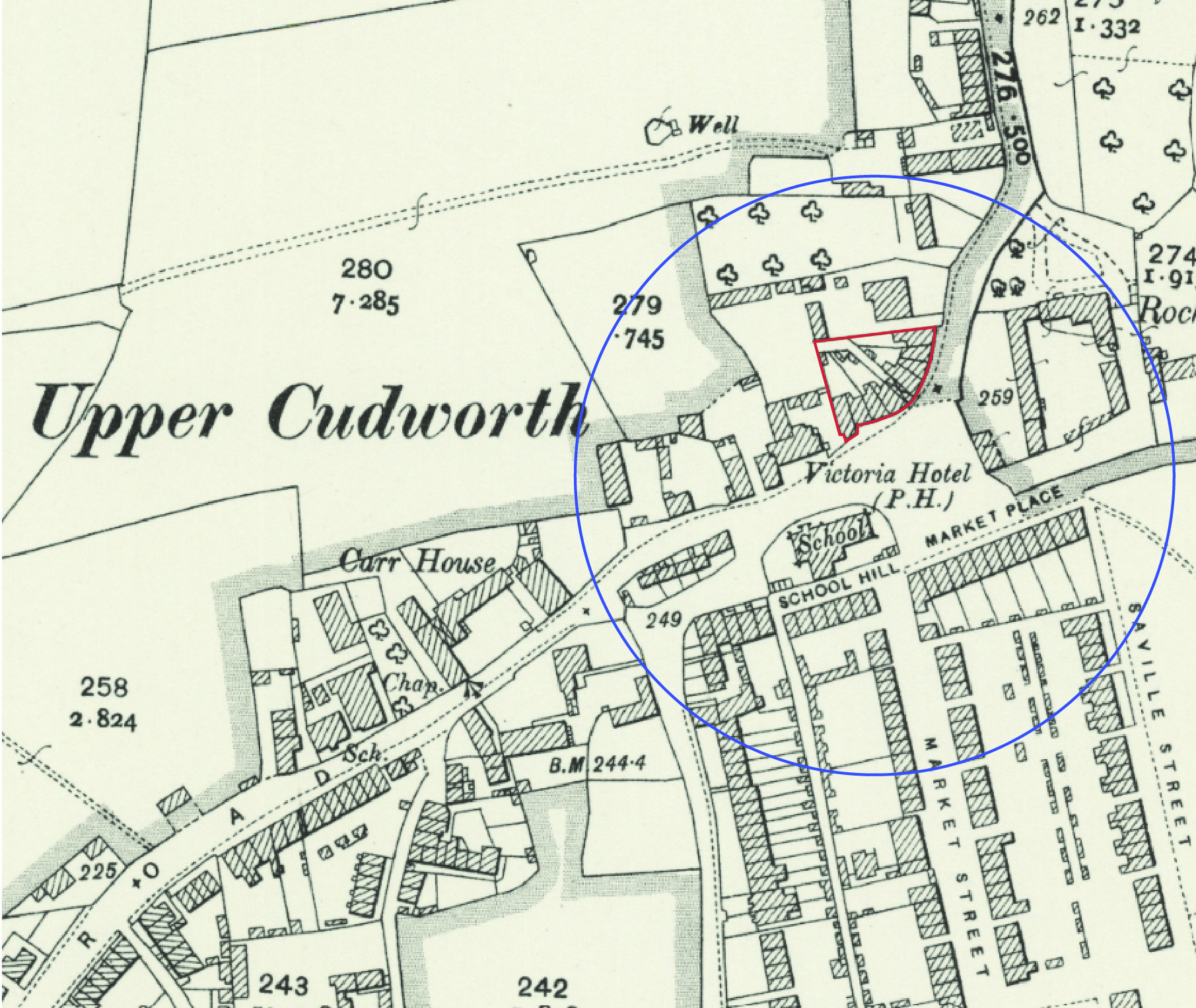
The historic map below shows how Cudworth once had a clear village centre with a market place enclosed by buildings, this crescent being central to creating that form. This character has been eroded due to demolitions over time, and the removal of this crescent will leave the village centre formless – a few scattered buildings surrounded by odd bits of open land and roads.
The demolition is being sold to the public as an opportunity for a new public space. A landscaped area in the cleared corner is proposed:
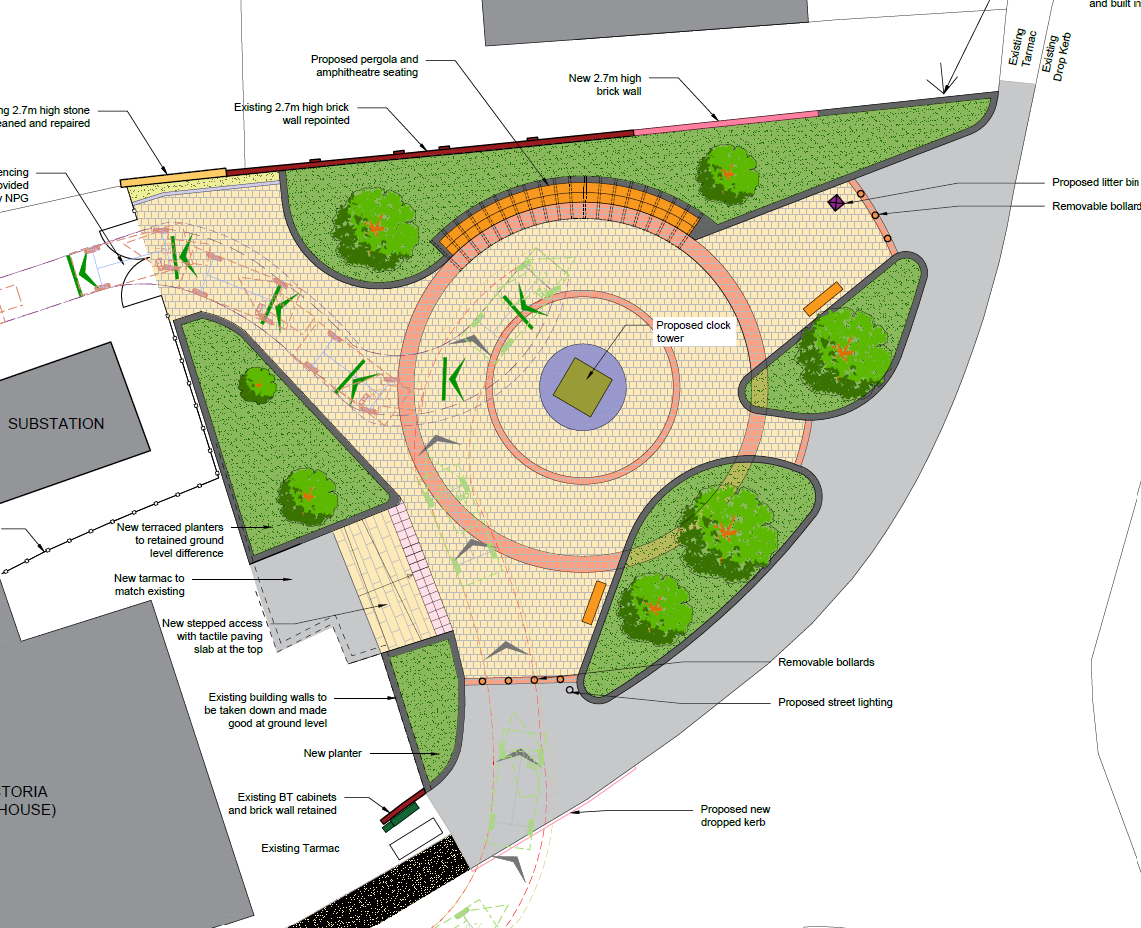
A small landscaped area in a village centre is of course appealing, but without the cresent to shape the village centre, there isn’t really a village centre anymore. This area will appear as an after thought – the Council’s solution to the problem of a vacant space.
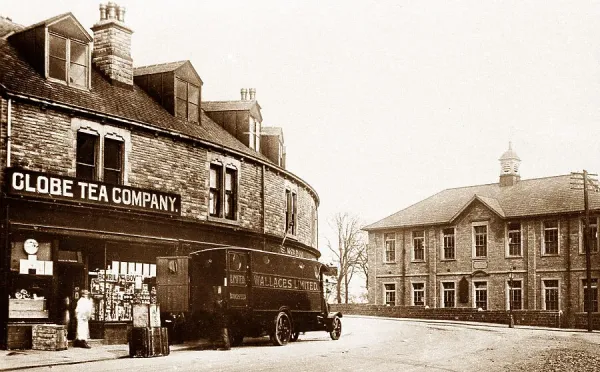
The above image shows how the buildings used to give form and character to Cudworth. The idea that demolishing the historic core of a village is regeneration is nonsense.
Hare and Hounds pub, Bradford
Pub demolished after being condemned as unsafe:
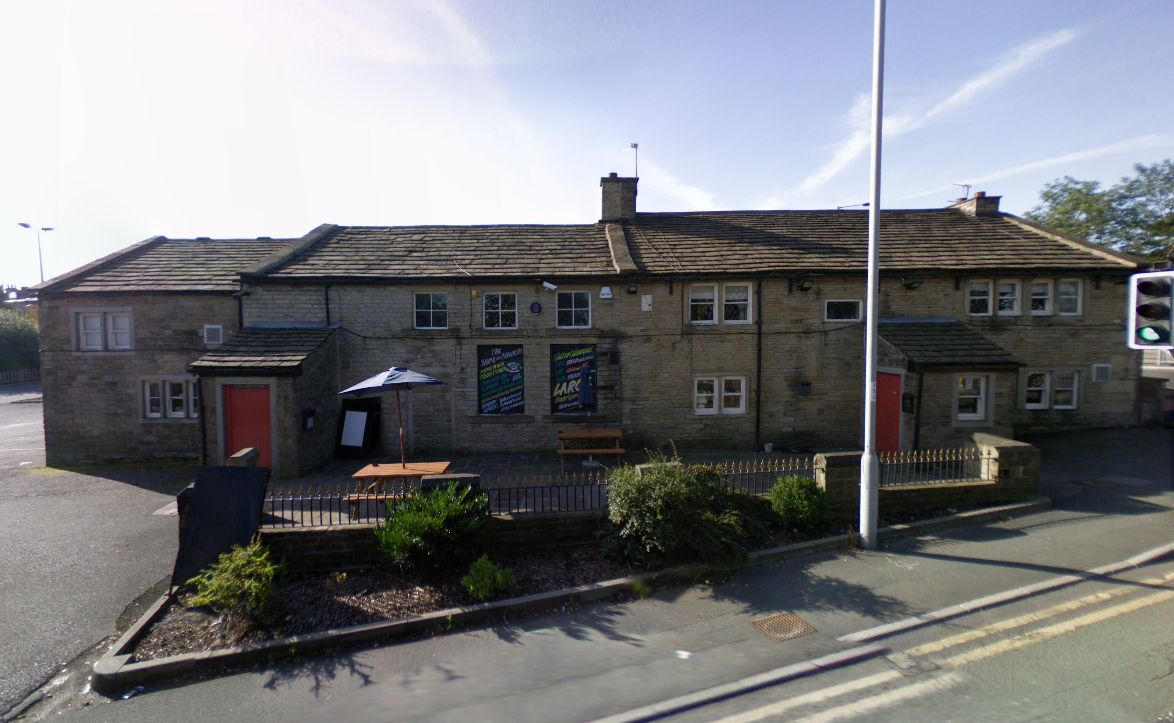
A very beautiful pub that was in the process of restoration had a section 78 notice served, requiring the structure to be demolished without delay for safety reasons, without recourse to the planning authority.
This is very powerful legislation taken from the Building Act 1984, as it allows for the legal demolition of any structure (including listed buildings, of which this pub was one) without planning consent, to render a site safe. When it comes to old buildings, there are invariably structural issues that can be interpreted as a safety issue. The local authority has to use this section of the act cautiously, and be aware of any exploitation.
Aire View Infant School, Silsden
Application to demolish a school in Silsden for housing:
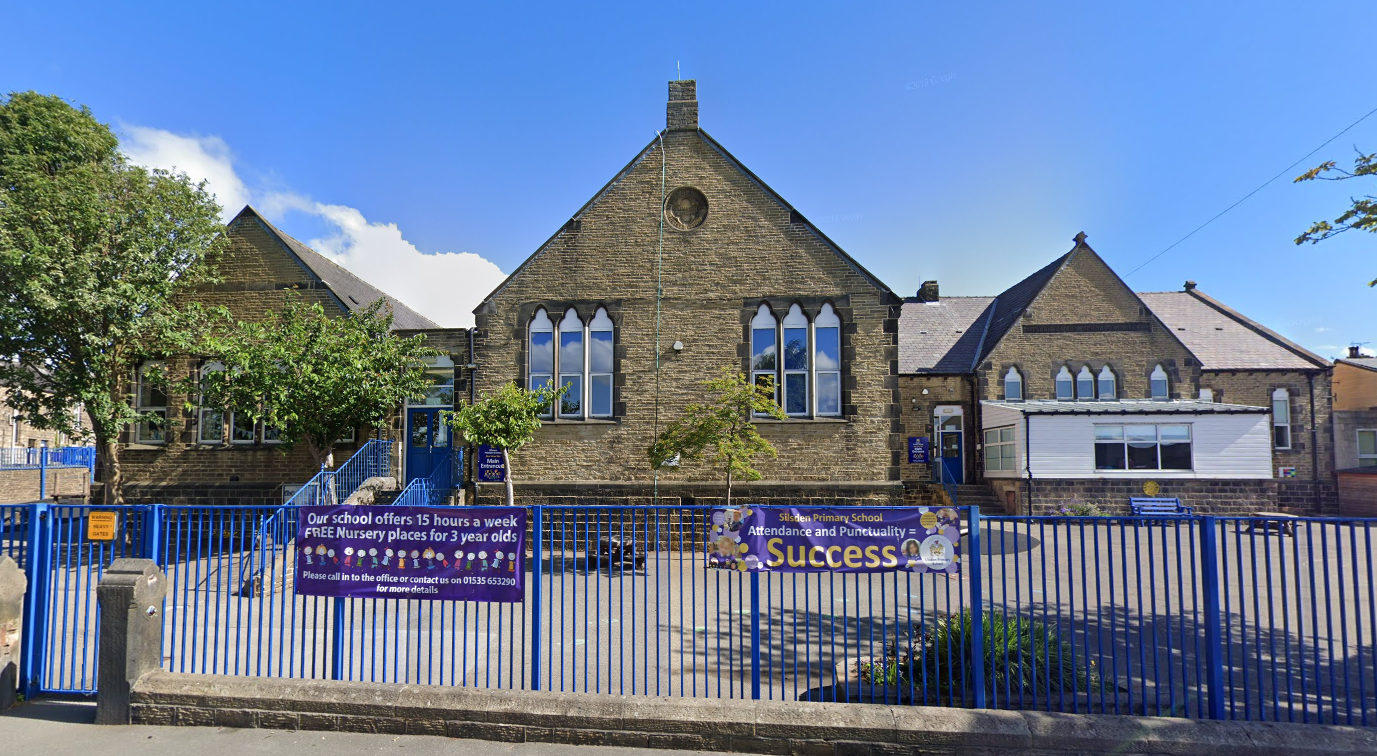
23 town houses will replace this school building. The layout of the new houses reflects the rows of terraces surrounding the site which is a positive. However it is an outline application so this could change and the final development may be the usual group of 5-bedroom mini mansions.
The building is considered to be a non-designated heritage asset by the council. However the developer states they have explored retention and conversion and that it does not add up financially. These Victorian schools are being lost at an alarming rate, and it would be nice if some were retained and reused in a more sympathetic way.
Bridge Street Pentecostal Church, Leeds
Former church in the city centre to be demolished as part of wider clearance works:
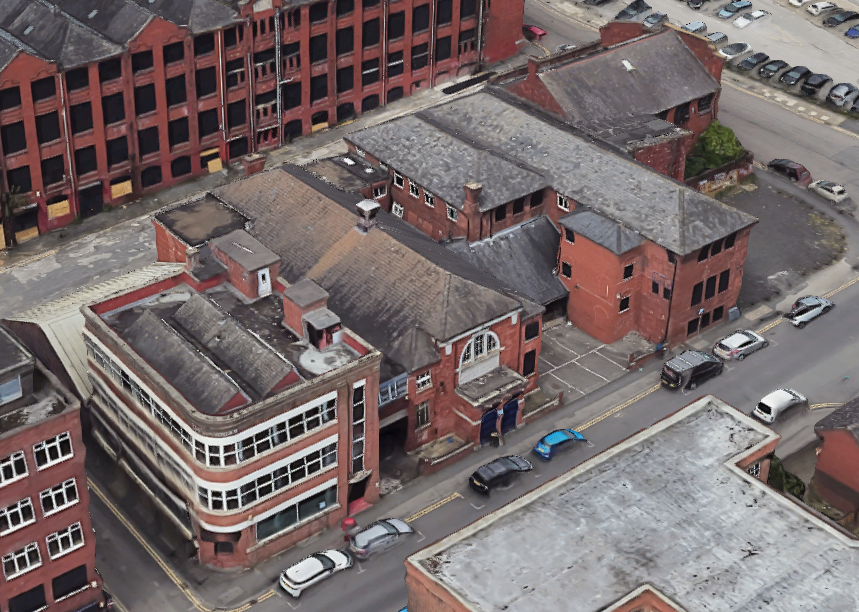
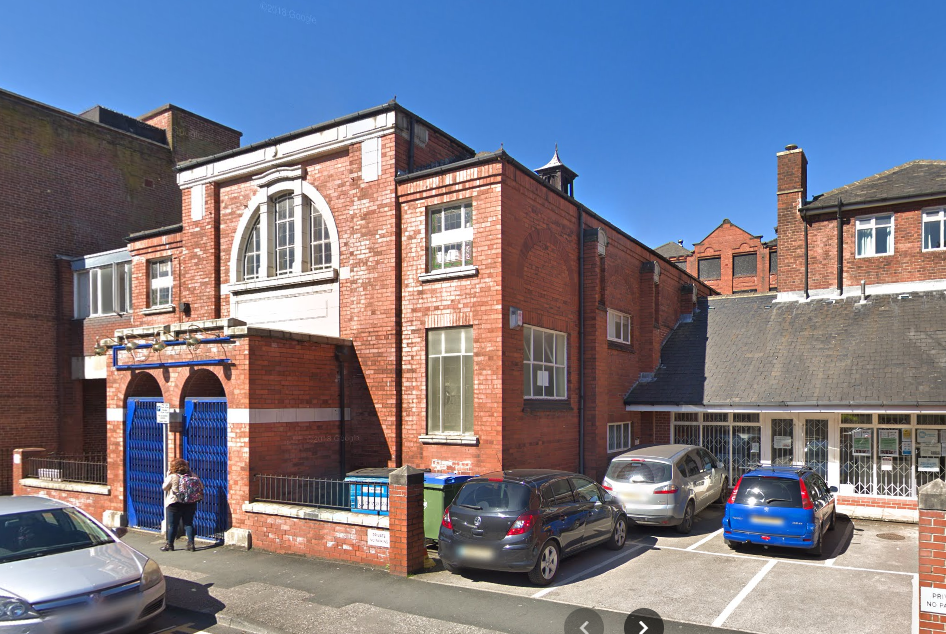
A block of 20th century industrial buildings of various ages in Leeds’ Templar quarter is being demolished, presumably to make way for future development. Amongst them is this small church, referred to as Four Square Gospel Church in mapping from 1940s, and more recently known as Bridge Street Pentecostal Church.
Demolition would be via prior notification, so public objection is not an option. However the permitted development rights for demolition do not extend to buildings last in use ‘as a venue for live music performance’. I seem to remember Pentacostal churches being big on the live music, so this might be a clause that saves this building in the short term.
Great to see the city centre development market thriving, but integrating the last remaining pieces of old Leeds into the new should be a priority.
Armley Conservative Club, Leeds
Planning application to demolish the former Conservative Club in Armley:
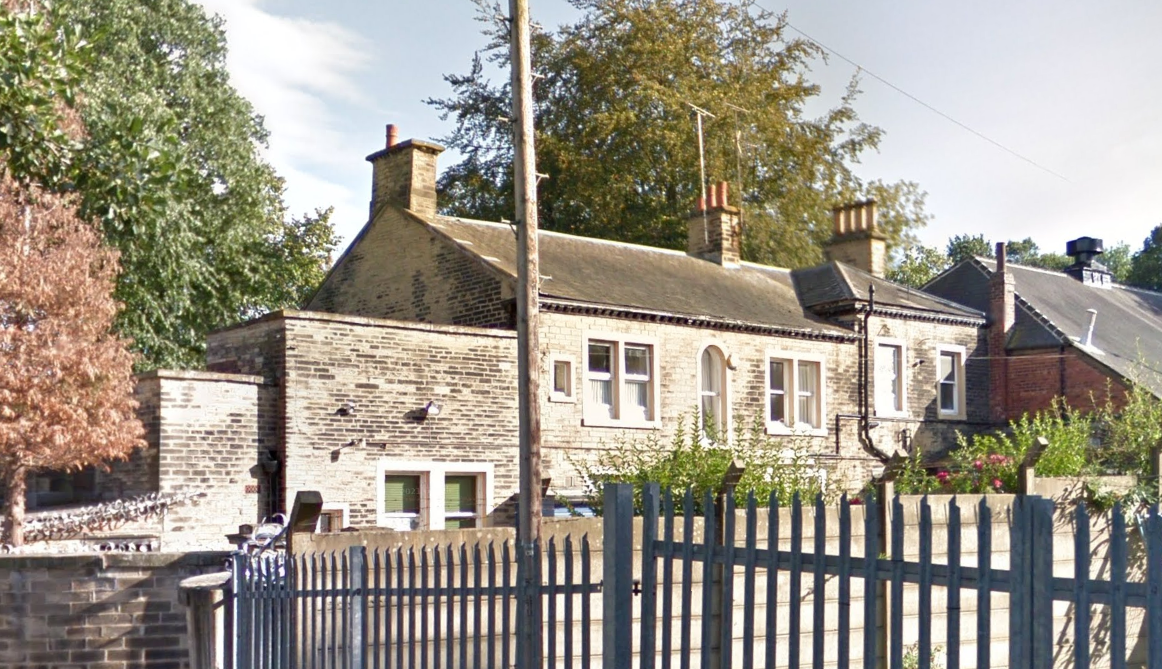
Following a suspected arson attack, the Conservative Club and Fairfield House on Armley Moor are subject to a demolition application.
The buildings are in the conservation area, however recommendations from the police to clear them will bolster the applicant’s case to depart from policy and allow this site to be flattened.
I can not find any images of the fire damage, and am unable to visit Leeds, but it is odd to receive input from the emergency services on a planning application.
The loss of Conservative Clubs have been noted in the media. Few remain in the red wall that is the northern industrial belt of towns and cities. But they are an important feature of any place, invoking a time of more cordial politics, in which people of any stripe were welcome through the doors of any given club to engage in discourse. Latterly, these clubs have lost their political cache and function more as community venues and a means of obtaining a cheap pint. Drinkers in Con/Lib/Lab clubs are refreshingly apolitical these days.
The townscape of Armley will miss these buildings, and the story of civic participation they tell.
The Chartist, Skelmanthorpe
Plans to demolish a pub in a conservation area and build 4 houses:
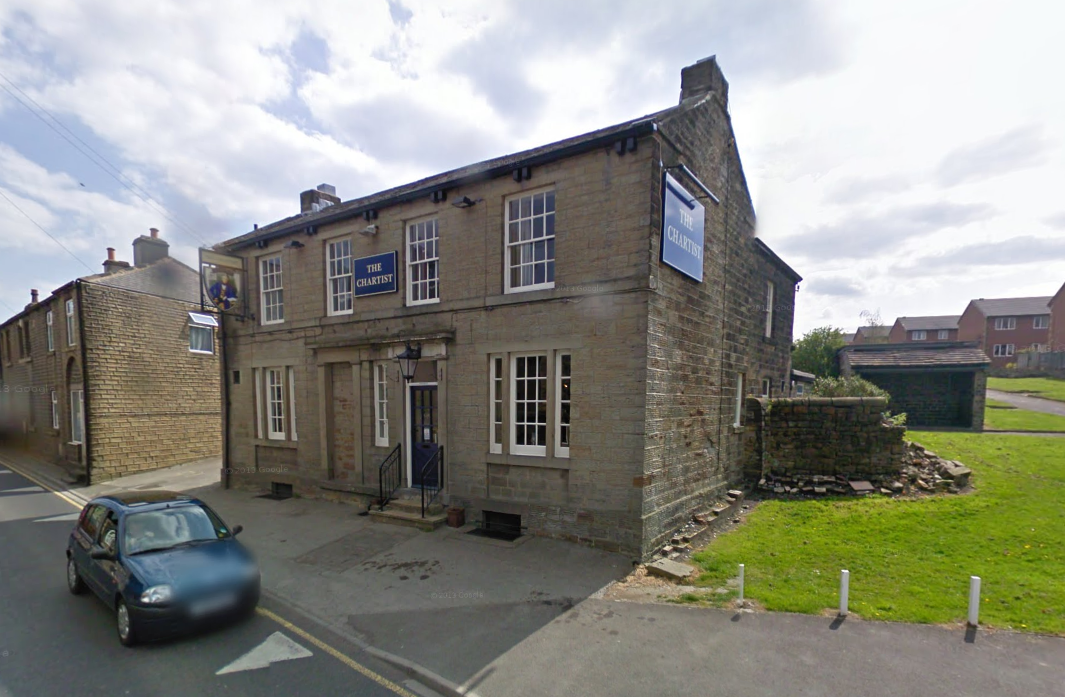
I went to this pub when I was 15 and tried my first donner kebab, which the landlady let us bring in from the takeaway across the road.
Skelmanthorpe used to have 5 pubs, with 1, The Grove, remaining open. The others have since been converted into houses or other commercial uses, but have remained standing. Interestingley Skelmanthorpe has seen a couple of wine bars and cafes open over the last few years which suggests the market for leaving the house occasionally in the evening, is on the rise. So its not the right time to erase a pub from the village.
I have objected, noting that the net benefit to the village would be 2 dwellings (assuming converting the pub could deliver 2 further dwellings). This is not enough benefit to justify demolition of a Victorian building in a conservation area, particularly as there are around 329 houses allocated elsewhere in the village. 2 windfall dwellings are hardly going to change the place. However the loss of a historic pub would.
Birks Mill, Walsden
Prior notification for the demolition of Birks Mill in Walsden has been refused:

Walsden is a little known canal town, next door to Todmorden and nestled in the Pennines just before Yorkshire becomes Lancashire. It is a stunning place, and Victorian mills have somehow survived here; likely as a result of the strong local pride that runs through Upper Calderdale and the Pennine peoples that have inherited the spirit of the Levellers.
This mill has been redundant for a while now but the structure does not appear to be beyond salvage, and would be ideal for residential conversion. Its a great example of an industrial building responding to the terrain of the Pennines, and is a piecemeal cluster of extensions and annexes resulting in uniquely beautiful stone geometry of chamfered corners and intersecting roofs.
The case officer, Osian Perks, must have recognised this and has refused the application. This is a very brave decision and I can not commend the Officer enough for invoking a clause in the legislation that does not allow prior notification for demolition if ‘the building has been rendered unsafe or otherwise uninhabitable by the action or inaction‘ by the applicant.
The application has clearly been considered incredibly thoroughly and on the off-chance Osian reads this, thank you for going the extra mile. I hope the owners now go back to the drawing board and consider re-use of the existing building.
Oddfellows Hall pub, Pudsey
Prior notification for the demolition of Oddfellows Hall pub in Pudsey:
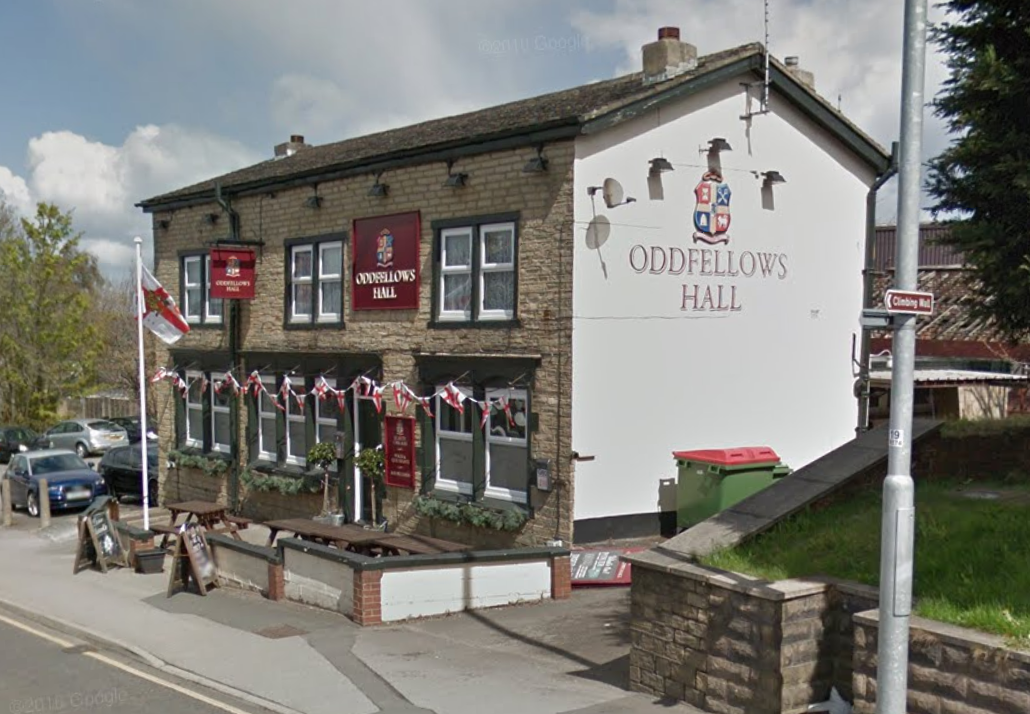
Permitted development rights exist for the demolition of buildings, with exceptions for listed buildings, and buildings in conservation areas. The class of permitted development rights was updated a few years ago to also exclude pubs and restaurants following a spate of demolitions that saw many villages left without a pub.
However, some planning officers do not seem to be aware of this clause in the legislation, and a number of pubs have been lost via this route of prior notification.
With the above application, I contacted the local Ward Member and the Planning Officer to inform them of this, and the Yorkshire Post has reported that the application has been refused. Great news. However it is likely that the owners will come back in with a planning application.
This happened last year by stealth, and we lost the Gas Club in Huddersfield when an application came in and was determined very quickly without consultation with the Ward Member or a reasonable amount of time for public comment.
The Old Vicarage, Micklefield
Application to demolish a vicarage and rebuild a modern detached property:
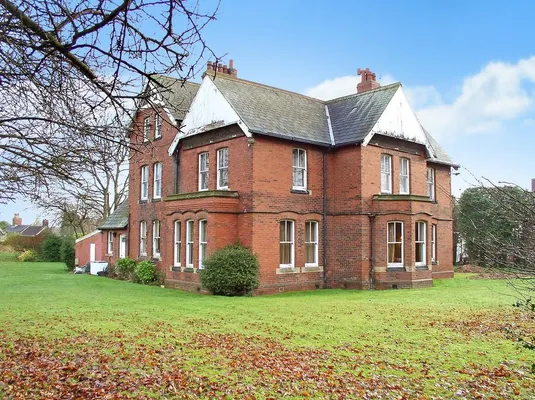
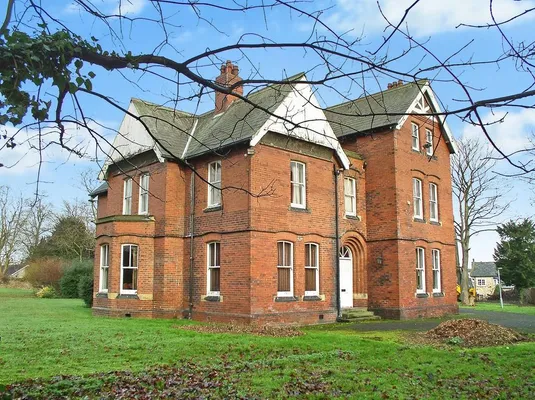
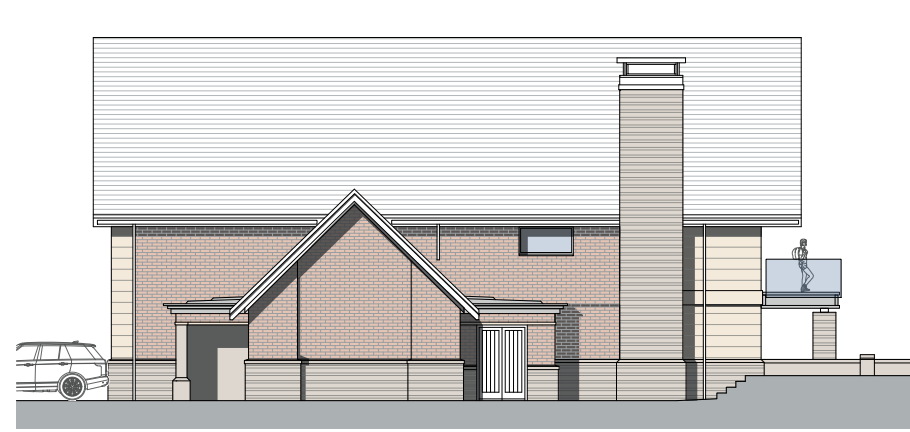
One of the oldest buildings in Micklefield, the old vicarage, adjacent the Church of Saint Mary the Virgin will be demolished and replaced.
The gable ends are finished in wood panelling which is atypical for the area. The lintel string above the ground floor is also a unique detail, with arched intervals above the windows. This form of detailing is a lost art and will be missed when the new building is approved.
The Priory, Cleckheaton
Remote pub to be demolished in Cleckheaton for flats:

This late 18th century pub, once home to The Brown Cow Pothole & Mountaineering Club, incorporating the Royal Antediluvian Order of Gentle Strollers, succumbed to Covid lockdowns and closed in October 2021 never to reopen.
Presumably viable until then, unfortunately housing demand being so formidable, even a relatively viable pub is more lucrative as a demolished and cleared brownfield site for a few new units. Sadly, almost every pub is a better economic asset as a potential housing site and local authorities need to consider this is their local planning policies.
Proposed is a simple stone building to provide extra care for disabled residents, and development of this nature should be supported. However the site could accommodate both uses quite easily, if the developer were willing to convert some of the pub for residential use.
Know as The Old Brown Cow on historic maps, it is the sibling of the adjacent listed White Chapel. New houses now surround this formerly isolated pub and church. In theory then, demand for a local pub would go up. Sadly, it seems that this isn’t the case, and the region continues on a path towards a geography of nothing but houses and amazon warehouses.
A history of the pub can be found here by the Spen Valley Triva Group.
 The Demolition Register