Former St Marys RC School, Batley
Proposal to demolish a former nunnery and school in Cross Banks Conservation Area, Batley:
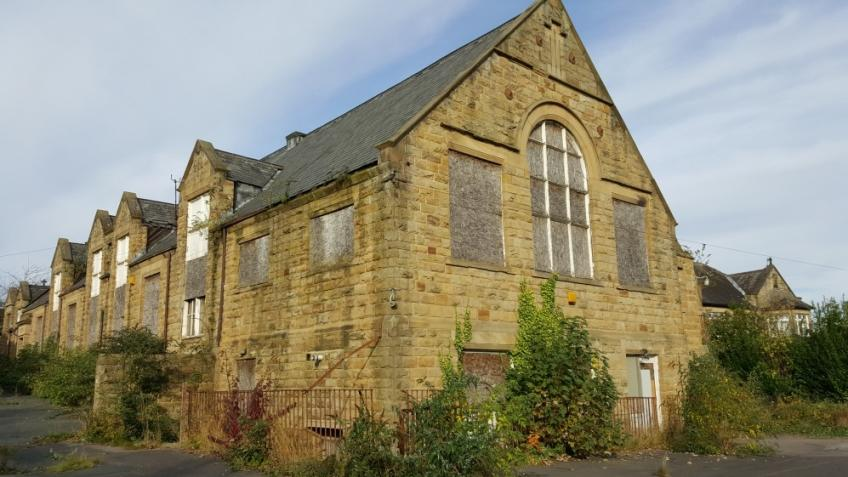
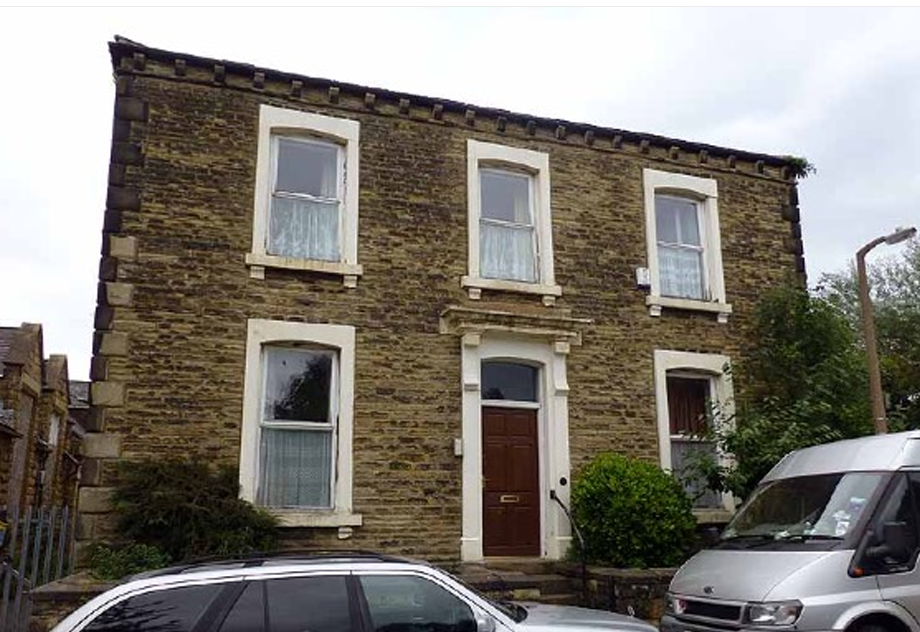
Demolition in a Conservation Area should be resisted unless the most urgent circumstances present themselves. Demolition can not be justified because of commercial interests, because by definition designated heritage assets are irreplaceable.
This is such a building. The extended school was finished in 1898, 30 years after the original school, and can not be considered a latter modern extension. It is a beautiful building, that is attached to adjacent listed church, which makes this cluster of buildings a unified campus.
The nunnery is even older and . As admitted to in the heritage statement, all the buildings add significant value to the heritage townscape and the frontage of Upton Street.
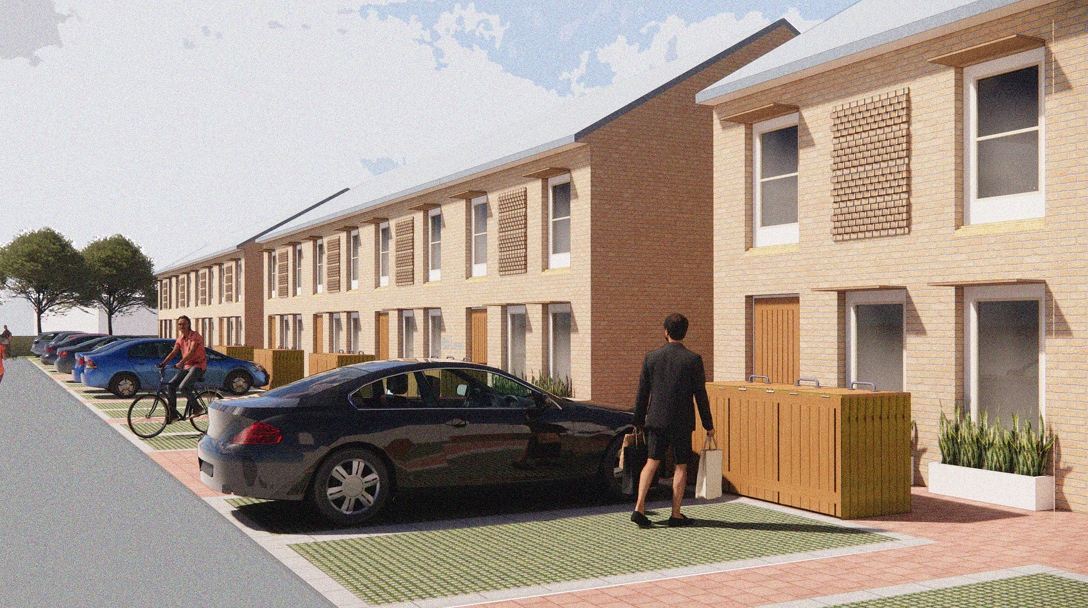
The proposed terraced row. Inappropriate for a conservation area
Troubling is the reference to extensive pre-application conversations that have been had out of the public eye, which have apparently established the principle of demolition already. Planning decisions can not be tacitly made prior to public engagement.
The number of ‘anonymous’ public comments supporting the proposal is also circumspect. I wouldn’t be surprised if the 18 anonymous comments were all made by the same party.
Sadly a crownfunding campaign didn’t make enough money to save the building, but it is a clear indicator of the civic importance the building holds for the people of Batley.
Much of the Cross Banks Conservation Area is a grave yard, and so the loss of these two buildings would see a significant amount of the Victorian fabric removed. If it goes ahead, I can not see how Conservation Areas offer any protection as a planning designation.
Aire Mills in Leeds to be demolished in full
A large industrial site is to be cleared for development on Kirkstall Road in Leeds:
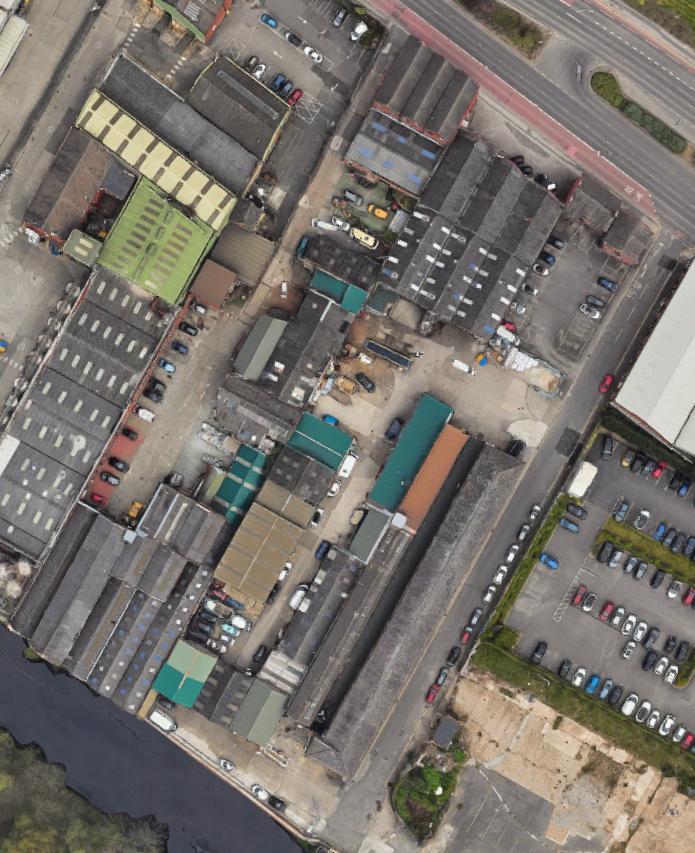
An extremely large industrial complex is set to be leveled on Kirkstall Road in Leeds. No plans for development have been made publically available yet, but I imagine there have been years of pre-application meetings with the Council effectively granting planning permission before the public or elected members can get a word in. This is a demolition notice, which is shrewd because it can not be refused.
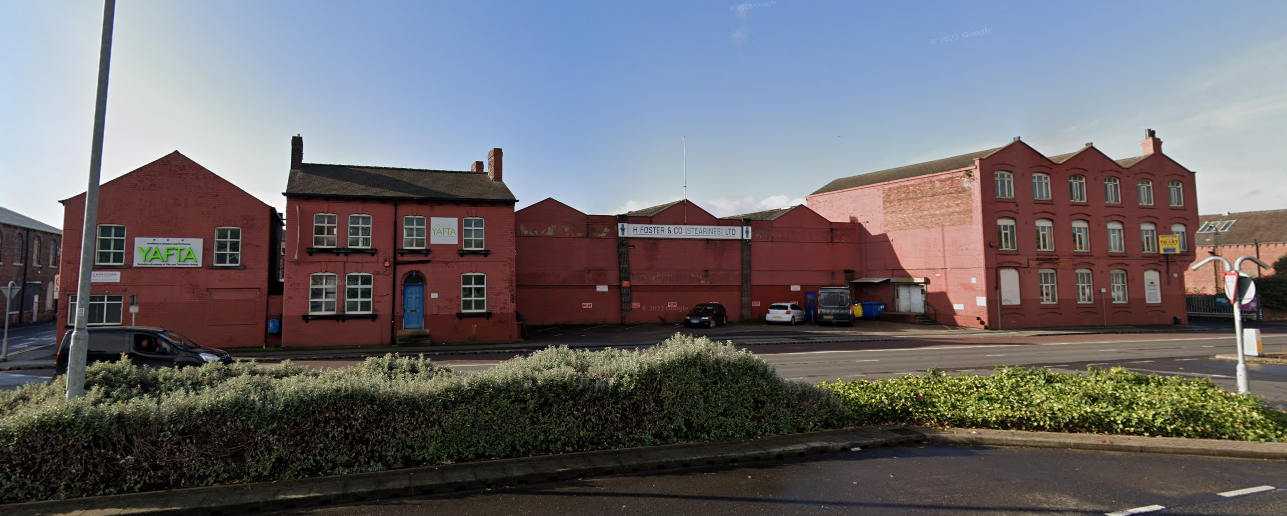
The removal of the Kirkstall Road frontage will be a severe loss to this area of Leeds, which I’ve previously documented has been denuded of nearly all its heritage. Despite 70 years of reformed urbanism that has demonstrated the value in heritage-led regeneration, this is the easier and quicker option.
The frontage shown above is a beatiful example of an industrial townscape, with a varying roofline and rhythmic intricate elevation that directly addresses the street. This quality of built form no longer exists and is rarely replicated in modern development.
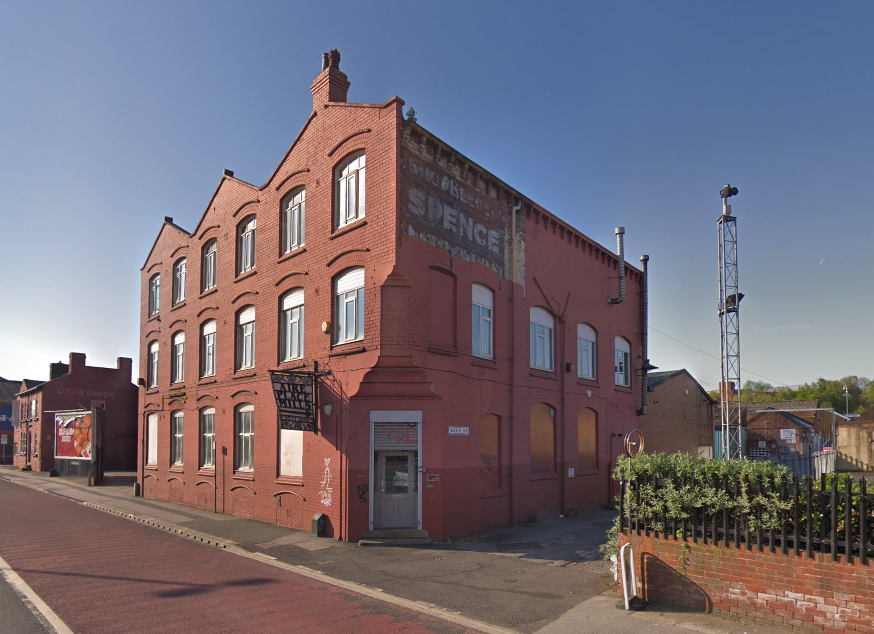
The above building would be perfect for residential conversion. There appears to be nothing structurally wrong with it, and it is a fine example of a modestly detailed Victorian building – modest, but not quite utilitarian.
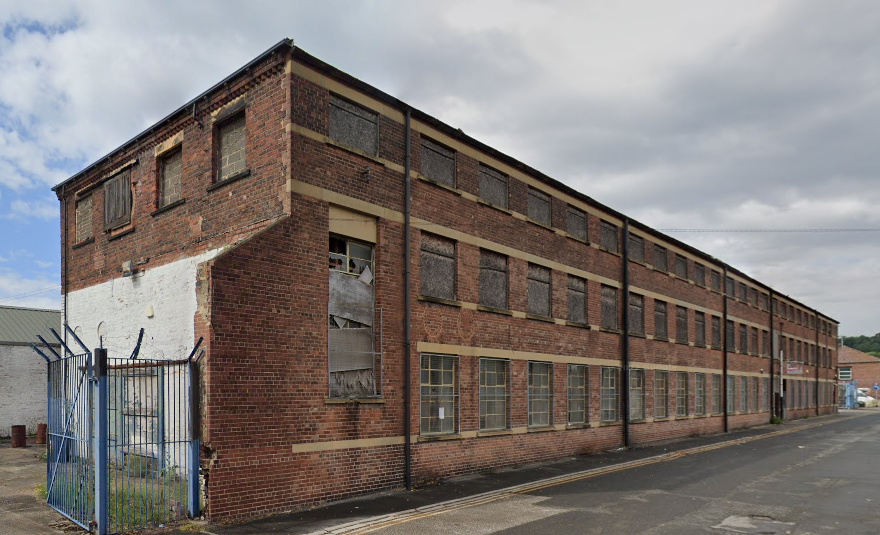
The elongate former tannery around the corner is not quite as pretty, but still would make for an excellent piece of repurposed industrial stock.

Also a shame will be the loss of the rear elevation which forms part of the canal’s retaining wall. This Venetian form of development will never be repeated again.
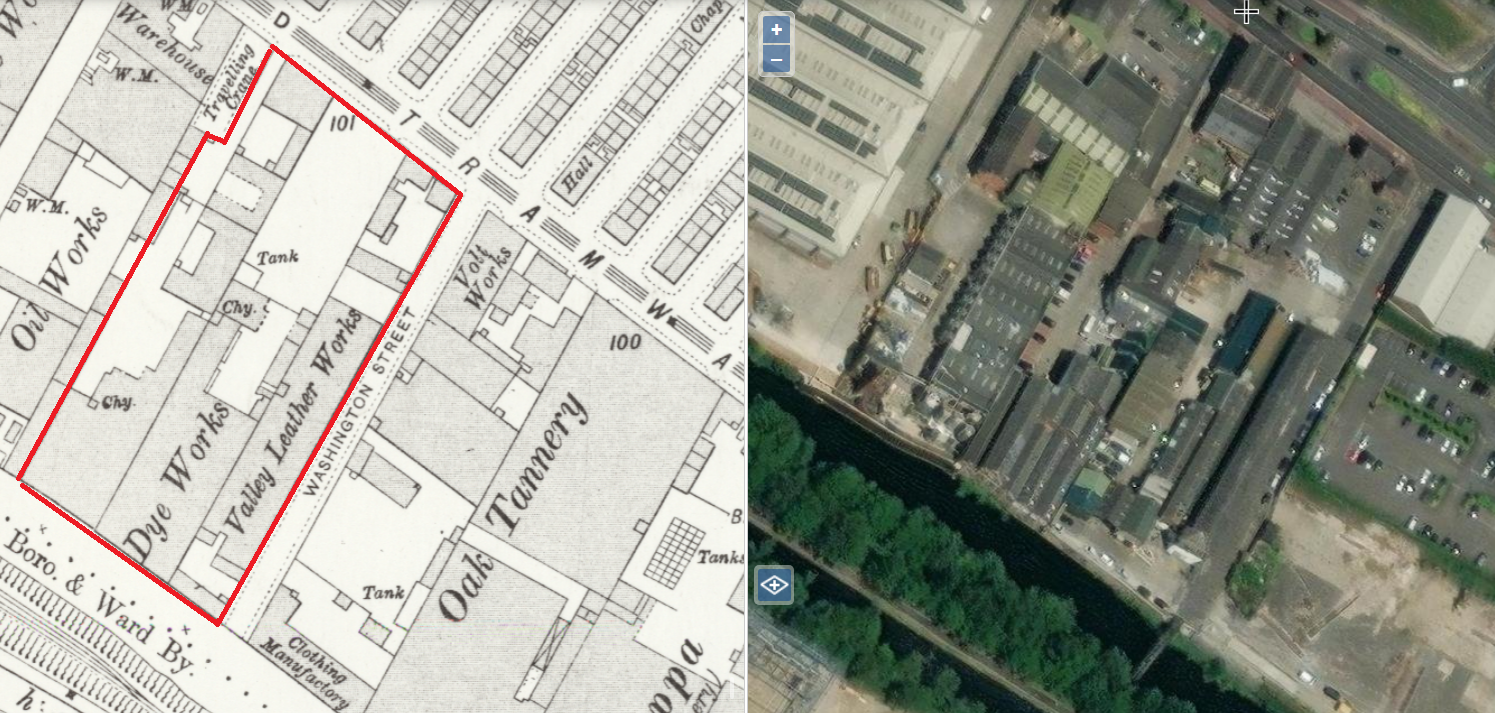
The turn of the century map shows that much of this building stock is Victorian, and represents Leeds’ gilded age. Without a spot listing nothing of this area will remain, and my guess is that the Council have already generated enough momentum with a development partner to ensure this will be swift and not subject to public scrutiny. Even more of a shame is the fact that I worked on a masterplan for this area many years ago, and central to this was a local heritage list. I suppose this never made it to adoption.
 The Demolition Register